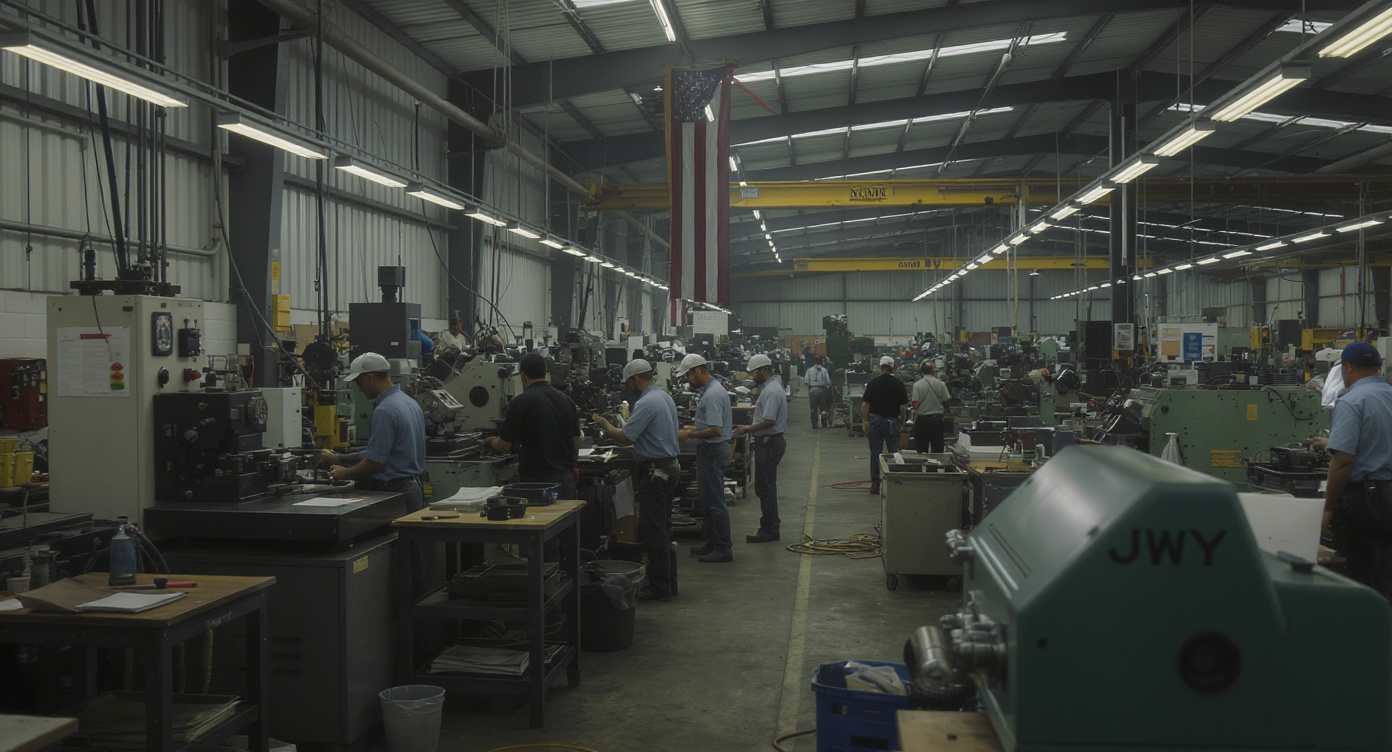
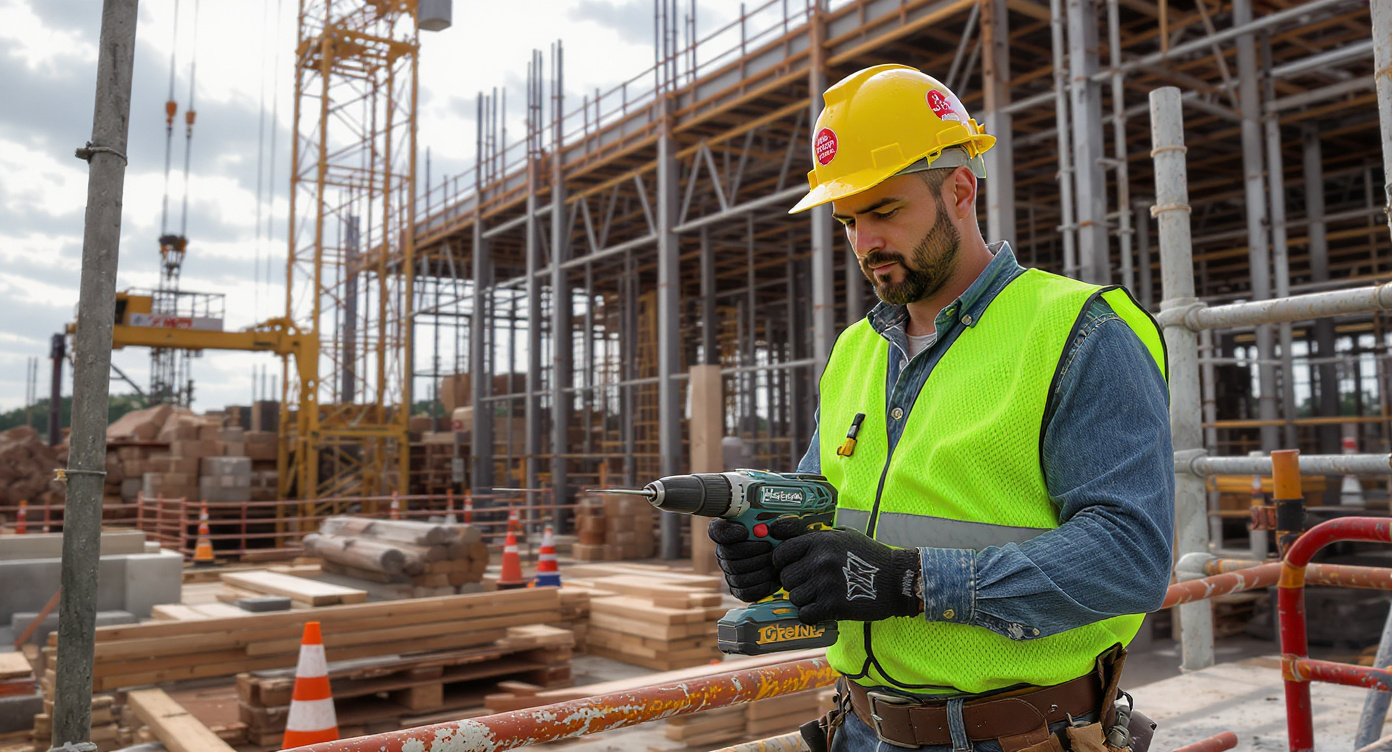
In 2026, the number of layoffs in the technology sector has already surpassed last year's figures, driven by investments in artificial intelligence and workforce optimization. Despite these reductions, companies actively adopting AI continue to hire new employees, while the long-term effects of automation remain a topic of ongoing discussion.
Representatives of the Federal Reserve note a high level of consensus on current policy and stability in the U.S. labor market. Long-term inflation expectations remain steady, and productivity growth could accelerate thanks to advances in artificial intelligence.
The yield on U.S. Treasury bonds rose after the release of data showing a significant increase in job creation. This development has dampened expectations for an imminent interest rate cut by the Federal Reserve.
In March, the unemployment rate in Ireland rose to 4.7%, slightly higher than the figures for February and last year. Despite this moderate increase, the labor market remains relatively stable.
The US economy is showing signs of improvement and stability in the labor market, despite persistently high inflation. The Federal Reserve is maintaining a neutral policy stance and is open to a prolonged pause in changing interest rates.
US Treasury Secretary Scott Bessent anticipates improvements in the labor market and a possible increase in demand for workers, driven by investments in AI and the activities of staffing agencies. He also emphasized the importance of financial system stability and the positive impact of private lending on the economy.
Federal Reserve Vice Chair Michelle Bowman expressed concern that recent U.S. employment data diverges from other economic indicators, which do not reflect the same strength in the labor market.


 Crius
Crius