ECB Governing Council member Joachim Nagel expressed support for the bank’s current strategy and noted readiness to raise rates if necessary. He emphasized that persistent inflation and ongoing geopolitical tensions require a cautious approach.
Representatives of the Federal Reserve note a high level of consensus on current policy and stability in the U.S. labor market. Long-term inflation expectations remain steady, and productivity growth could accelerate thanks to advances in artificial intelligence.
The Bank of Thailand has kept its key interest rate at 1.00%, despite ongoing economic challenges and low inflationary pressure, in line with analysts' expectations.
The Central Bank of Pakistan has raised its key interest rate by 1 percentage point to 11.5% as part of measures to adjust monetary policy and curb inflation.
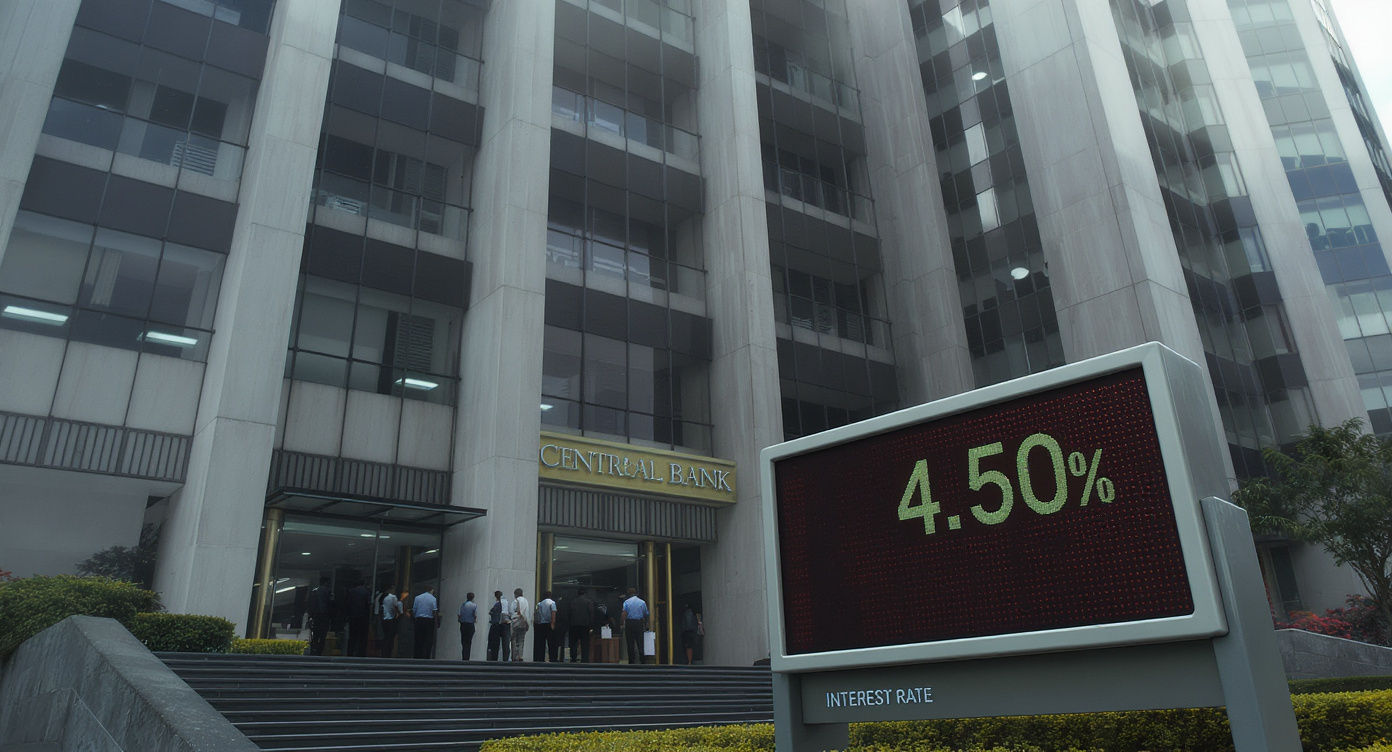
The Central Bank of the Philippines has raised its key interest rate by 0.25%, bringing it to 4.5%, in an effort to curb rising inflation despite concerns about slowing economic growth. The decision came as a surprise to some analysts.
The Bank of Canada warns of the need to adapt to structural changes in the economy related to trade barriers, immigration policy, and the adoption of artificial intelligence. Authorities are preparing to adjust their approaches to enhance the resilience of the economy.
Traders are actively pricing in three ECB rate hikes this year amid inflation concerns. The probability of the first increase as early as next month is now estimated at 75%.
The Central Bank of Uzbekistan has kept its key interest rate at 14%, while adopting a more hawkish tone due to persistent inflationary pressures and rising external risks. The institution does not rule out the possibility of further tightening its policy.
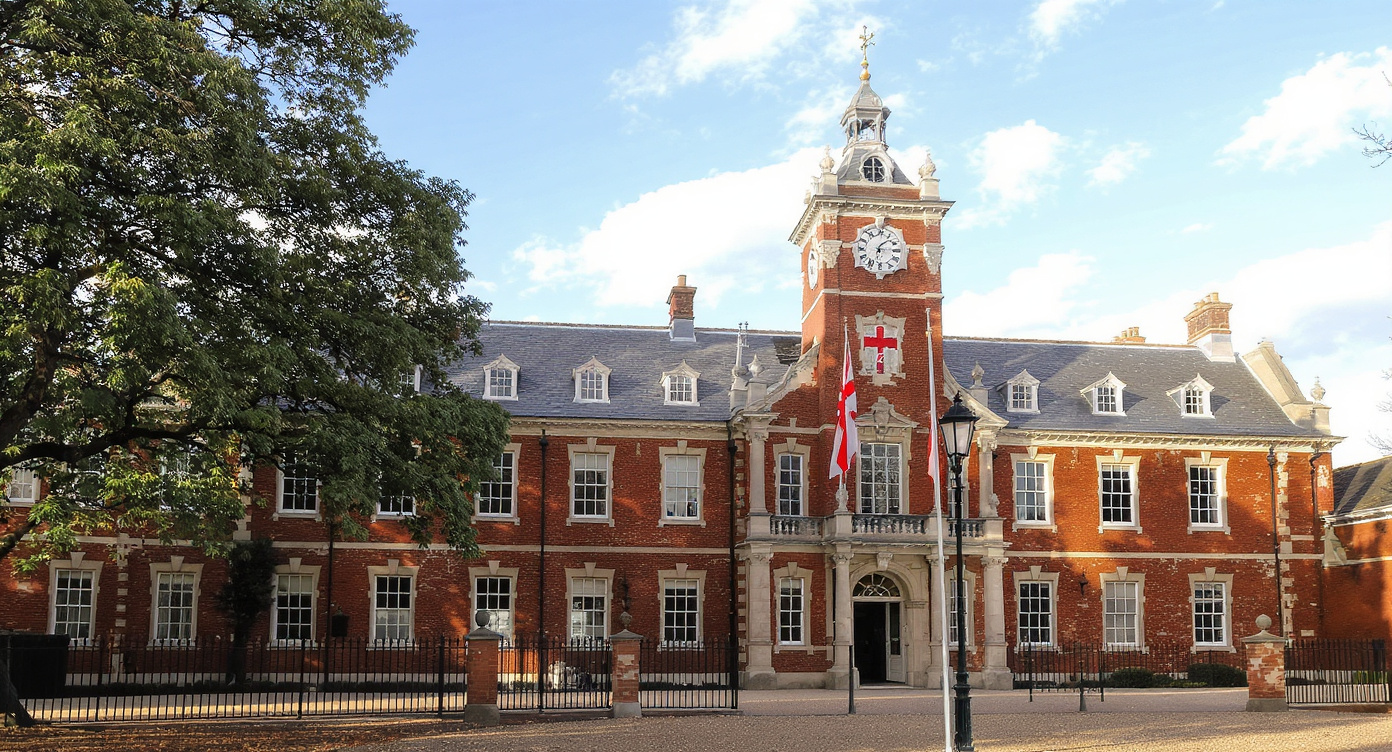
A member of the Bank of England's Monetary Policy Committee stated that the bank will likely soon stop facing a trade-off between slowing growth and inflation. Economic indicators are weakening, inflation and wage growth are below expectations, and unemployment is higher than forecasted.
President of the Federal Reserve Bank of St. Louis, Alberto Musalem, stated that the current monetary policy is balanced and aligns with the economic situation. In his opinion, replacing tariffs on an equivalent basis will not have a significant impact on the economy.
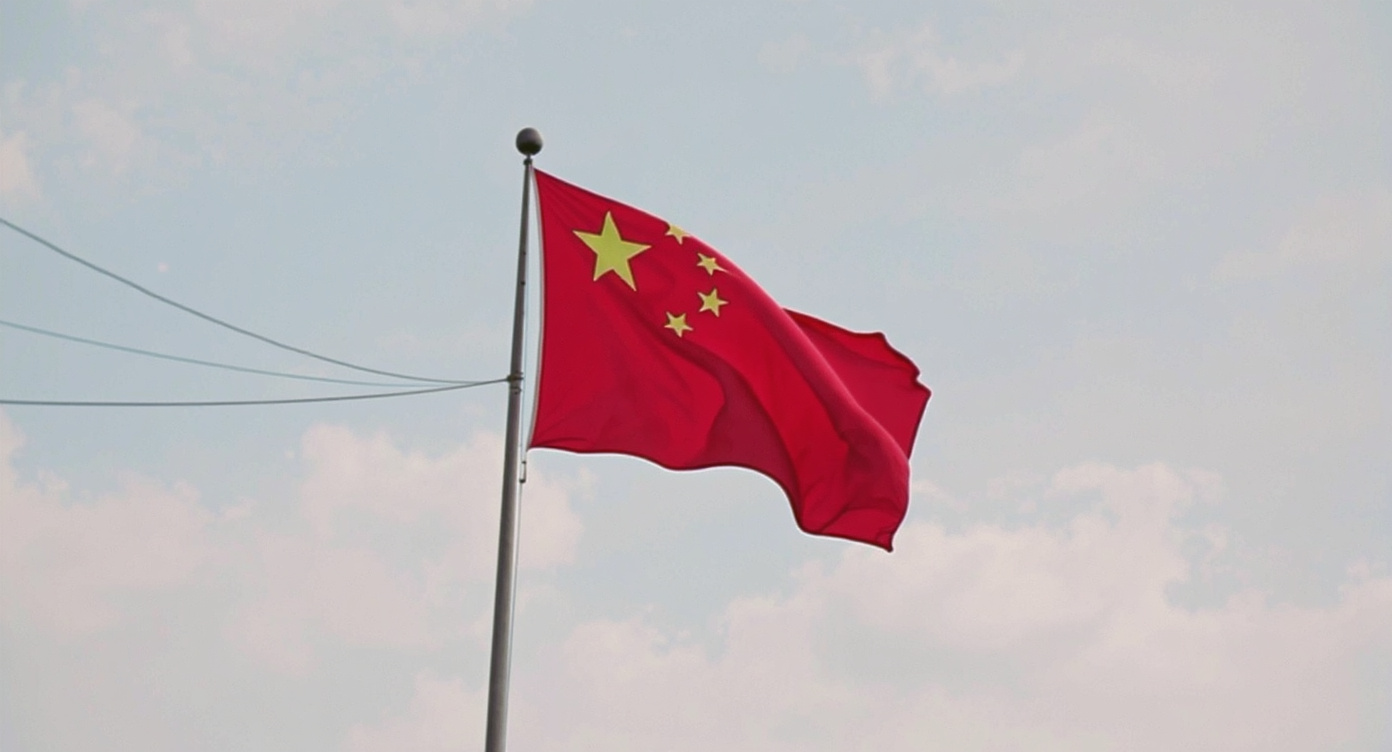
China plans to maintain economic stability in 2026 through flexible monetary policy and proactive fiscal measures, with a particular focus on the domestic market, employment, and reducing debt risks. The authorities also intend to stabilize the real estate market and address demographic challenges.
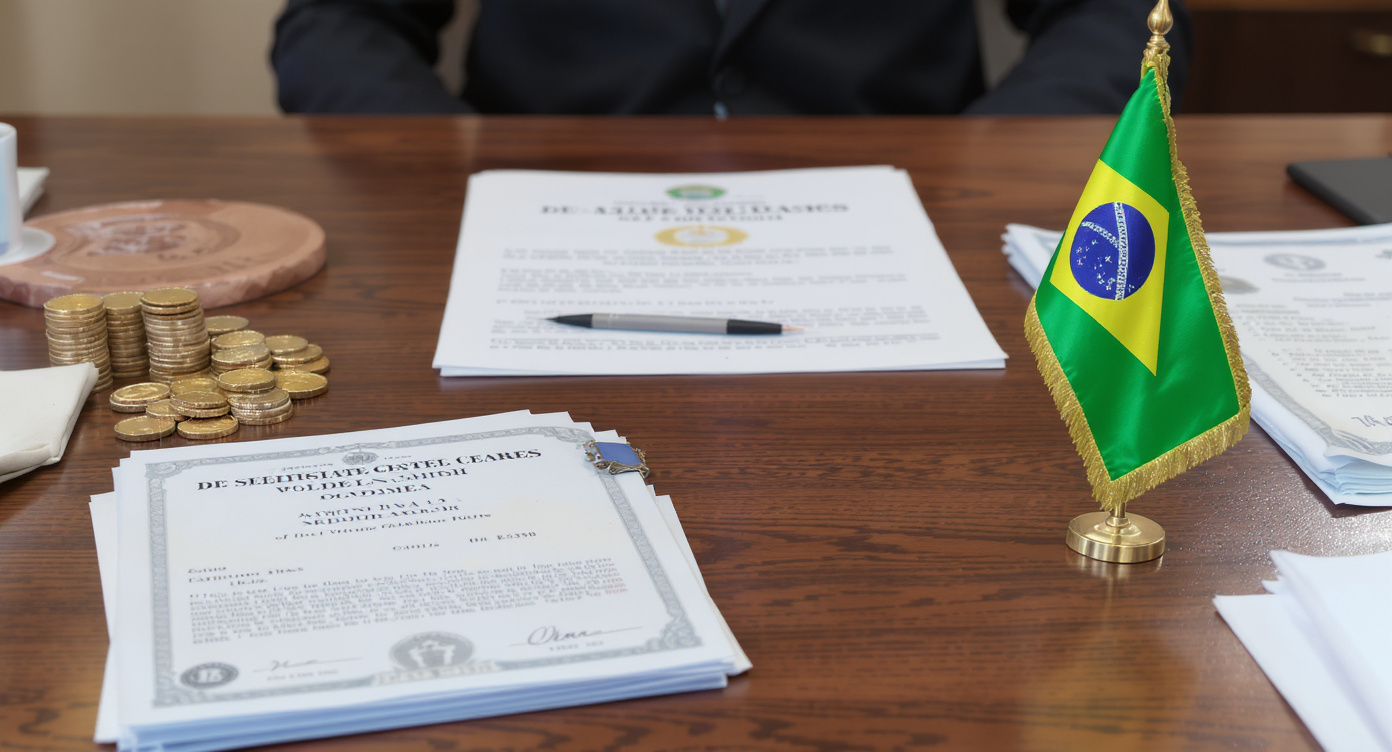
Brazil's Deputy Finance Minister Dario Durigan emphasized the need to coordinate fiscal and monetary policies amid high interest rates and rising public debt. He expressed confidence that the country's revenues would recover by 2026 and highlighted the importance of finding a balance between social spending and fiscal discipline.
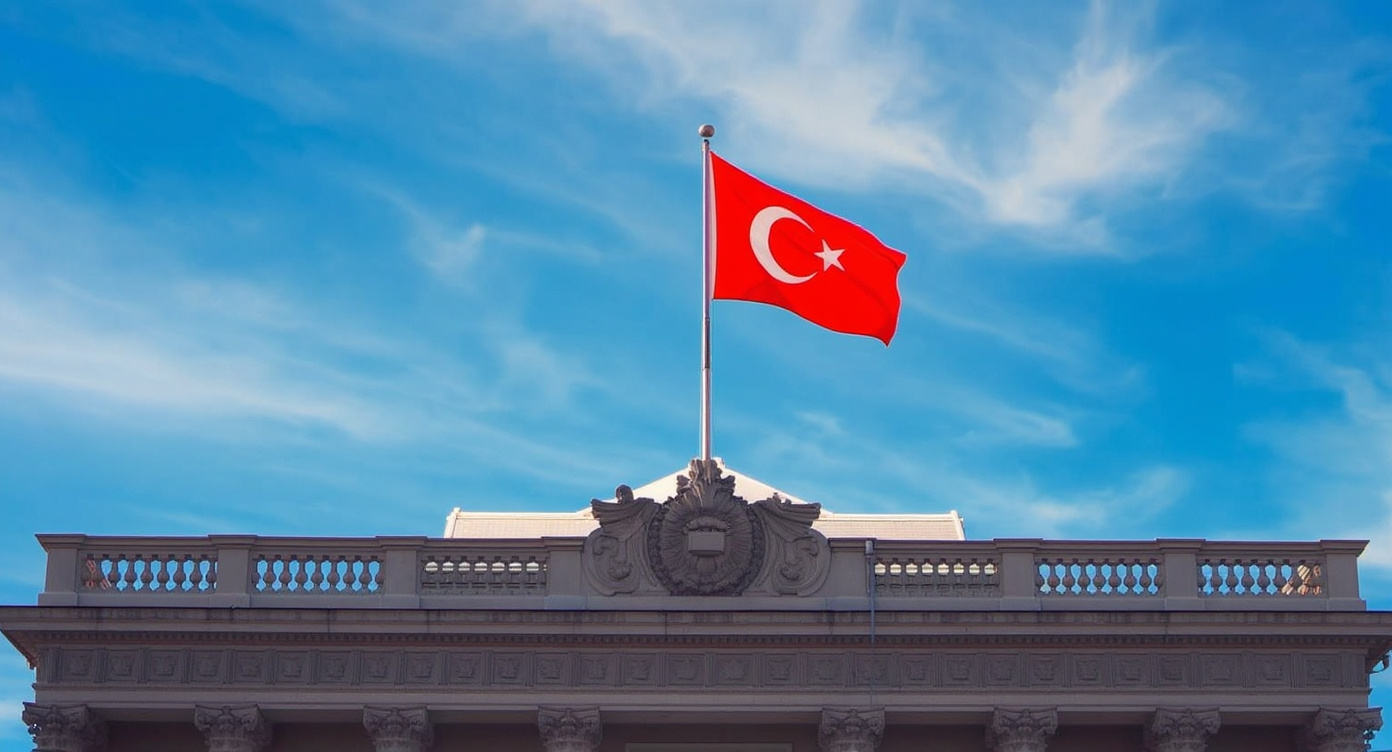
The Central Bank of Turkey has lowered its weekly repo rate for the fourth consecutive time, responding to a slowdown in inflation and an unexpected drop in food prices. However, inflation still remains above the government's target level.


 Ratio
Ratio