In 2026, Hungary's primary budget deficit is expected to increase compared to 2025, highlighting the importance of keeping the deficit under control. The central bank is maintaining its rate to contain inflationary risks.
The Bank of Thailand has kept its key interest rate at 1.00%, despite ongoing economic challenges and low inflationary pressure, in line with analysts' expectations.
Average mortgage rates have risen slightly over the past week, but remain lower compared to last year. The number of applications to purchase homes has increased by more than 20%, thanks to moderate rate reductions and a growing supply of properties.
The Central Bank of Pakistan has raised its key interest rate by 1 percentage point to 11.5% as part of measures to adjust monetary policy and curb inflation.
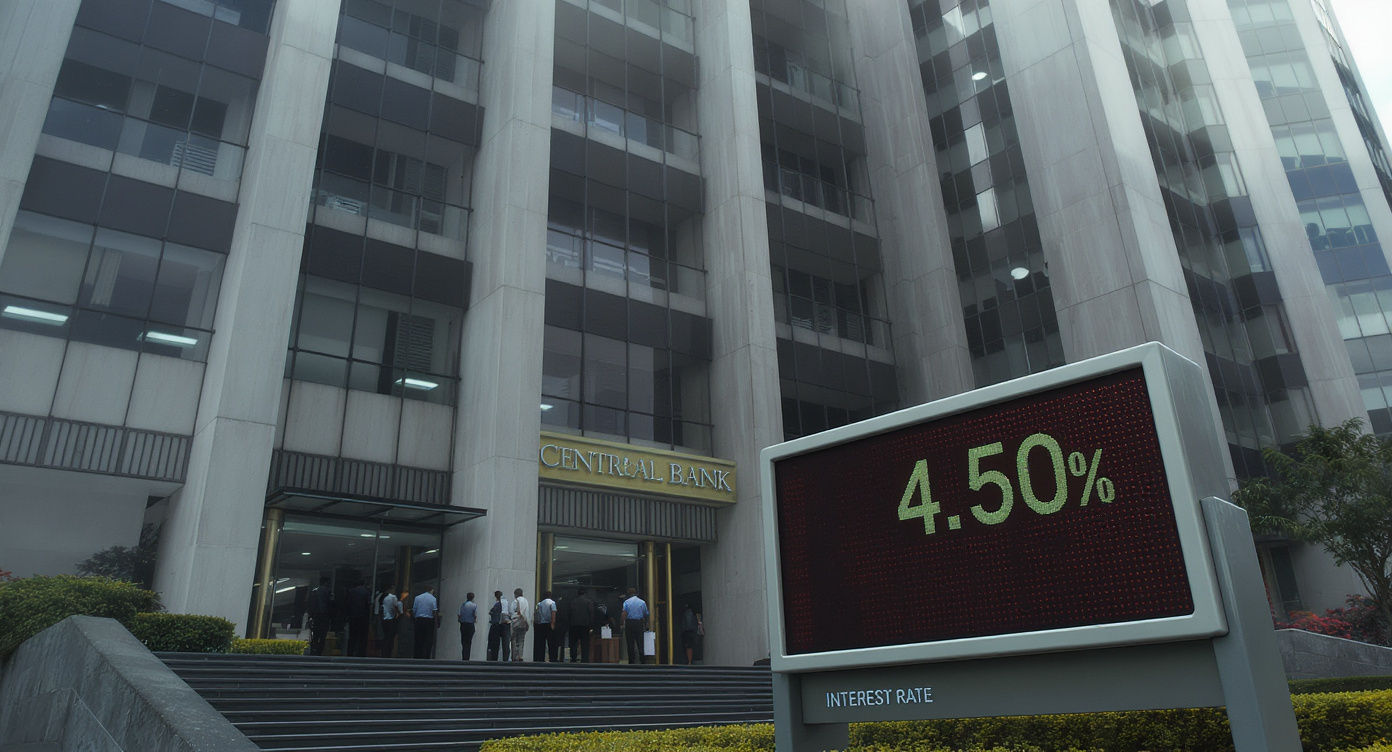
The Central Bank of the Philippines has raised its key interest rate by 0.25%, bringing it to 4.5%, in an effort to curb rising inflation despite concerns about slowing economic growth. The decision came as a surprise to some analysts.
The Czech National Bank has kept its key interest rate at 3.50%, emphasizing the importance of a tight monetary policy and its intention to closely monitor the economic situation before making further decisions.
A member of the Bank of England's Monetary Policy Committee stated that the bank will likely soon stop facing a trade-off between slowing growth and inflation. Economic indicators are weakening, inflation and wage growth are below expectations, and unemployment is higher than forecasted.
This year, Sweden is expected to see a significant decrease in inflation, aided by a temporary reduction in VAT on food products. Overall, economic indicators are in line with expectations, despite ongoing geopolitical uncertainty.
The Bank of Ghana has lowered its key interest rate for the third consecutive time, this time by 350 basis points—exceeding analysts' expectations. The central bank also indicated that further significant rate cuts may be possible in the future.


 Ratio
Ratio