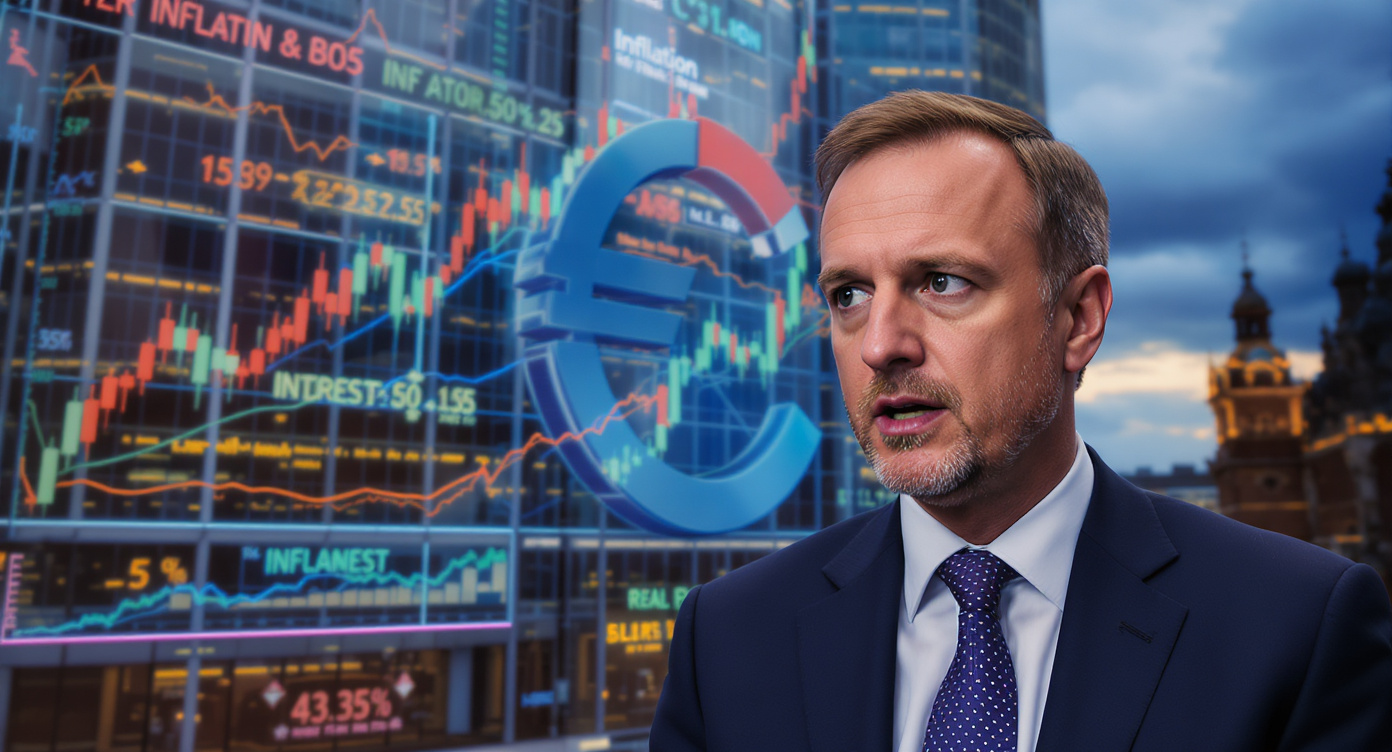
European economic officials have, for the first time, publicly acknowledged the risk of stagflation due to rising energy prices and a slowdown in GDP growth. The full extent of the damage will become clear in the coming weeks.
ECB Governing Council member Joachim Nagel expressed support for the bank’s current strategy and noted readiness to raise rates if necessary. He emphasized that persistent inflation and ongoing geopolitical tensions require a cautious approach.
The European Central Bank will closely monitor companies' expectations regarding price and wage growth amid concerns about accelerating inflation. Analyzing these indicators will help assess the economic situation in the eurozone.
German Finance Minister stated that discussions about a possible extension of ECB President Christine Lagarde's term are still at a preliminary stage. Germany intends to play an active role in selecting her successor.
In 2027, the ECB's Executive Board is expected to undergo significant turnover: three out of six leadership positions will become vacant, which could result in the simultaneous appointment of new members.
The head of Croatia's Central Bank, Boris Vujčić, stated that excessive intervention by the ECB in monetary policy could increase market volatility, and that it is impossible to keep inflation at the target level permanently.

 Ratio
Ratio