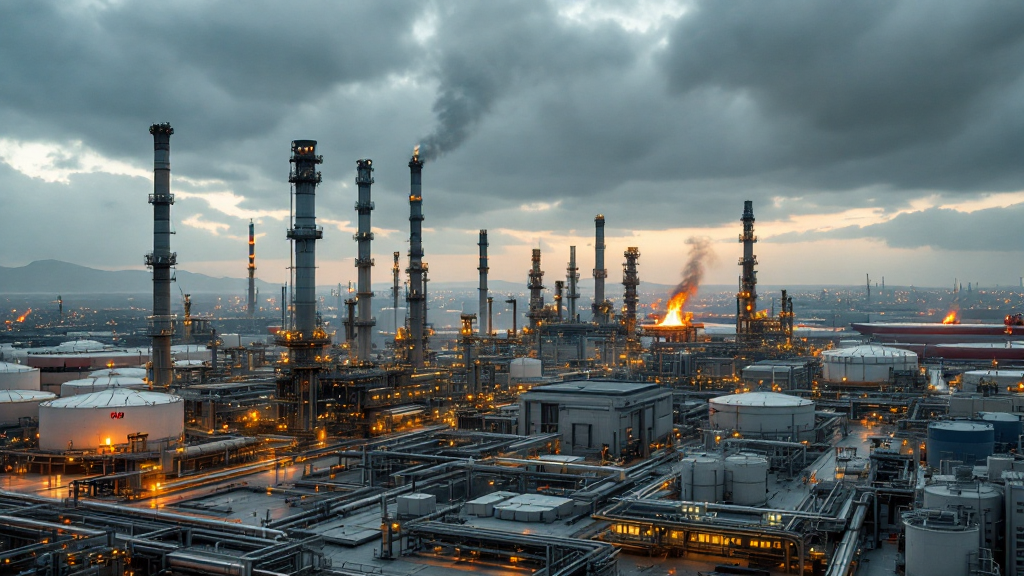
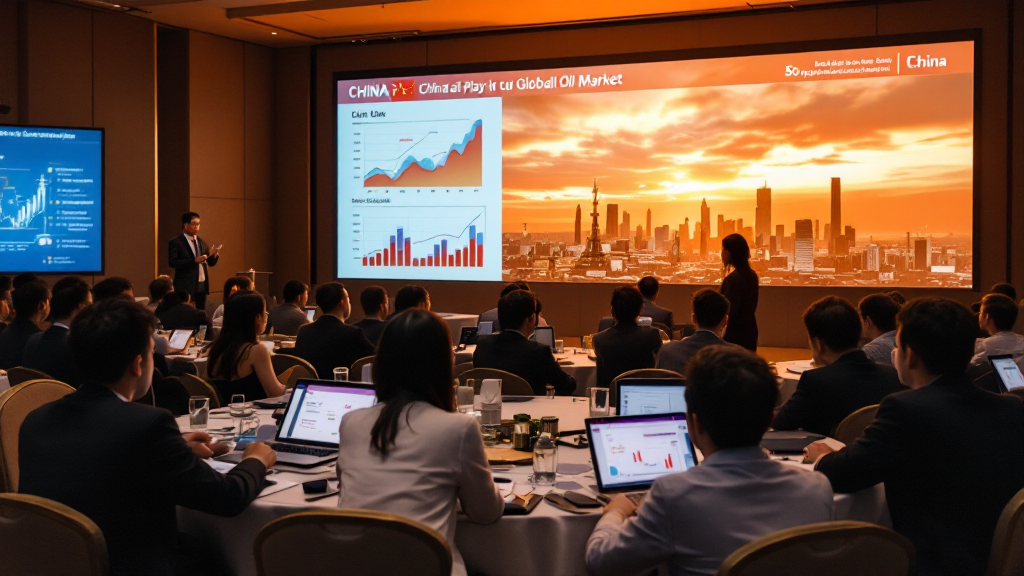
China's reduction in oil imports and its substantial reserves are having a noticeable impact on the global oil market, helping to stabilize prices amid geopolitical conflicts. The country's changing demand structure is strengthening China's role in managing the global balance.
Seven OPEC+ countries have decided to keep oil production levels unchanged for October amid ongoing geopolitical tensions and challenges in the Persian Gulf region. Against this backdrop, global oil prices continue to rise.
Cathay Cargo's freight volume increased by 9% in the first half of the year, driven by an improving Chinese economy and rising demand in international markets, despite external challenges and new tariffs.
Airfare rates are declining despite rising fuel prices and shifting demand on certain routes. The market is showing resilience, and operators are flexibly reallocating capacity in response to new challenges.
In the second quarter, Nabors Industries increased its drilling activity, but overall revenue declined due to lower earnings in the digital and automation segments. Despite the growth in the number of rigs, the company's shares fell by 3.8%.
Despite restrictions and ongoing instability in the Middle East, container ships continue to pass through the Red Sea, and demand for charter vessels remains high. Carriers are seeking alternative routes to keep trade flowing in the region.
Despite a significant drop in profits due to the conflict in the Middle East, Saipem has maintained its revenue forecast for 2026 and continues to secure new major contracts.
Despite supply disruptions and geopolitical instability, global demand for liquefied natural gas remains strong, driven by the growth of data centers and the advancement of AI. Baker Hughes has exceeded expectations in both revenue and profit, and the long-term outlook for the LNG market remains positive.
American company Baker Hughes has raised its forecast for orders in the energy technology segment to more than $45 billion for 2026–2028, following a successful second quarter. The company notes an increase in profits, an expanded contract portfolio, and active growth in key business areas.
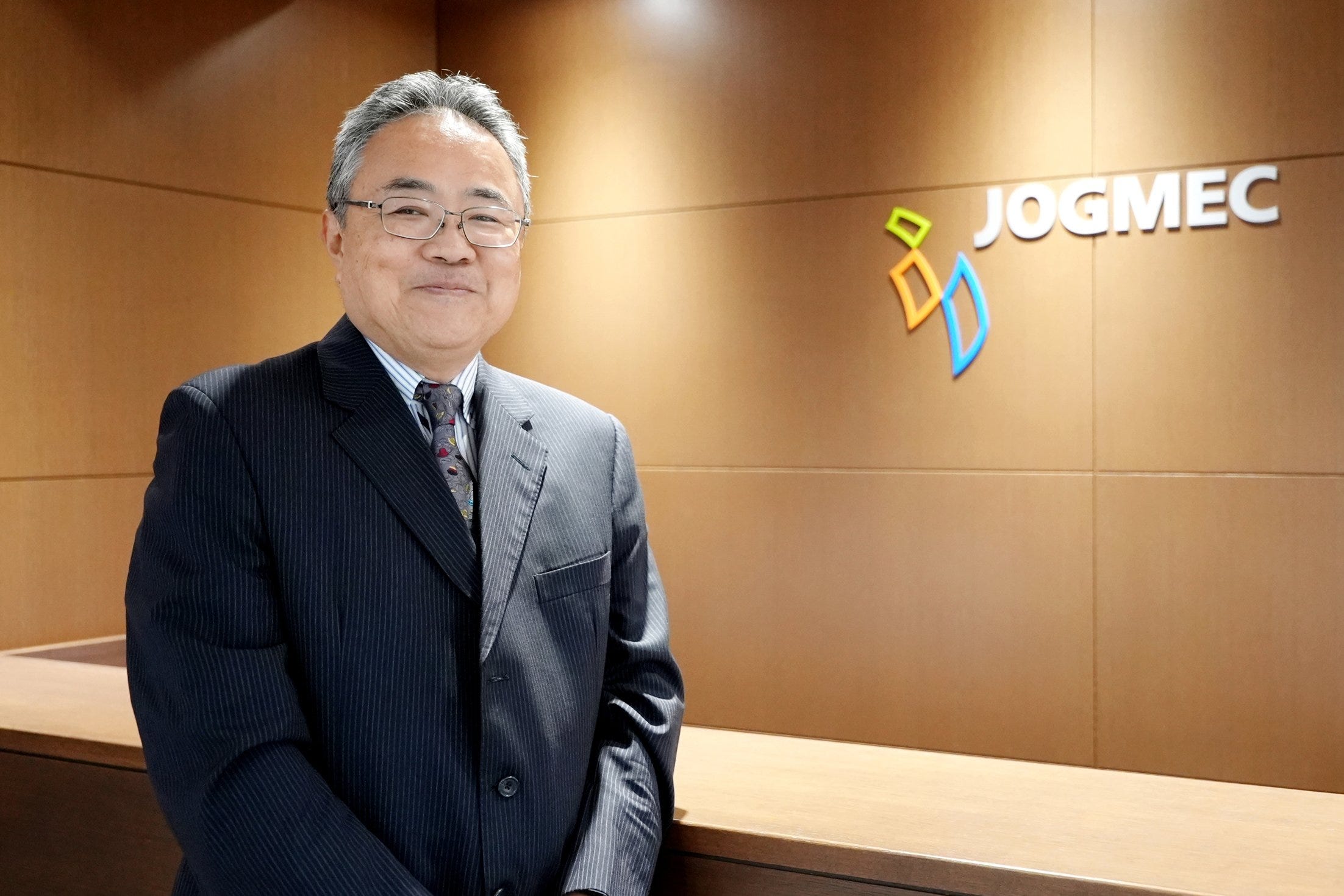
Against the backdrop of instability in Asia's energy sector, Japan is strengthening international cooperation and investment through the Jogmec agency to ensure stable energy supplies and to promote the development of alternative energy sources.
SLB increased its revenue by 5% in the second quarter to $9 billion, driven by growth in offshore operations, despite a decline in profits and a slowdown in activity in the Middle East due to the conflict. The company's financial results exceeded analysts' expectations.
SLB increased its revenue in the second quarter amid growing offshore activity, despite a decline in profits. The company's financial results exceeded expectations, leading to a rise in its share price.
Japan is strengthening its position in the Asian liquefied natural gas market by diversifying supply sources and expanding regional cooperation. Despite geopolitical instability, the country continues to play a leading role in ensuring the region's energy security.
TotalEnergies reported steady profit growth in the second quarter, driven by rising global oil prices and strong refining results, despite a decline in production due to conflicts in the Middle East.
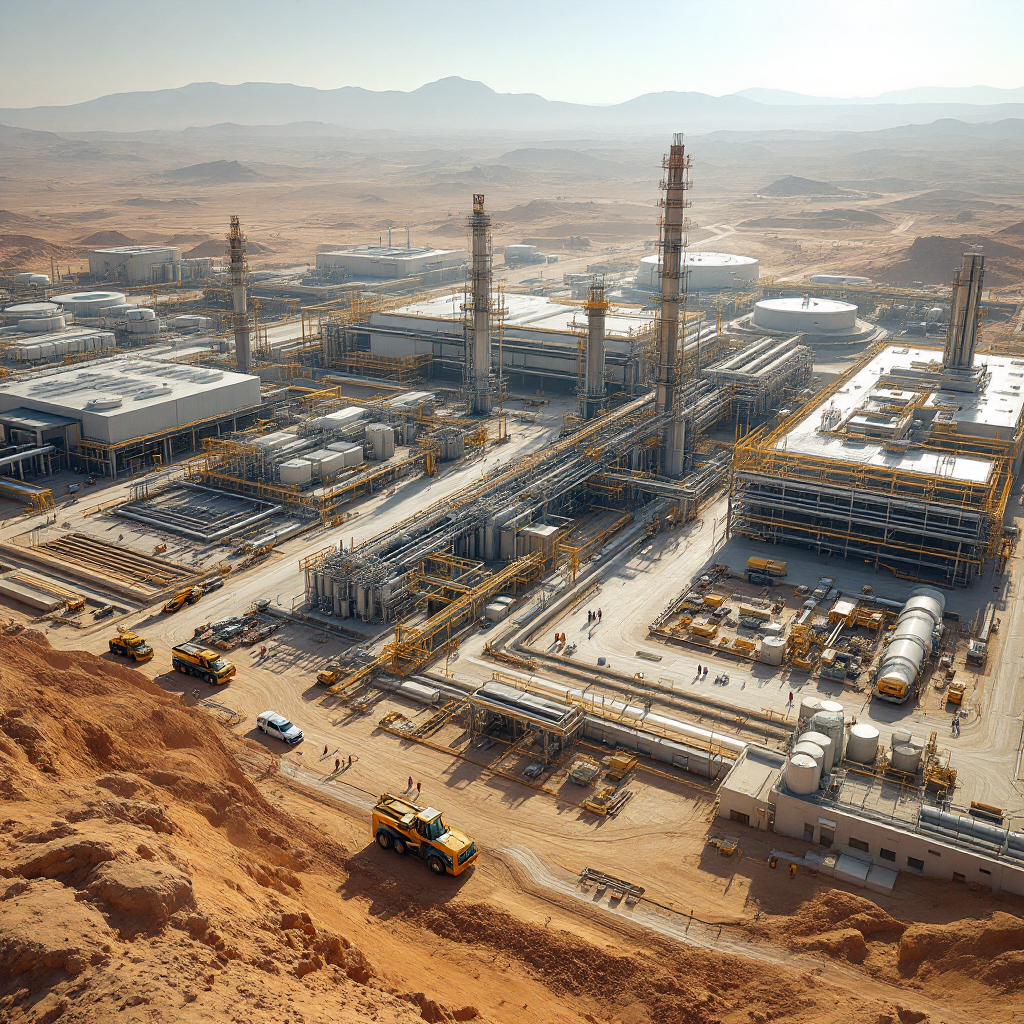
Four international contracting companies are competing for a multibillion-dollar contract to develop the Jafurah gas project in Saudi Arabia. This is the largest shale gas extraction project outside the United States and plays a key role in Saudi Aramco's plans to increase gas production by 2030.

 Petrus