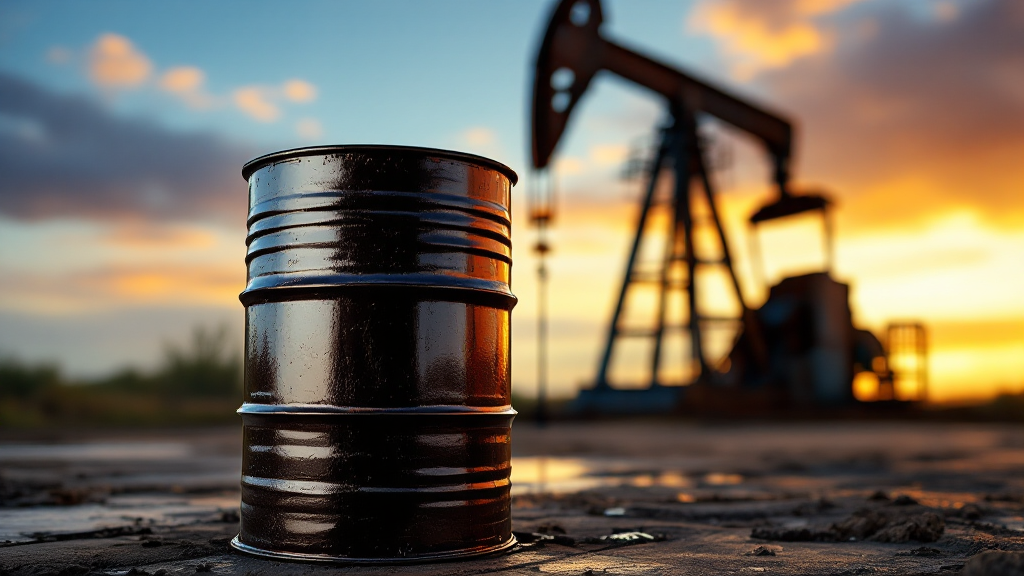
Seven OPEC+ countries have decided to keep oil production levels unchanged for October amid ongoing geopolitical tensions and challenges in the Persian Gulf region. Against this backdrop, global oil prices continue to rise.
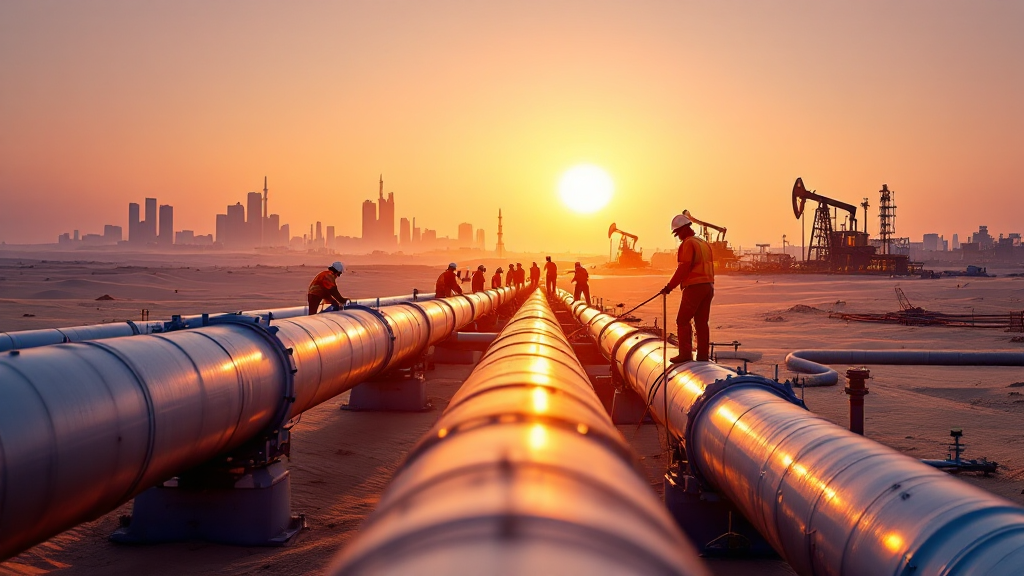
The article examines the logistical and strategic challenges of creating new oil and gas export routes that bypass the Strait of Hormuz, as well as their impact on energy markets and supply stability. It analyzes the prospects of major infrastructure projects, alternative export pathways, and the associated risks for India and the countries of the Persian Gulf.
Oil prices have dropped significantly following the temporary halt in military actions between the US and Iran, raising hopes for a de-escalation of the conflict. However, risks of supply disruptions and market uncertainty remain.
Kuwait Petroleum Corporation has signed a $16 billion lease-and-lease-back deal with international investors to develop its oil pipeline network and boost oil production. This is one of the largest foreign investments in the region following recent tensions, underscoring Kuwait's continued appeal to global capital.
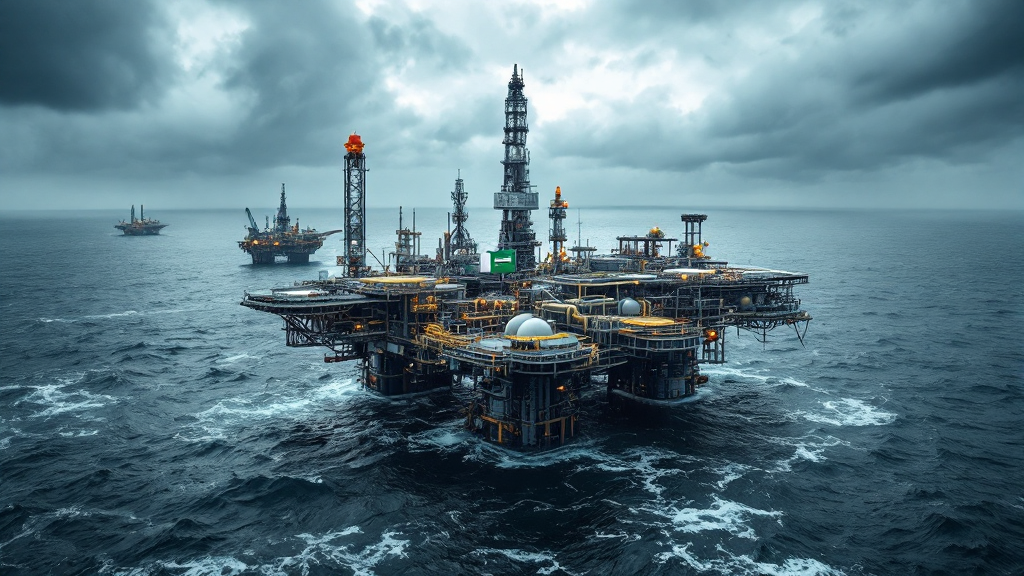
Leading contractors have been invited to submit updated bids for the key project management contract for the Dorra gas field, despite the ongoing dispute with Iran. The results of the tender are expected later this year.
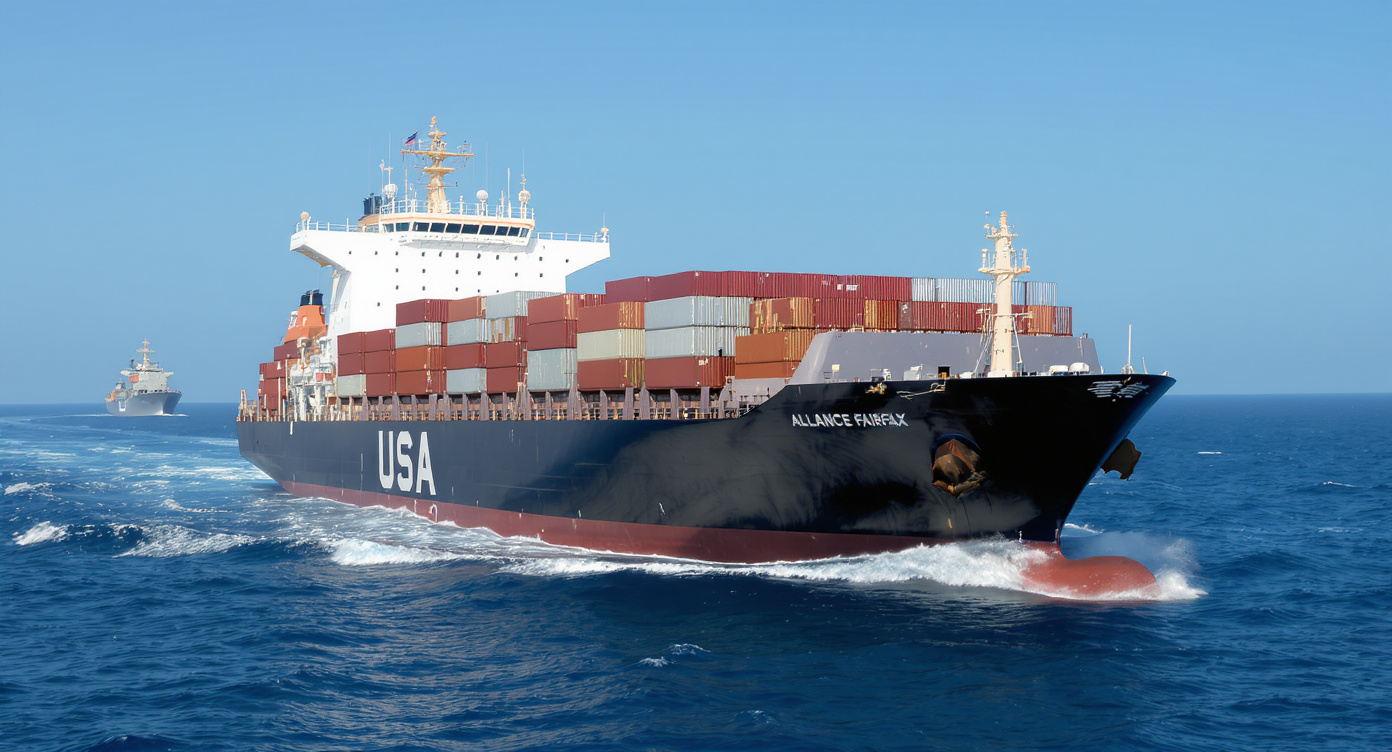
The commercial vessel Alliance Fairfax, sailing under the US flag, passed through the Strait of Hormuz with support from the American military and was escorted out of the Persian Gulf under military protection. The ship is operated by Farrell Lines Inc., a subsidiary of Maersk Line Limited.


 Petrus