China's reduction in oil imports and its substantial reserves are having a noticeable impact on the global oil market, helping to stabilize prices amid geopolitical conflicts. The country's changing demand structure is strengthening China's role in managing the global balance.
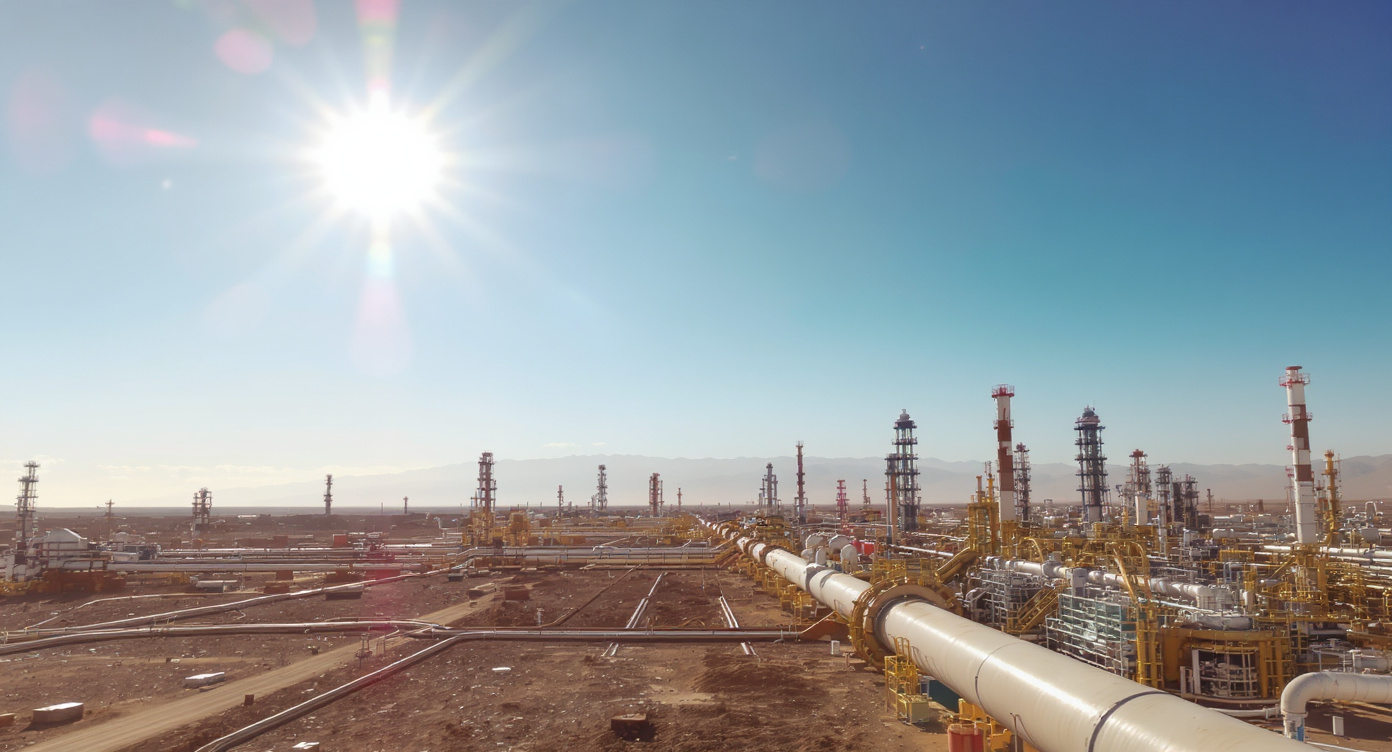
The article examines the logistical and strategic challenges of creating new oil and gas export routes that bypass the Strait of Hormuz, as well as their impact on energy markets and supply stability. It analyzes the prospects of major infrastructure projects, alternative export pathways, and the associated risks for India and the countries of the Persian Gulf.
The main peak of the container shipping season ended earlier than usual this year, due to external factors and changes in logistics. A possible second mini-peak is expected in the fourth quarter.
Oil prices have dropped significantly following the temporary halt in military actions between the US and Iran, raising hopes for a de-escalation of the conflict. However, risks of supply disruptions and market uncertainty remain.
DP World will build two new terminals on the eastern coast of the UAE, increasing the country's container capacity and enhancing the resilience of logistics outside the Strait of Hormuz. The project is planned as a 50-year concession and aims to develop modern port infrastructure.
Oil prices surged sharply after the US revoked permission for Iranian oil exports and reports emerged of attacks on tankers in the Strait of Hormuz. Brent futures jumped nearly 6%, surpassing $76 per barrel.
Oil prices dropped sharply following reports of a possible reopening of the Strait of Hormuz and the continuation of the truce between Israel and Iran. Experts predict that high prices will persist until full energy traffic is restored, which could take several months.
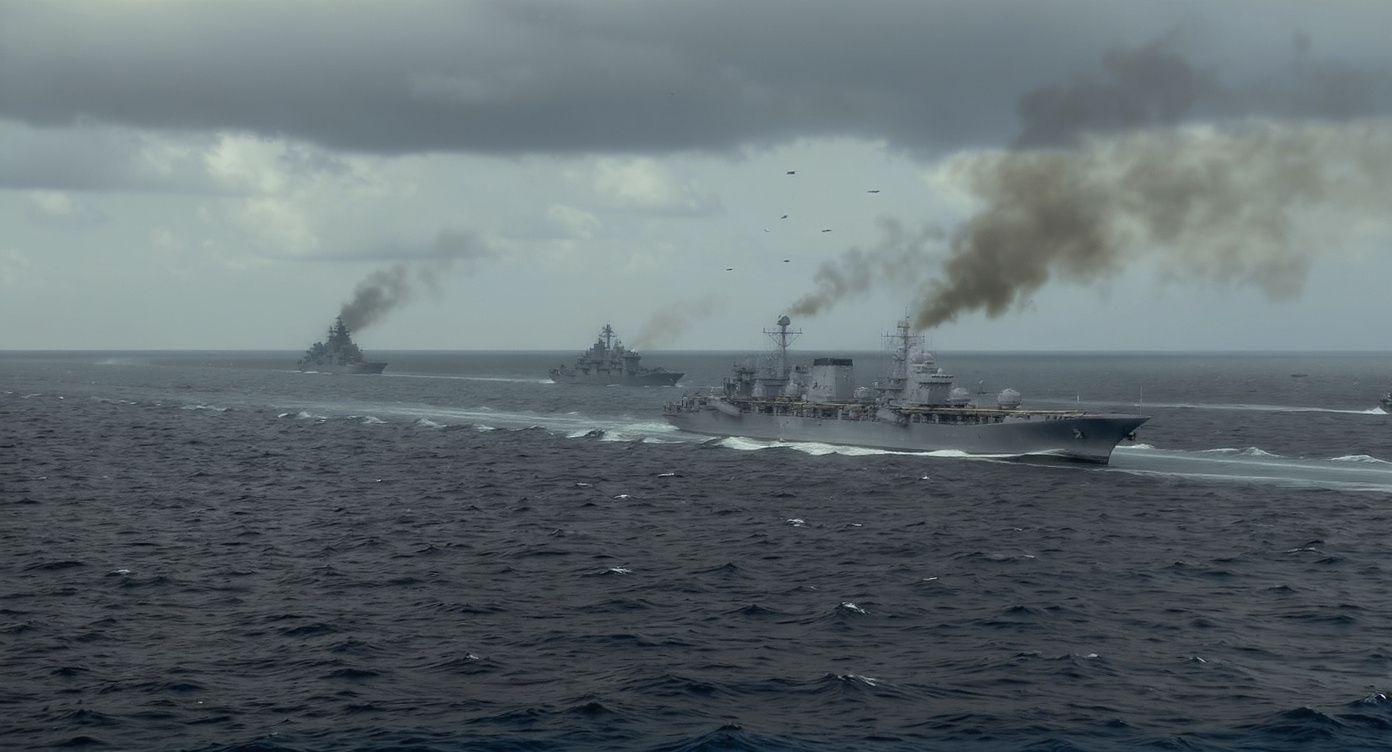
During a visit to France and the United Kingdom, the creation of an international mission was announced to restore navigation and de-escalate tensions in the Strait of Hormuz. Iran opposed the intervention, emphasizing its right to ensure the security of the region.
Oil prices in the US and Europe fell by 6% over the week amid expectations of a resolution to the conflict with Iran, despite ongoing tensions in the region. Analysts predict that high prices will persist until the end of the year due to shrinking reserves and steady demand.
Saudi Aramco increased its net profit by 25% in the first quarter of 2026, despite disruptions in the Strait of Hormuz, thanks to rising oil prices and the full utilization of the East-West pipeline.
A tanker carrying Qatari LNG has passed through the Strait of Hormuz for the first time since the start of hostilities, a move linked to negotiations over additional gas supplies for Pakistan. It remains unclear whether more shipments will follow, given rising prices and the search for alternative sources in Asia.
Exports of petroleum products from the United States have reached record levels amid rising global demand and disruptions in traditional supply routes. The US has strengthened its position as a key fuel supplier, including diesel and jet fuel.
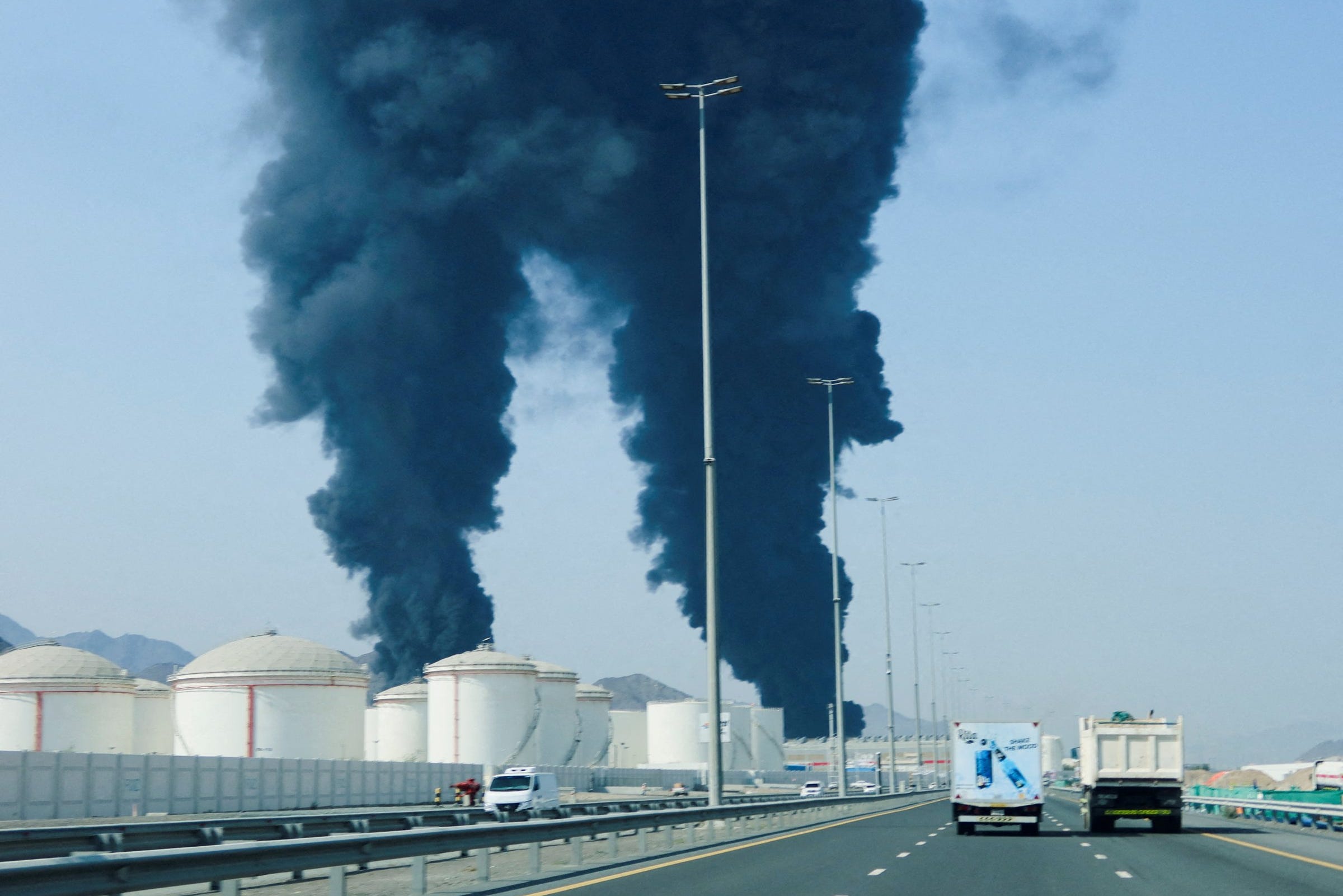
As a result of a strike by an Iranian drone on the Fujairah oil refining area, a major fire broke out and three people were injured. The incident affected oil exports from the UAE and worsened supply disruptions.
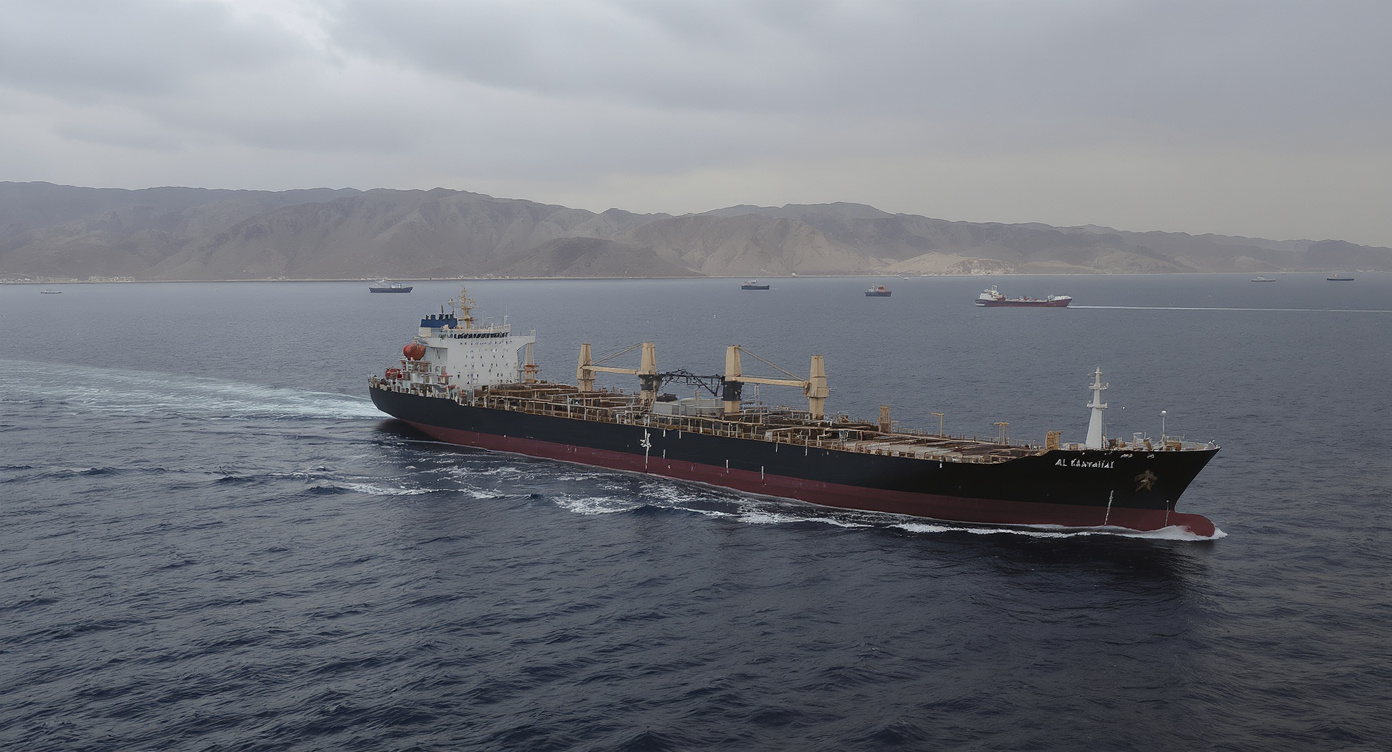
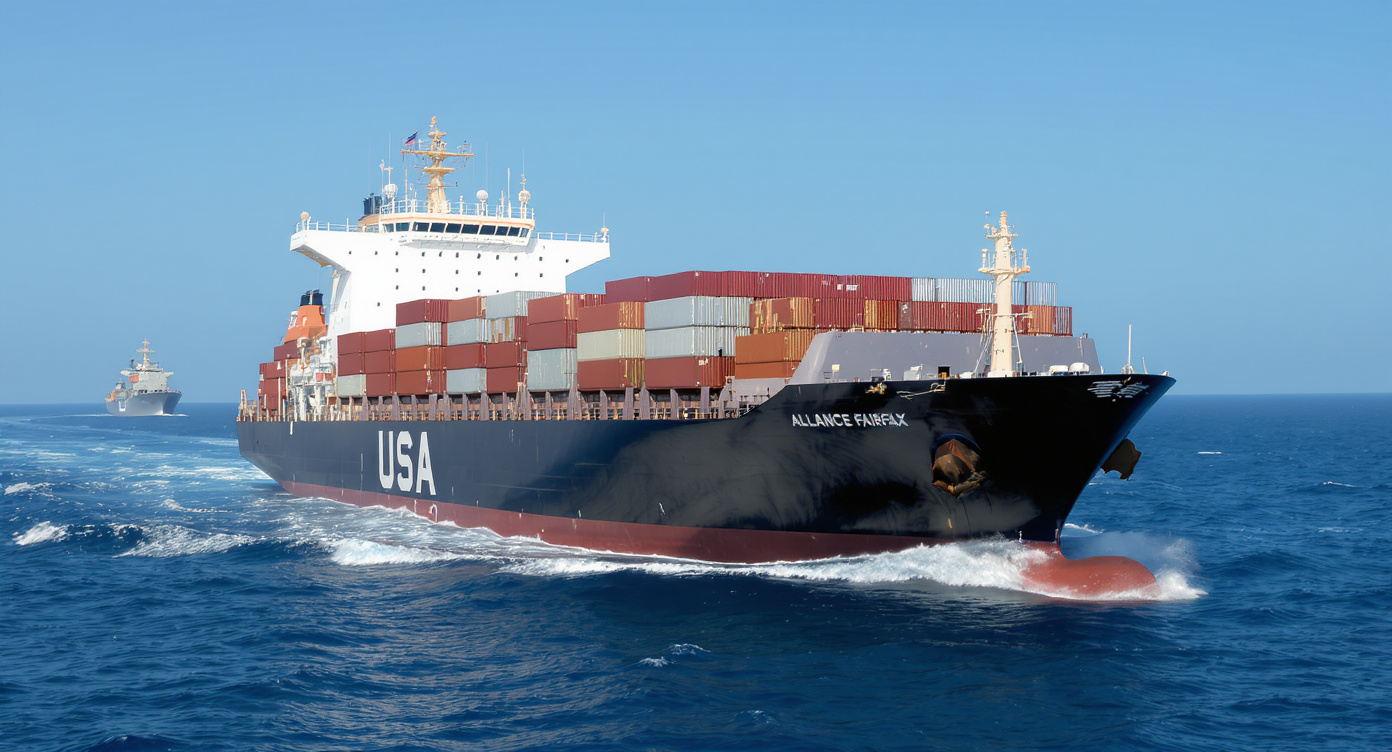
The commercial vessel Alliance Fairfax, sailing under the US flag, passed through the Strait of Hormuz with support from the American military and was escorted out of the Persian Gulf under military protection. The ship is operated by Farrell Lines Inc., a subsidiary of Maersk Line Limited.


 Petrus