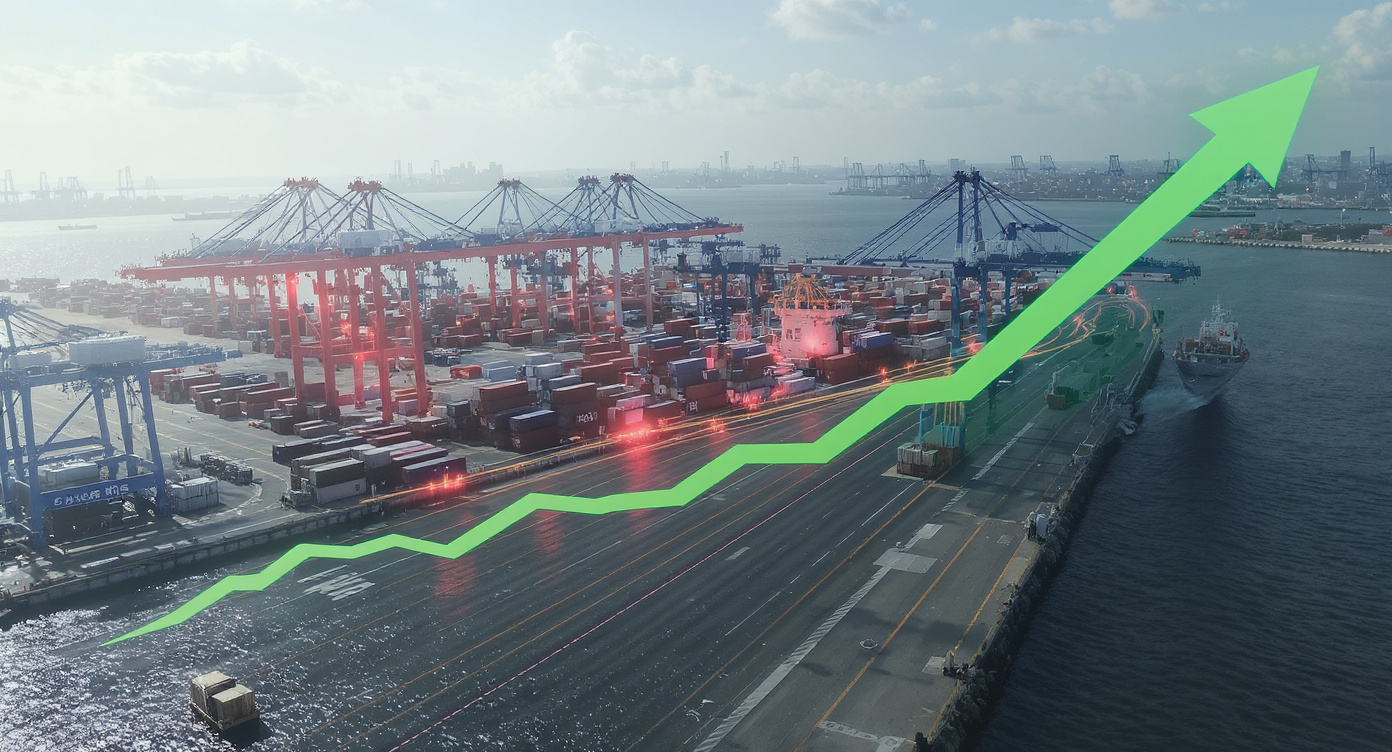
China's reduction in oil imports and its substantial reserves are having a noticeable impact on the global oil market, helping to stabilize prices amid geopolitical conflicts. The country's changing demand structure is strengthening China's role in managing the global balance.
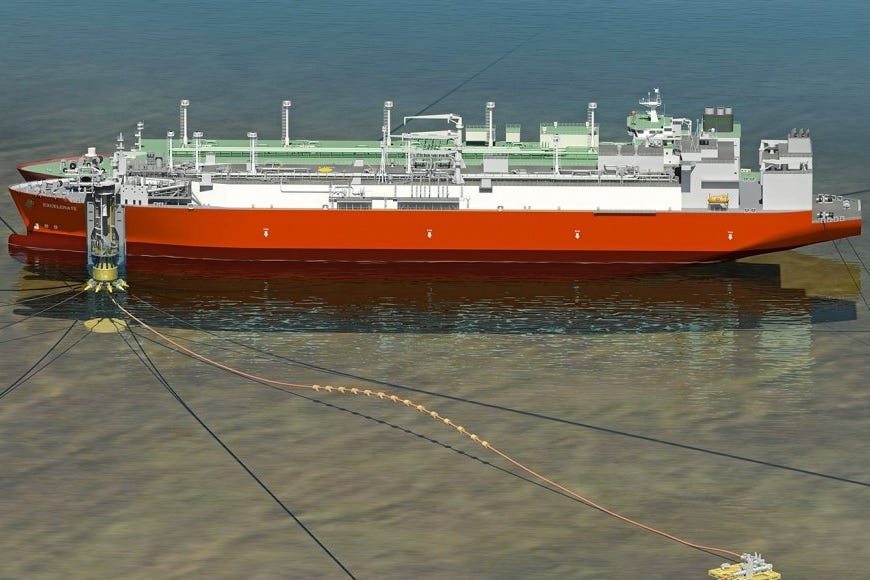
The government of Bangladesh is accelerating the launch of a new floating LNG terminal to address the acute gas shortage following an incident at an existing facility. The project is expected to enhance the country's energy resilience and reduce the risk of supply disruptions.
Japan is strengthening its position in the Asian liquefied natural gas market by diversifying supply sources and expanding regional cooperation. Despite geopolitical instability, the country continues to play a leading role in ensuring the region's energy security.
Experts believe that the new tariffs on low-cost parcels in Europe will not lead to a sharp decline in online sales, as was the case in the United States. The market is already adapting to these changes, and demand for online shopping remains strong.
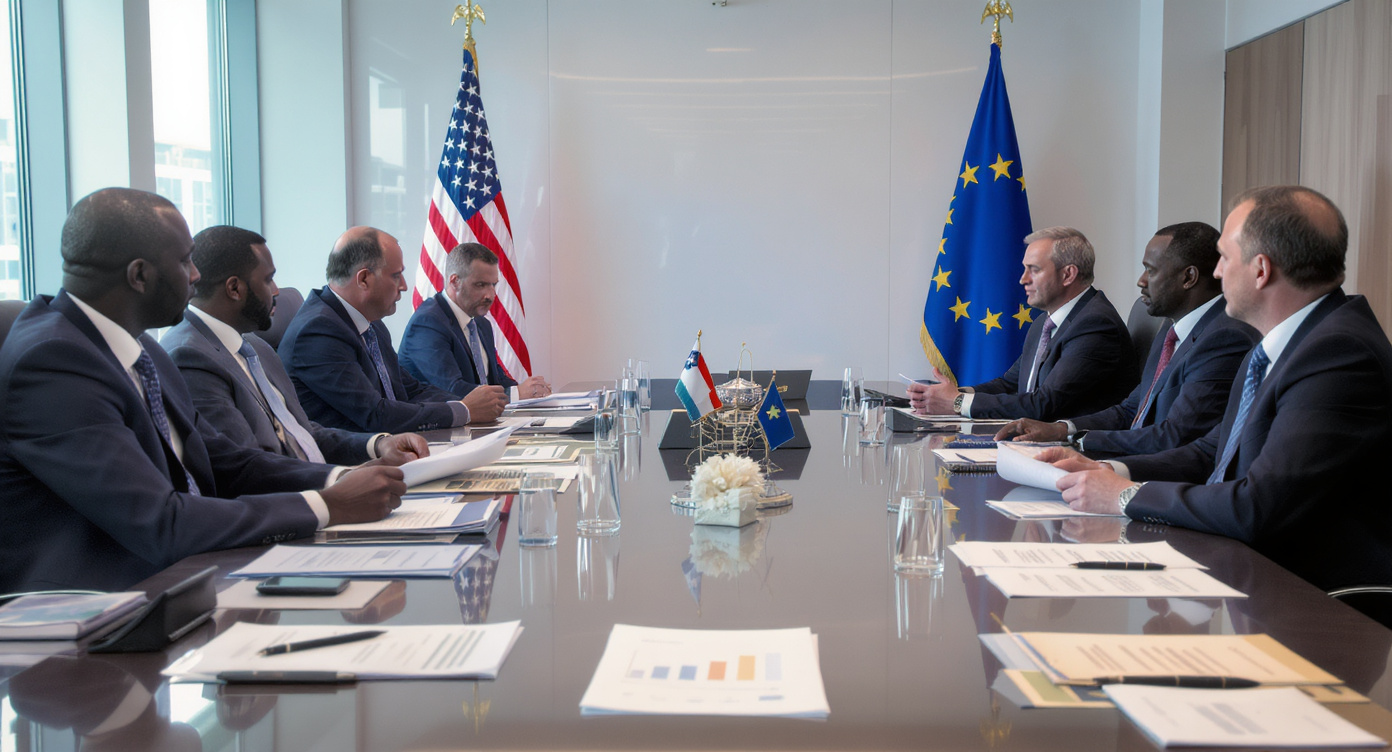
The United States plans to raise tariffs on car imports from the EU to 25%, accusing the European Union of violating a trade agreement. The European Commission rejects these accusations and is prepared to defend the interests of the EU.
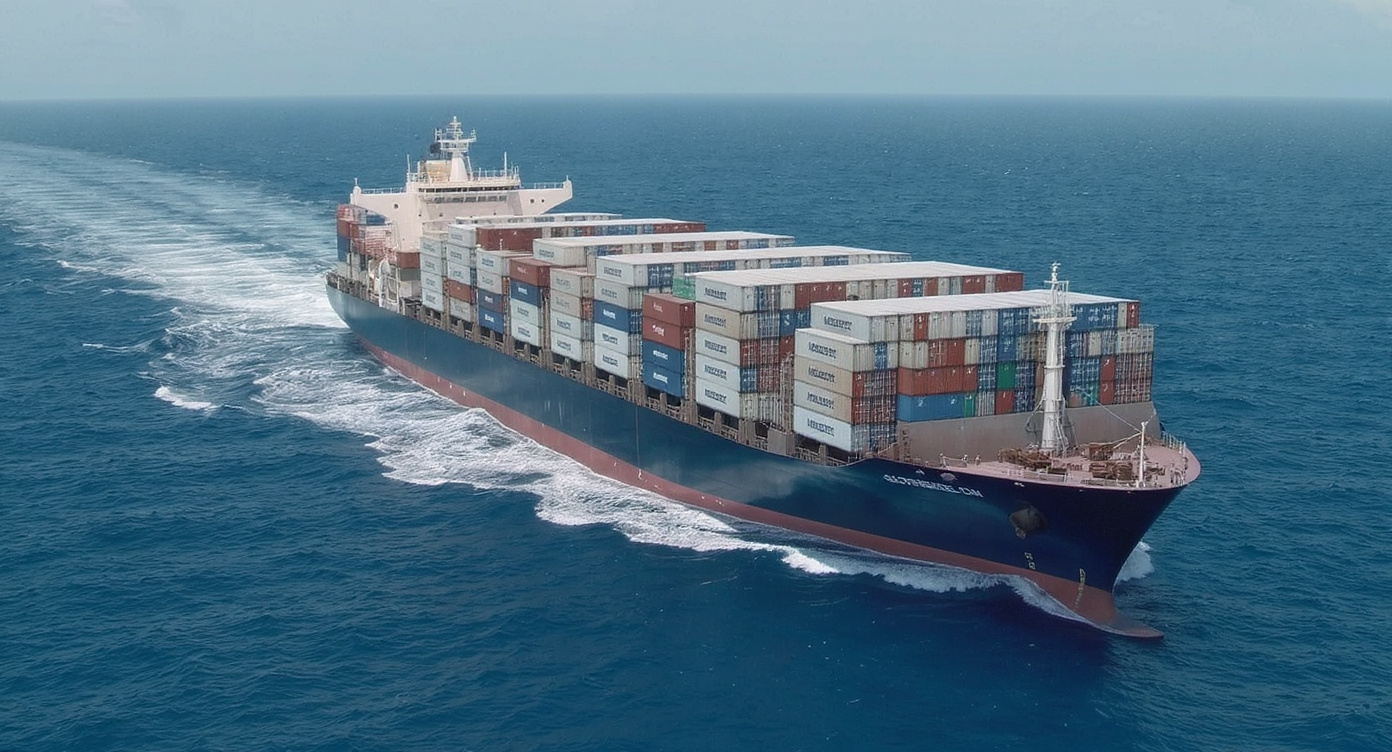
In February, the EU's foreign trade surplus dropped by 60% due to a significant decline in exports to the United States, which was linked to changes in tariff policies. Exports to the US fell by more than a quarter, and there was also a decrease in shipments to China.
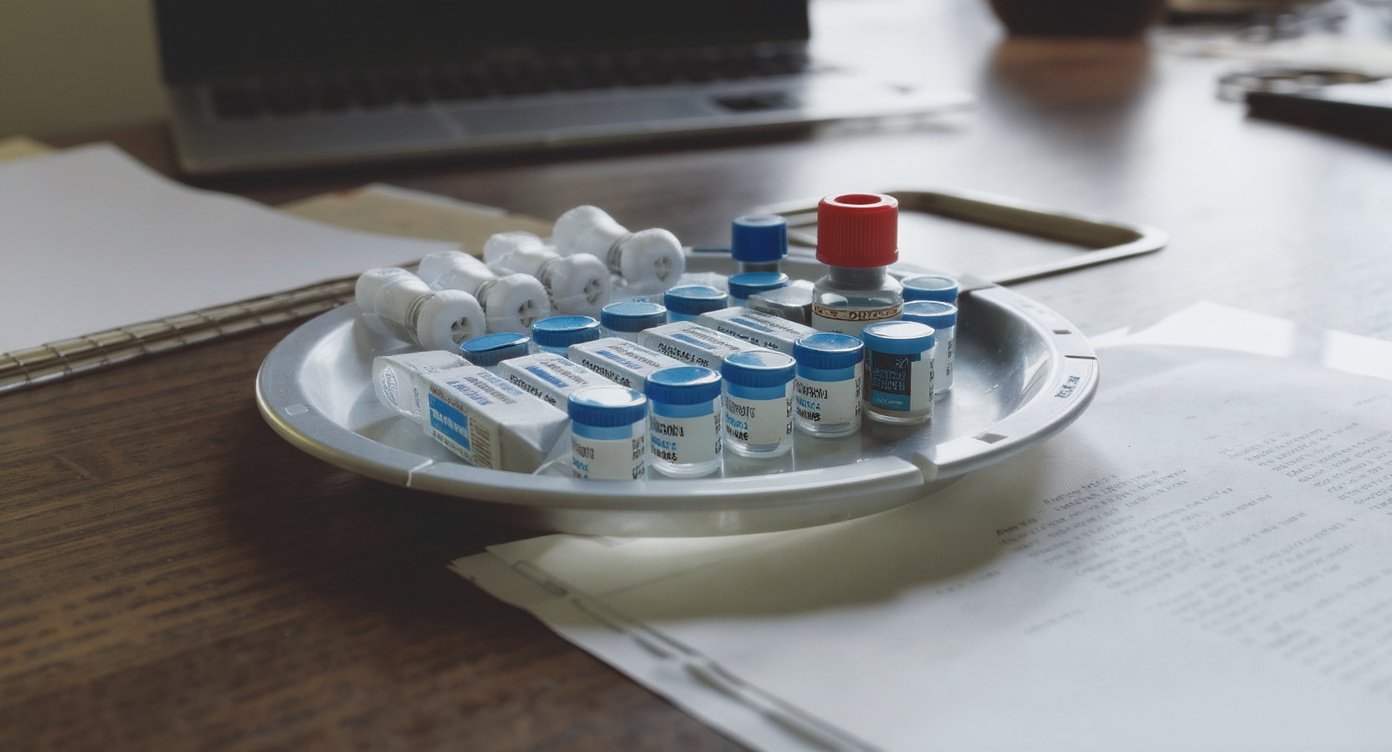
The United States is introducing new tariffs on patented medicines and their components, reaching up to 100% for major companies. Generics and biosimilars are currently exempt from these tariffs, and certain countries and agreements are granted special benefits. These measures are aimed at encouraging investment in the American pharmaceutical industry.
China has expressed its willingness to increase imports of goods from the EU and has called for the easing of export restrictions on high-tech products, as well as for constructive solutions to trade disputes.
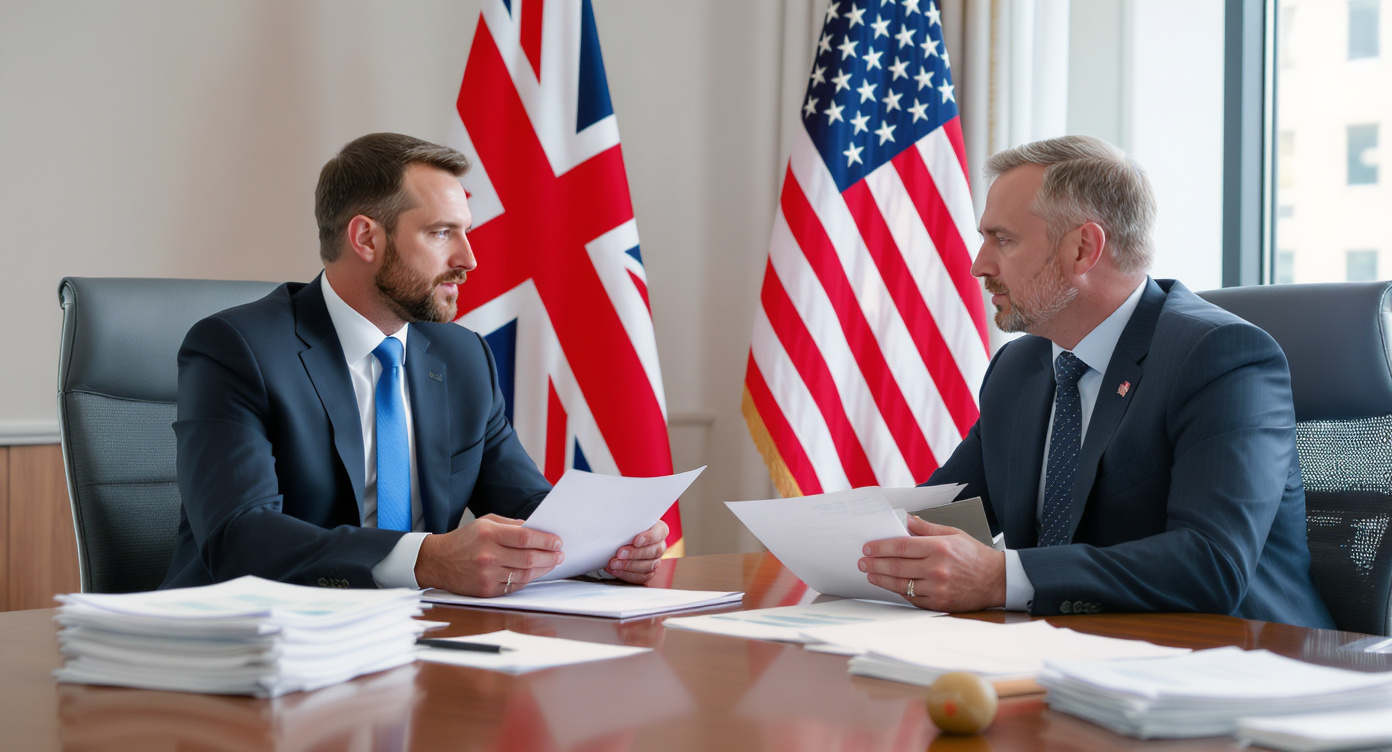
The United Kingdom expects to maintain its trade advantages with the United States following the U.S. Supreme Court's decision to lift the broad tariffs previously imposed by the Trump administration. British authorities continue to work with the U.S. to clarify the implications of the court's ruling and to support businesses.
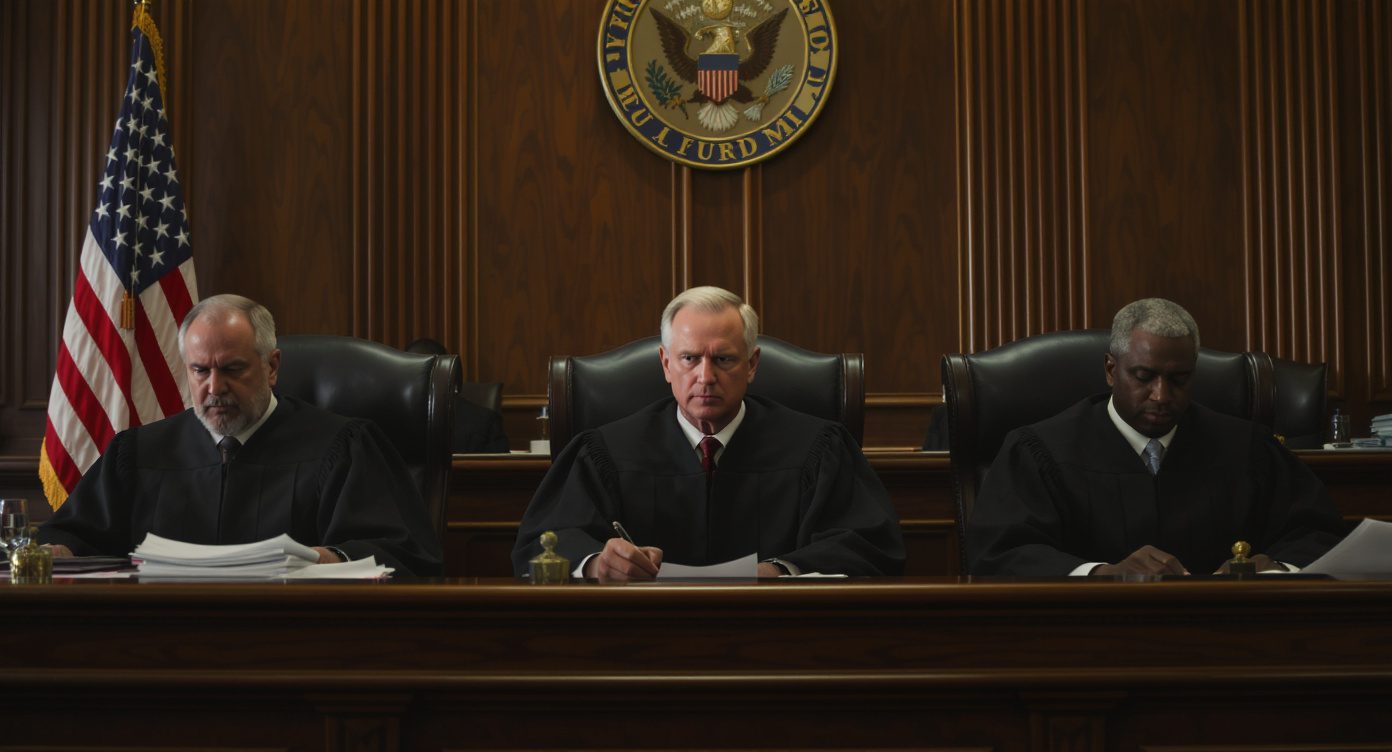
The decision of the US Supreme Court to overturn the tariffs imposed by the Trump administration raises questions about compensation for companies and potential changes in business models and the country's economy.
In September, Canada recorded its first trade surplus since January, thanks to increased exports and reduced imports. However, trade continues to face challenges, including U.S. tariffs and the upcoming review of the CUSMA agreement.


 Petrus