

The US Supreme Court has overturned Trump's tariffs.
The decision of the US Supreme Court to overturn the tariffs imposed by the Trump administration raises questions about compensation for companies and potential changes in business models and the country's economy.
Lex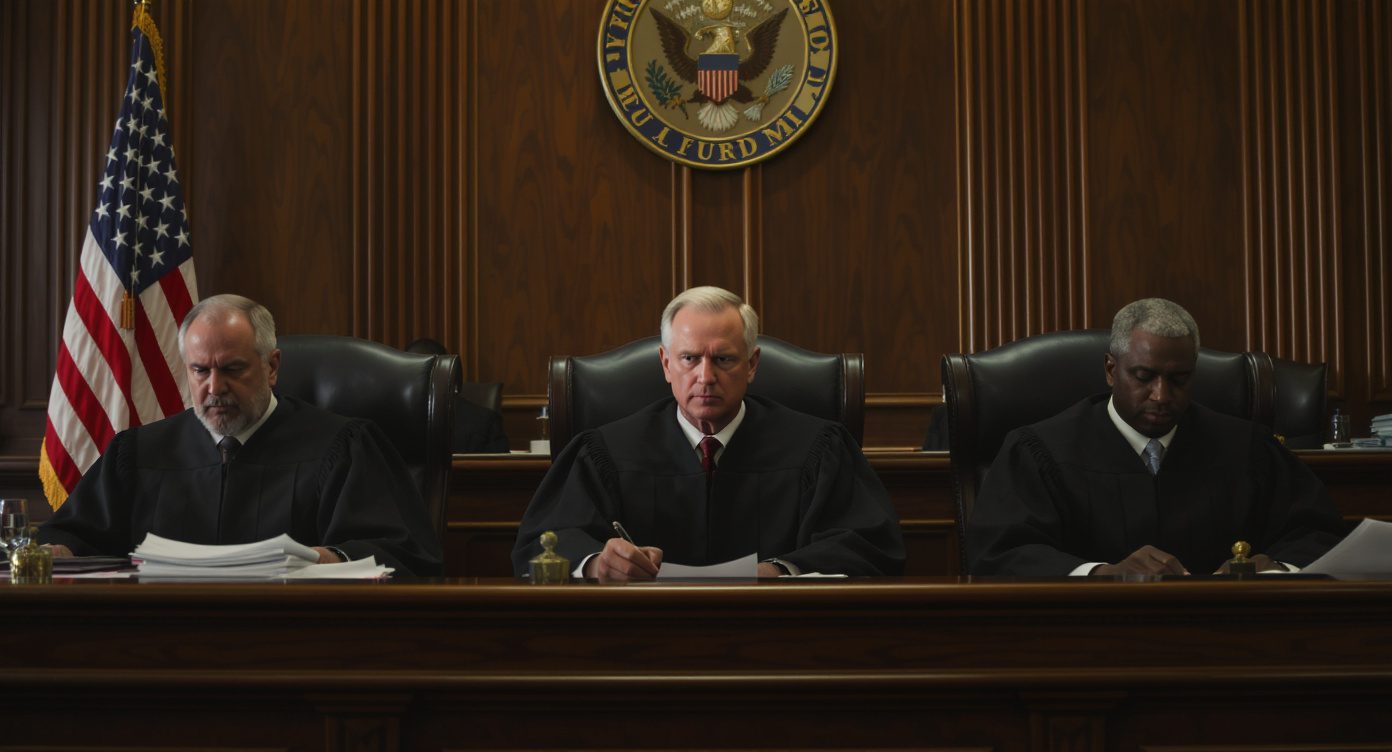
The decision by the U.S. Supreme Court to overturn a wide range of import tariffs imposed by the Trump administration is raising new questions for Federal Reserve officials as they assess the impact of these measures on prices and the broader economy.
Impact on Business and the Economy
Among the key issues related to this ruling is whether companies that have already paid the now-canceled tariffs will need to be compensated. There is also ongoing debate about whether the removal of tariffs will prompt businesses to return to their previous supply chain models, or if new mechanisms will be introduced to maintain similar tariffs at previous levels.
Assessing the Consequences
It is difficult to fully evaluate the consequences of the Supreme Court's decision on tariffs, as much depends on whether compensation will be required and how companies will respond to these changes.
The Court's Ruling
On Friday, the U.S. Supreme Court, in a 6-3 majority decision, ruled that President Trump's use of emergency powers to impose global tariffs was unconstitutional.