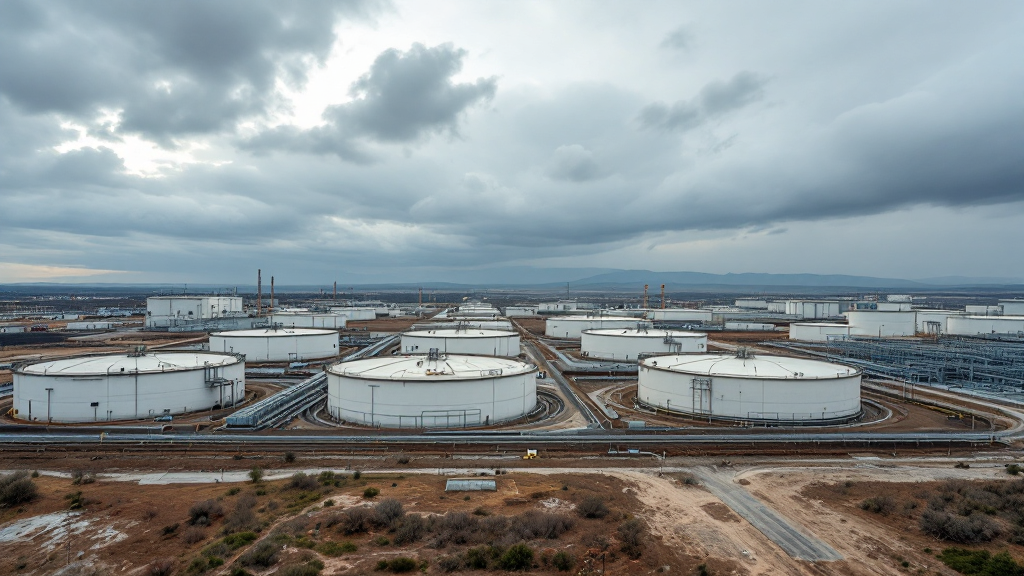
The European liquefied natural gas market is facing the risk of shortages and rising prices due to low reserves, supply disruptions, and infrastructure damage. Gas storage levels are significantly below normal, increasing uncertainty as the winter season approaches.
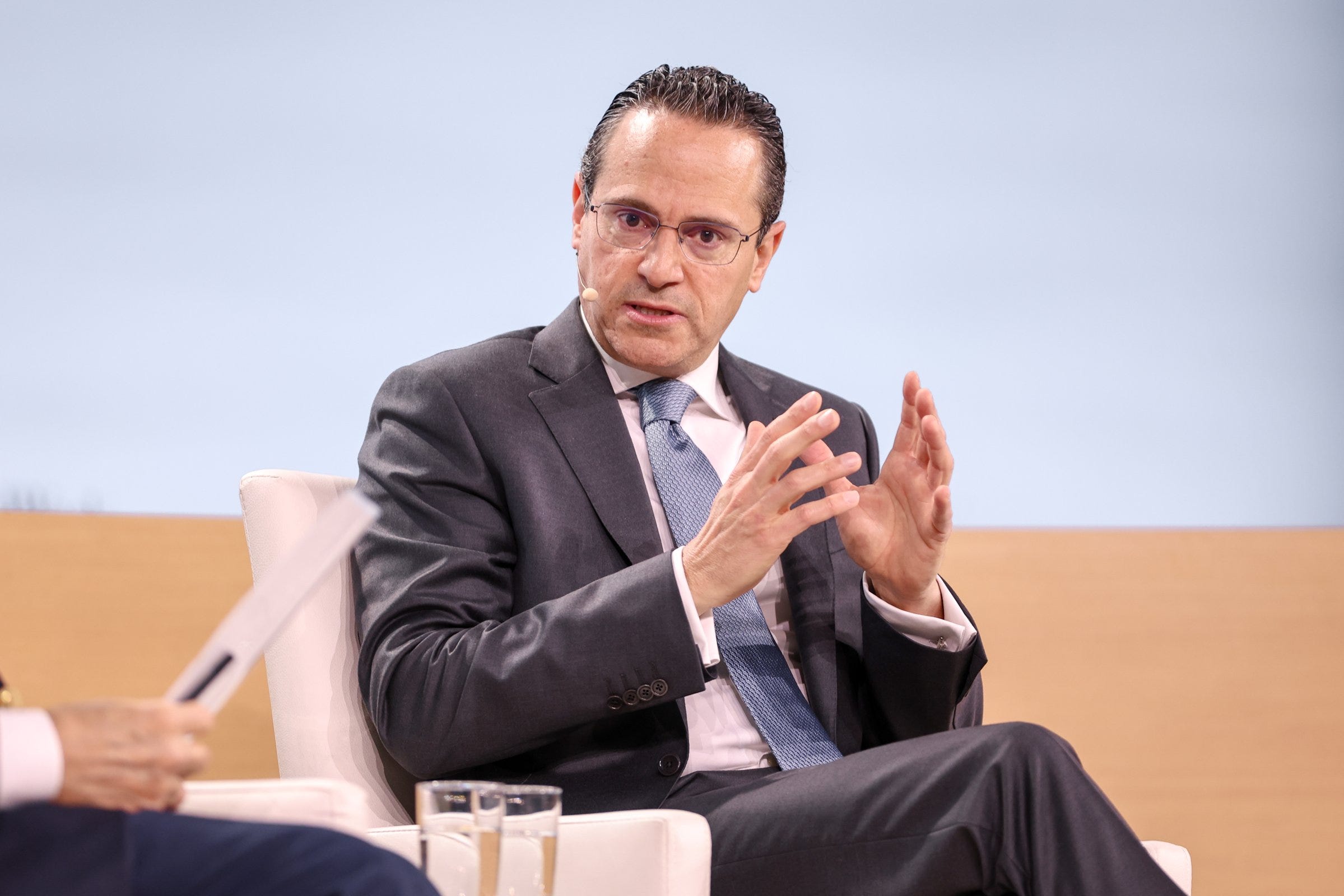
In the second quarter of 2026, Shell reported profits that significantly exceeded analysts’ expectations, driven by high oil and gas prices, record refinery utilization, and successful trading operations. The company also announced a new share buyback program and continued to reduce its costs.
Rising demand for gas and LNG in Asia, dry weather conditions, and limited alternative supplies are increasing price volatility in the global market. Competition between European and Asian buyers may lead to further fluctuations, especially amid uncertainty surrounding the restoration of production in Qatar.
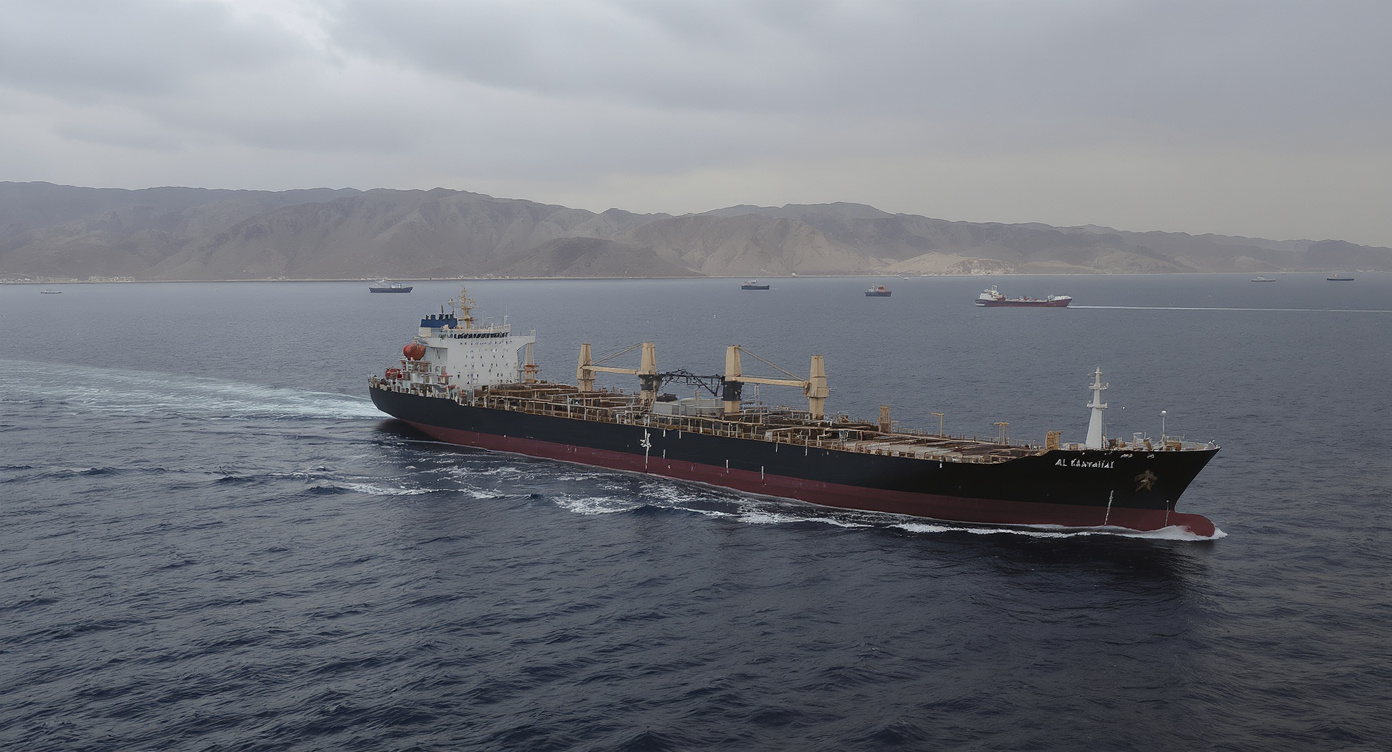
A tanker carrying Qatari LNG has passed through the Strait of Hormuz for the first time since the start of hostilities, a move linked to negotiations over additional gas supplies for Pakistan. It remains unclear whether more shipments will follow, given rising prices and the search for alternative sources in Asia.
In July, the UK is expected to raise the cap on household energy prices by about 18% due to disruptions in gas supplies. Authorities are considering measures to support the population, but their options are limited.

 Petrus