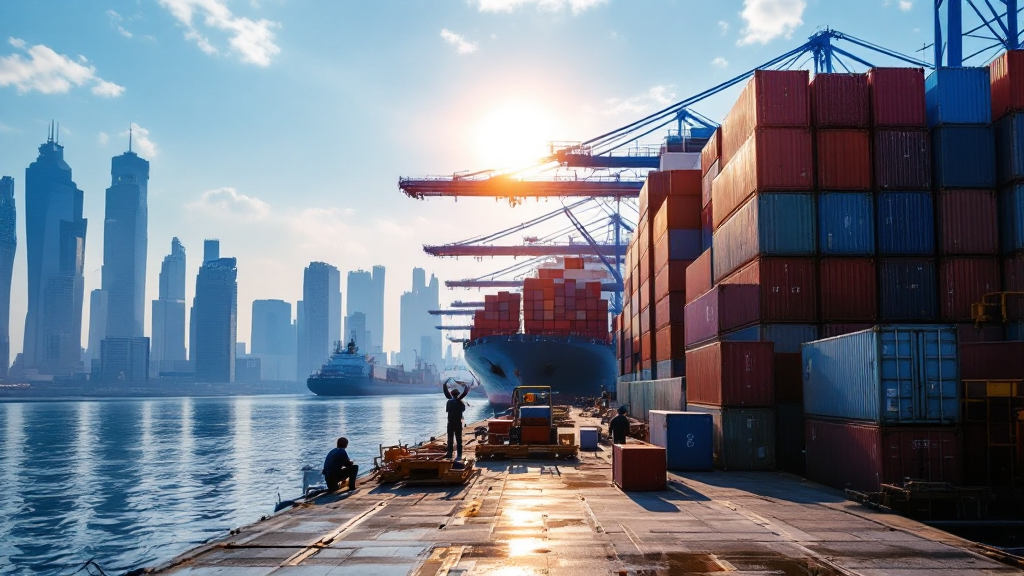
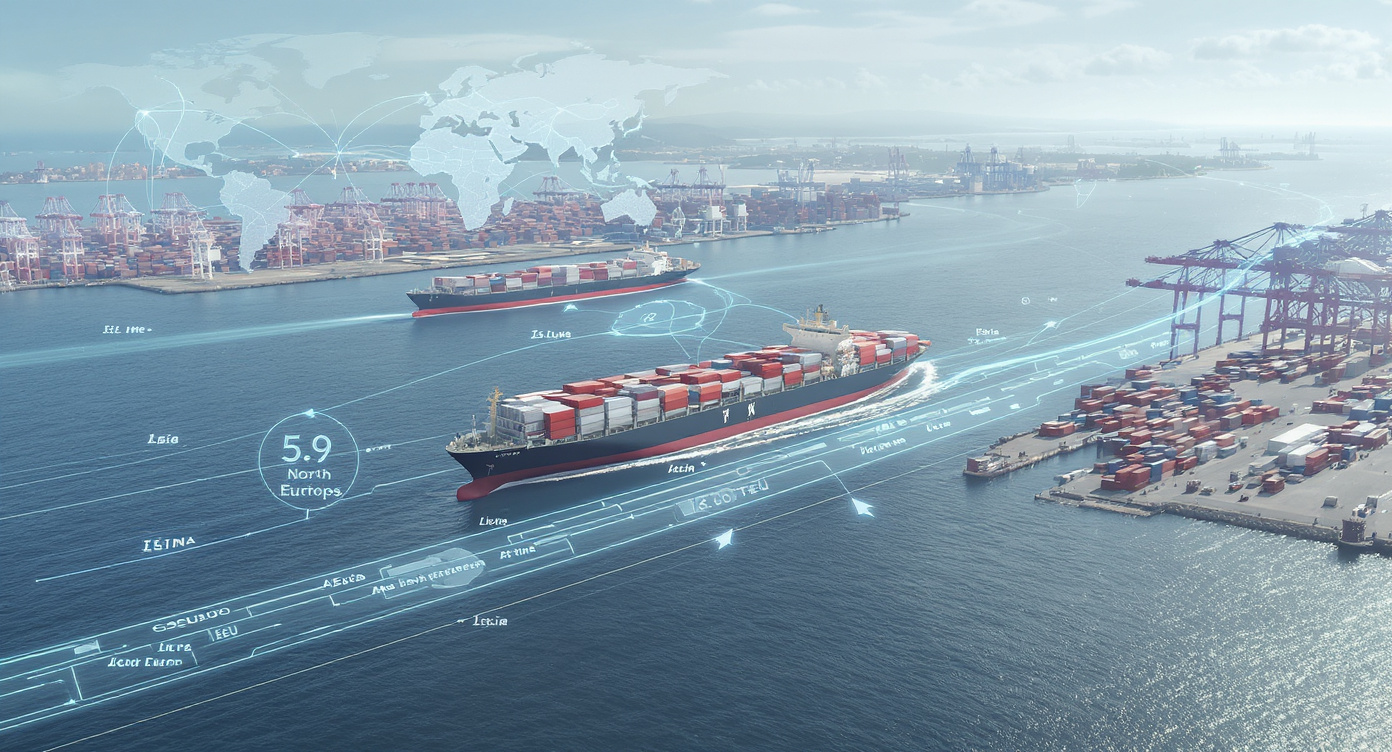
The South Korean shipping industry is intensifying competition in the Asian market, where growing demand for container transport is driven by the expansion of manufacturing and logistics networks in Southeast Asia. Major carriers like HMM are increasing their fleets and developing regional routes to strengthen their positions amid the rapidly evolving transportation infrastructure of the region.
South Korea plans to launch regular Arctic container shipping routes by 2030, but faces a lack of interest from shipping companies due to high costs and low cargo volumes. Despite subsidies and trial voyages, the project has yet to attract participants.
Container shipping rates within Asia continue to decline amid weakening Chinese exports and a slowdown in peak season activity. Shipping companies are expanding their routes, but the market is showing signs of slowing down.
The main peak of the container shipping season ended earlier than usual this year, due to external factors and changes in logistics. A possible second mini-peak is expected in the fourth quarter.
Gemini Cooperation is undergoing a strategic realignment of its routes, reducing capacity on the Asia–North America and Asia–Northern Europe corridors in order to strengthen transport between Asia and the Mediterranean. This approach enables the company to increase its market share on this route by focusing resources and modernizing its fleet.
The punctuality of container shipping remains below pre-pandemic levels, with vessel delays causing the loss of up to 6% of global fleet capacity—equivalent to the entire capacity of a major carrier.

 Vectus