

South Korea struggles with Arctic container ships
South Korea plans to launch regular Arctic container shipping routes by 2030, but faces a lack of interest from shipping companies due to high costs and low cargo volumes. Despite subsidies and trial voyages, the project has yet to attract participants.
Vectus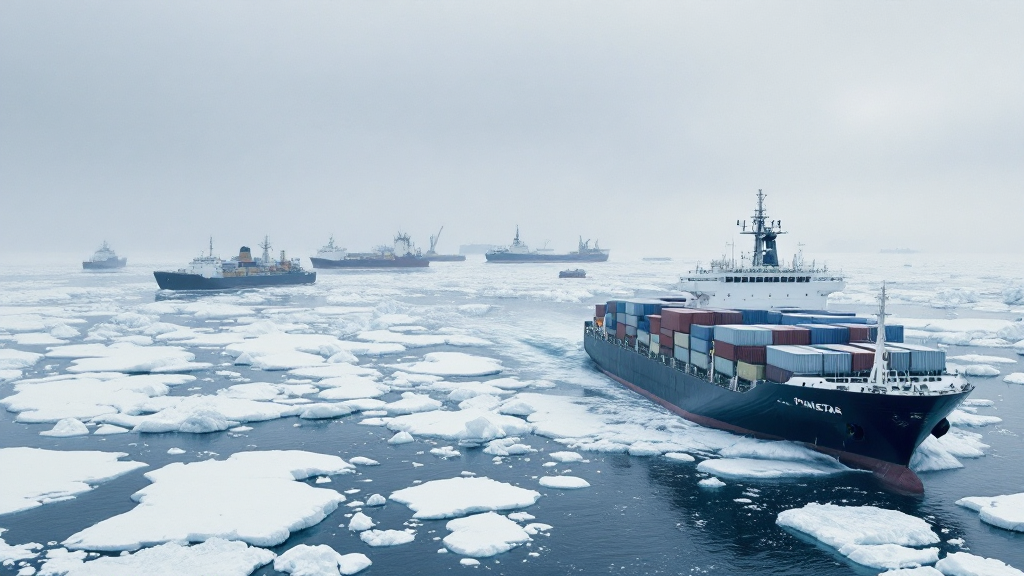
The Ministry of Oceans and Fisheries of South Korea (MOF) is facing difficulties attracting local shipping companies to participate in the construction of icebreaking container ships, despite offering subsidies of $8 million.
Arctic Shipping Development Plan
The project envisions building icebreaking vessels at South Korean shipyards to launch regular container shipping along the Northern Sea Route by 2030. South Korea aims to use this route for faster cargo delivery to Europe, following China's example.
Test Voyage and Market Challenges
On August 22, ferry operator Panstar Line conducted a test voyage from Busan to Rotterdam with the Panstar Acro, a vessel with a capacity of 2,758 TEU. However, market uncertainty—including insufficient cargo volumes and the high cost of building icebreaking ships—has discouraged shipping companies from joining the project.
Tender Process and Lack of Applications
The first MOF tender accepted applications from March 5 to June 26, but due to a lack of participants, the deadline was extended to September 30. One local company negotiated with a shipyard but ultimately did not apply, citing high construction costs and difficulties in securing a stable cargo base.
Vessel Loading and Voyage Results
According to an industry report, only 737 TEU were loaded onto the Panstar Acro—less than half its capacity—despite active negotiations with shippers and logistics companies. Three weeks after departing Busan, the vessel reached the UK port of Felixstowe, completing half of its round trip, which is expected to take about 45 days. The return journey will also follow the Arctic route.
Outlook and Next Steps
The South Korean government plans to launch regular Arctic container shipping by 2030, but the MOF continues to assess the number of vessels needed for consistent operations during the Northern Sea Route navigation season.
In an effort to engage shipowners, the national shipping finance institution Korea Ocean Business Corporation (KOBC) held a briefing to identify the challenges companies face on this route. KOBC representatives noted that if there are no applications this year, it will become even harder in the coming years to secure additional funding to attract new shipping companies.