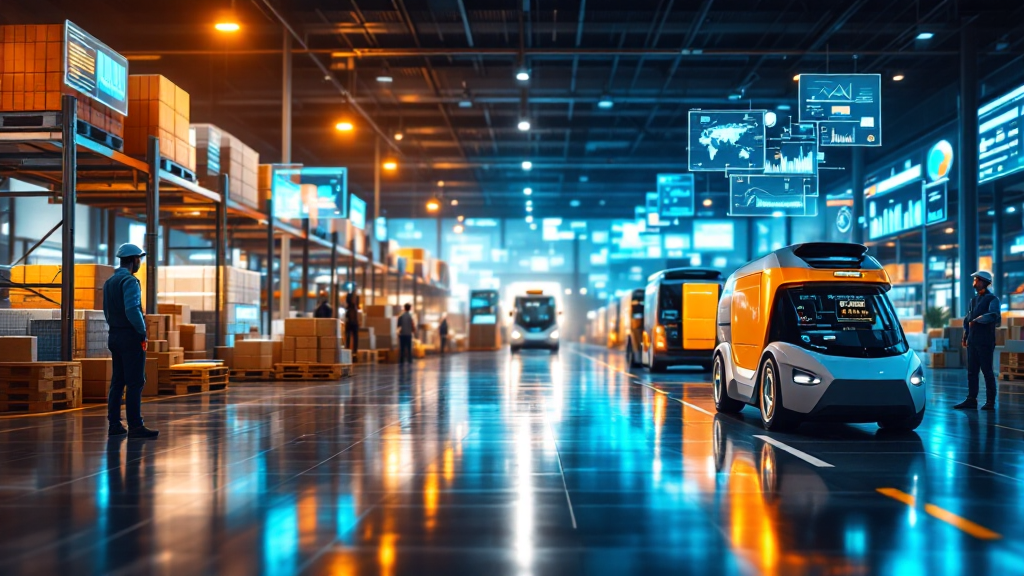
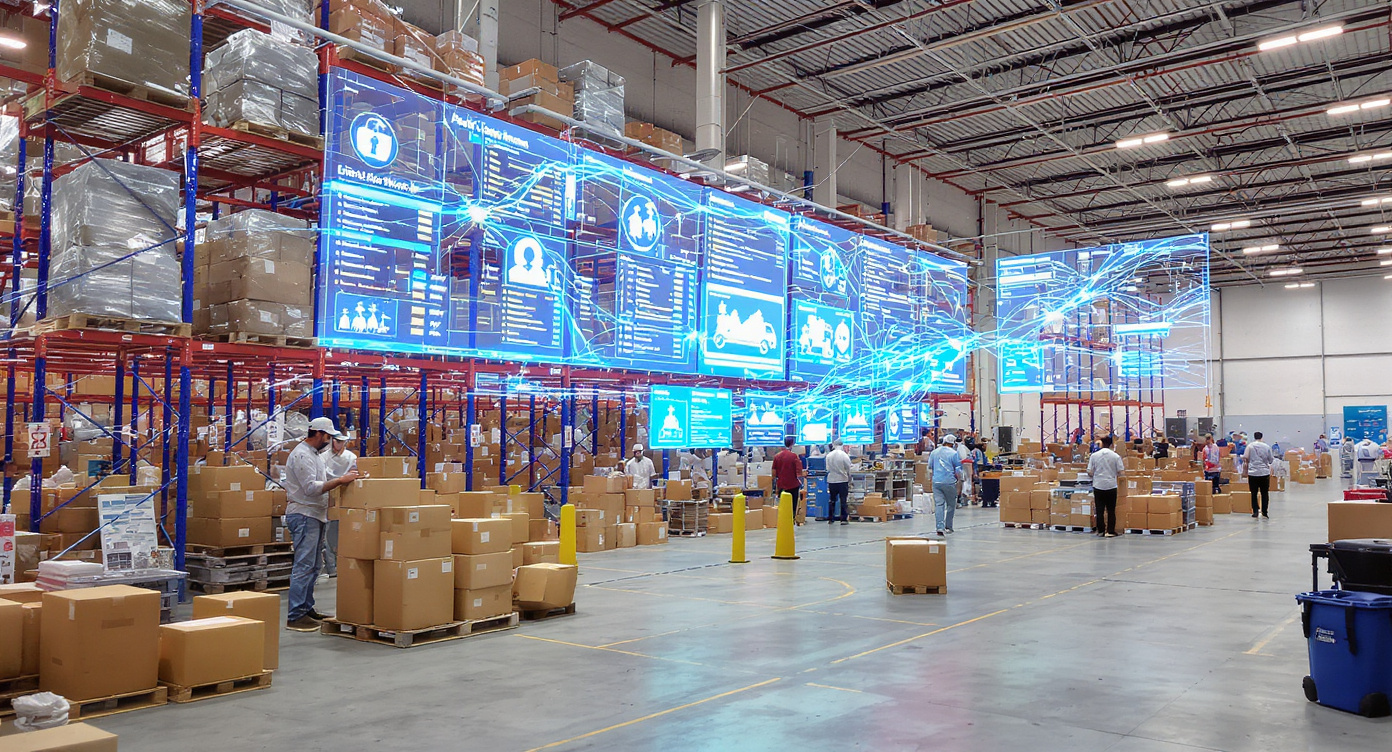
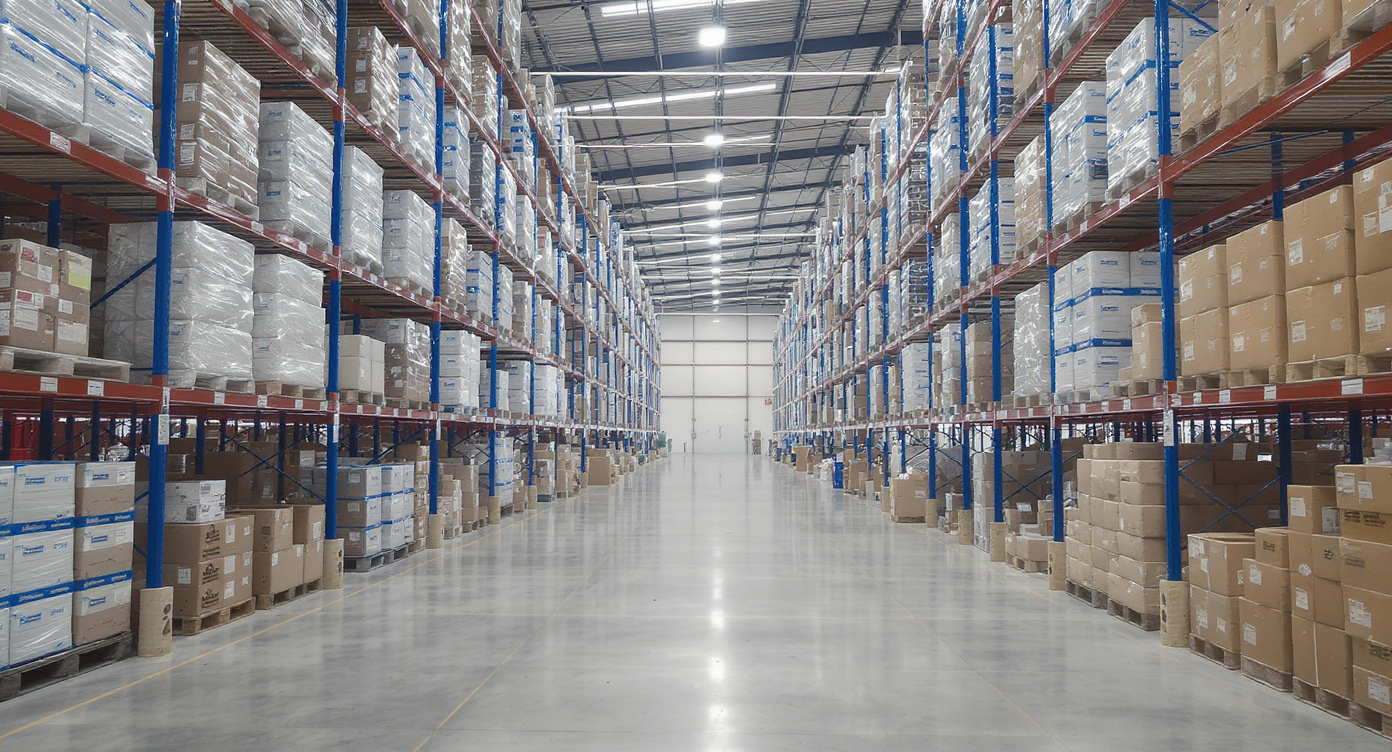
Artificial intelligence not only helps optimize individual processes within supply chains, but also integrates them into a unified, flexible system. The greatest value is gained by companies that use AI to coordinate operations and make real-time decisions.
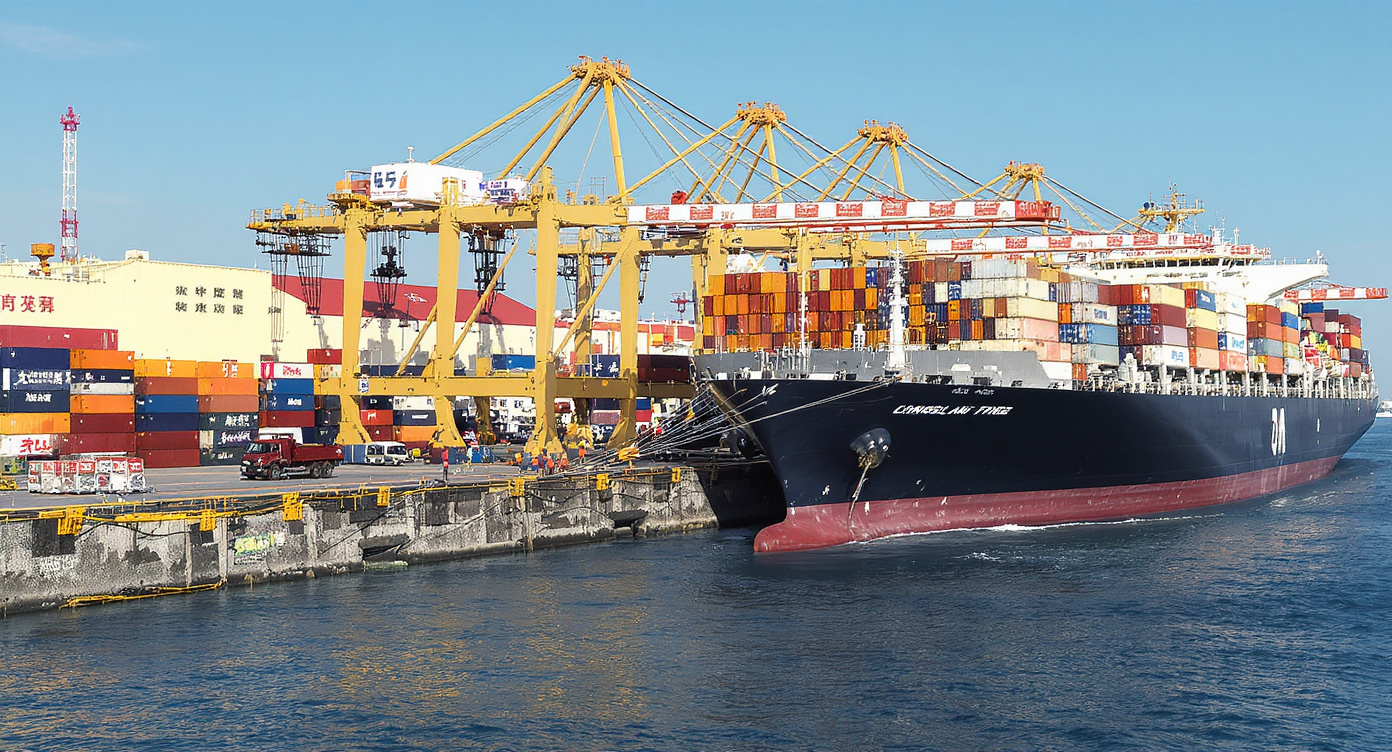
The main peak of the container shipping season ended earlier than usual this year, due to external factors and changes in logistics. A possible second mini-peak is expected in the fourth quarter.
In logistics and supply chain management, the focus is shifting from transparency to the automation of processes using AI. New platforms now enable not only cargo tracking but also automatic booking of shipments, inventory and document management, which significantly increases efficiency and reduces costs.
Experts believe that the new tariffs on low-cost parcels in Europe will not lead to a sharp decline in online sales, as was the case in the United States. The market is already adapting to these changes, and demand for online shopping remains strong.
China has introduced new regulations to strengthen supply chain security, granting authorities the power to investigate and respond to threats from foreign organizations. These measures are aimed at protecting key industries and promoting international cooperation.
In March, pressure on global supply chains rose to levels seen at the beginning of 2023. However, it remains significantly below the peak values recorded during the pandemic.
Automation and digital technologies make food supply chains more efficient, but they also increase their vulnerability: even a minor disruption can lead to empty shelves, despite existing reserves. To ensure system resilience, human oversight and algorithm transparency are essential.


 Vector