

Digital disruptions can leave stores without products
Automation and digital technologies make food supply chains more efficient, but they also increase their vulnerability: even a minor disruption can lead to empty shelves, despite existing reserves. To ensure system resilience, human oversight and algorithm transparency are essential.
Vector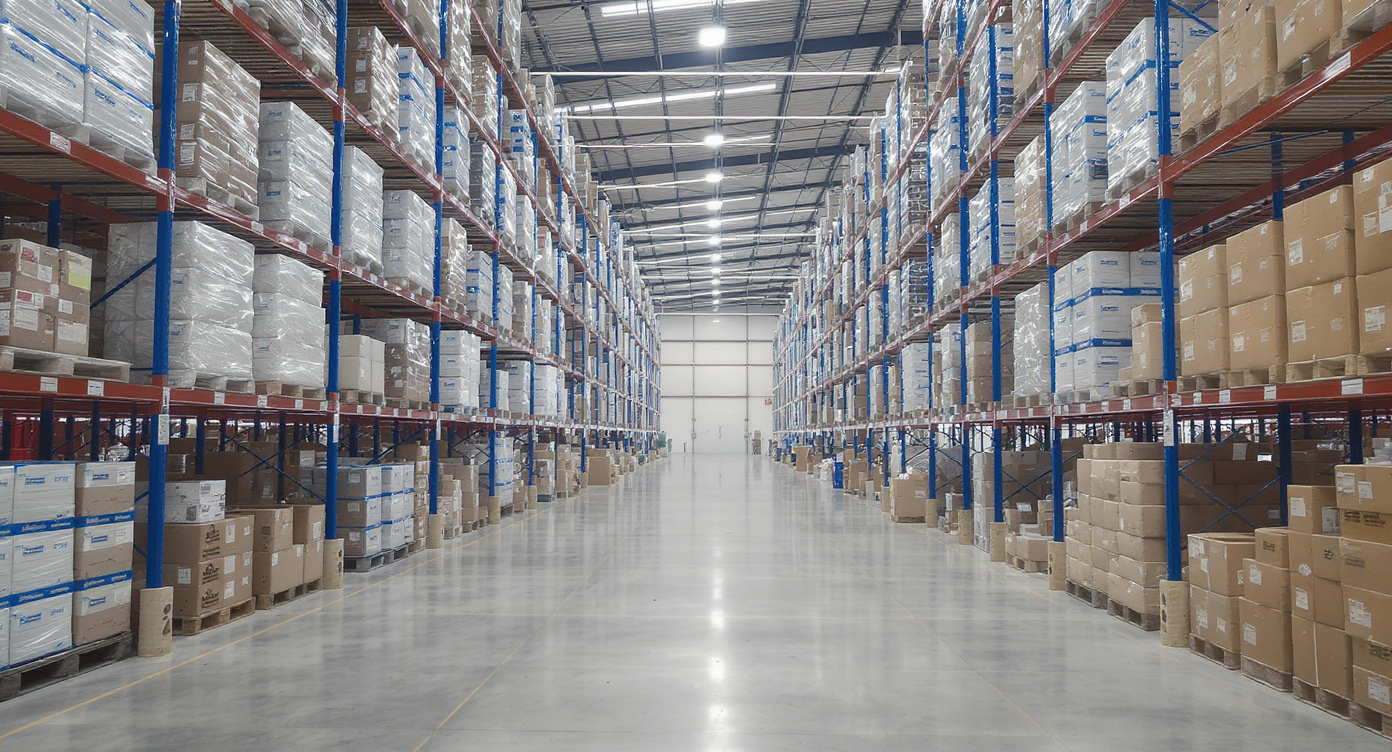
In a digital food system, even a minor software malfunction can result in empty store shelves, despite warehouses being fully stocked.
Dependence on Digital Systems
In today’s supply chains, products move only after digital platforms confirm and approve each step. Databases and automated processes determine whether goods can be shipped, insured, sold, and legally distributed. If the system does not authorize a delivery, products cannot enter the market. Goods not registered in digital systems become inaccessible for use. This dependence is considered one of the key vulnerabilities of the UK’s food system. Recent cyberattacks and network failures in US retail and distribution have led to order system shutdowns and delivery delays, even when products were available in warehouses.
Automation and New Risks
The rise of automation in supply chains means that many decisions are now made by opaque systems that are difficult to explain or challenge. Manual backup procedures are being reduced for efficiency, a trend seen worldwide—from farms to supermarkets. While digital tools have improved efficiency, they have also increased pressure on logistics and transport, especially in “just-in-time” delivery systems.
The use of artificial intelligence and data analytics now covers most stages of the UK food system. These technologies help forecast demand, optimize planting, manage inventory, and prioritize shipments. However, automation introduces new risks: if decisions about product distribution cannot be reviewed or explained, control shifts from humans to software. Critical decisions about where goods go and who can access them are made by systems that are not always subject to human oversight.
Examples of Failures and Their Consequences
In 2021, a ransomware attack on JBS Foods halted meat processing operations, despite the availability of livestock, workers, and equipment. Some farmers managed to bypass the systems, but most processes were disrupted. Recent failures at major distributors have shown how quickly deliveries can be interrupted, even when goods are in stock.
The reduction in the number of specialists capable of managing these systems makes the problem worse. Manual processes are considered inefficient and are gradually being phased out, and staff are no longer trained in alternative procedures. When failures occur, there may be a lack of necessary skills for intervention. Staff shortages in transport, warehousing, and sanitation services also complicate recovery after disruptions.
Vulnerability and the Speed of Disruption Spread
The danger lies not only in the possibility of system failures but also in how quickly disruptions can spread. Authorization systems may stop working, trucks may remain loaded but unable to leave due to non-functioning release codes. Products exist, but they do not move through the supply chain.
Past incidents have shown that digital records and physical reality can quickly become misaligned. Within days of a system failure, inventory records may no longer reflect the actual situation. After about 72 hours, manual intervention becomes necessary, but paper-based procedures are often already discontinued, and staff are not trained to use them.
Research into the vulnerabilities of the UK food system shows that failures are more often caused by organizational weaknesses than by actual shortages of products.
Authorization and Control Issues
Food security depends not only on supplies but also on authorization. If a digital manifest is damaged or inaccessible, shipments can be blocked. This is especially critical for countries with high import dependence and complex logistics networks, such as the UK. The resilience of the system is determined not just by border crossings, but by data management and decision-making within the system itself.
The Role of Artificial Intelligence and Human Oversight
Artificial intelligence can enhance food security, for example, through precision agriculture and early warning systems that already help reduce losses and increase yields. The key issue is not whether to use AI, but how it is regulated and who controls its operation.
Human oversight remains essential. Food systems require trained personnel who can intervene during failures, as well as regular drills to maintain these skills. Algorithms managing product distribution must be transparent for auditing. Commercial secrecy should not outweigh public safety. Farmers and communities must also have control over their own data and knowledge.
Conclusion
The risk is neither remote nor hypothetical: warehouses full of food can become inaccessible due to digital failures. The main question is not whether digital systems will fail, but how resilient the food system is to such events and whether it can continue to function when they occur.