Seven OPEC+ countries have decided to keep oil production levels unchanged for October amid ongoing geopolitical tensions and challenges in the Persian Gulf region. Against this backdrop, global oil prices continue to rise.
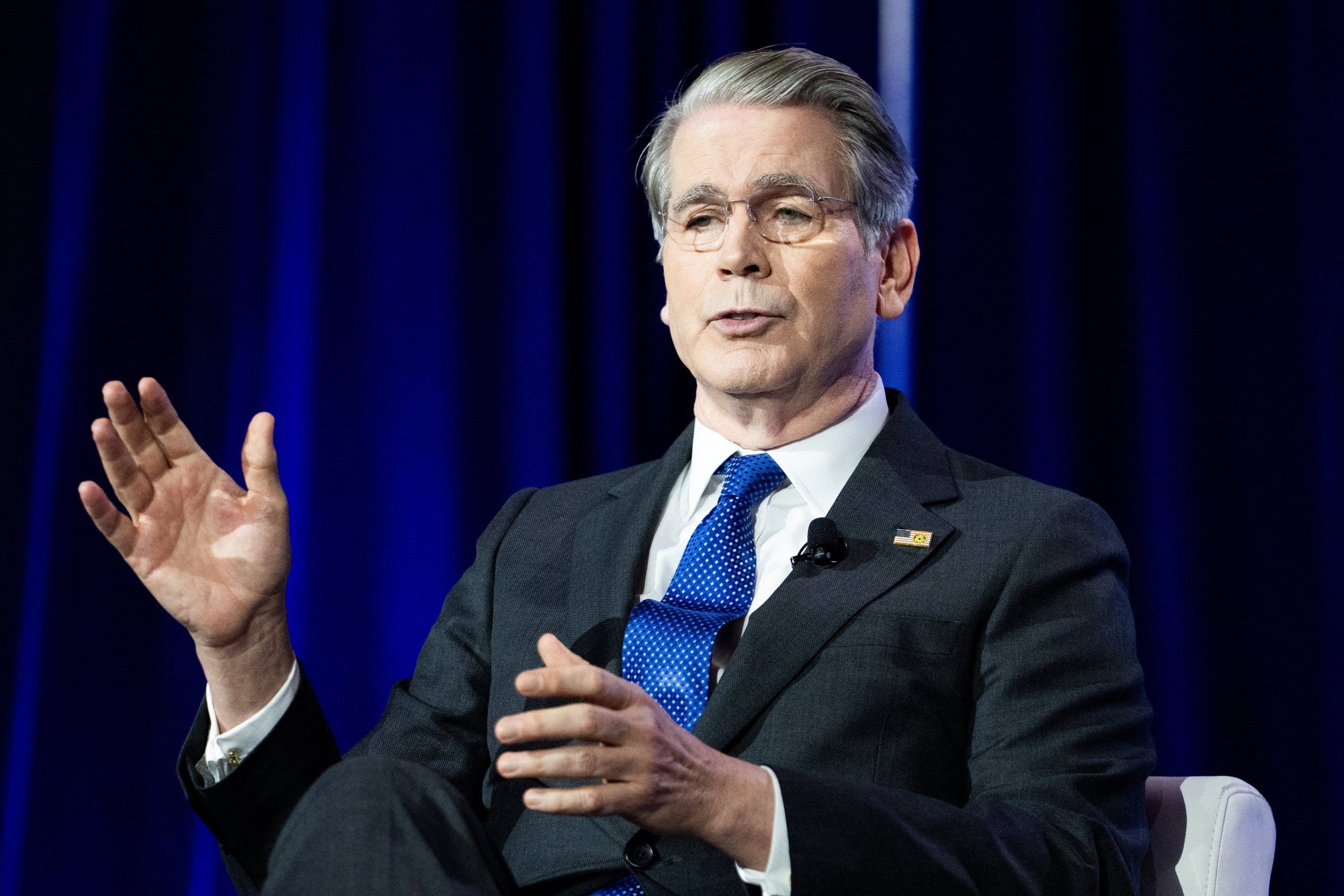
High market volatility and geopolitical conflicts are keeping oil prices elevated, which supports the growth in production and profits for Diamondback Energy. The company has updated its forecasts and achieved record results, despite ongoing uncertainty about the timeline for global supply recovery.
The European liquefied natural gas market is facing the risk of shortages and rising prices due to low reserves, supply disruptions, and infrastructure damage. Gas storage levels are significantly below normal, increasing uncertainty as the winter season approaches.
Oil prices have dropped significantly following the temporary halt in military actions between the US and Iran, raising hopes for a de-escalation of the conflict. However, risks of supply disruptions and market uncertainty remain.
Leading contractors have been invited to submit updated bids for the key project management contract for the Dorra gas field, despite the ongoing dispute with Iran. The results of the tender are expected later this year.
The Singaporean company SeaLead has faced significant restrictions after the United States imposed sanctions on its vessels for allegedly supporting Iranian interests. As a result, the carrier's fleet has been reduced by more than three times.
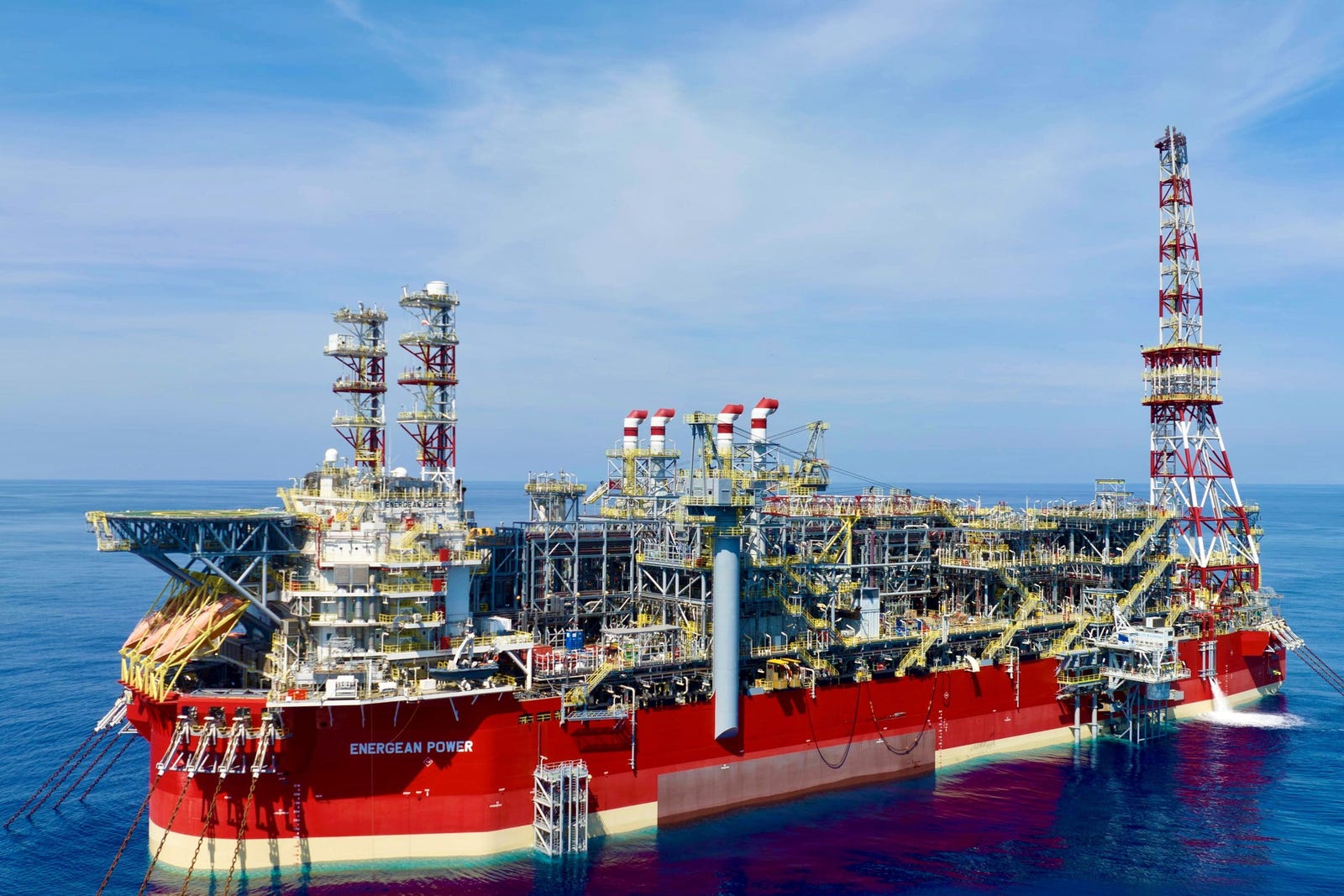
Energean has increased the liquid processing capacity at its FPSO in Israel, despite significant delays caused by regional conflicts. The new production line has boosted output from 18,000 to 31,000 barrels per day.
Oil prices surged sharply after the US revoked permission for Iranian oil exports and reports emerged of attacks on tankers in the Strait of Hormuz. Brent futures jumped nearly 6%, surpassing $76 per barrel.
Oil prices dropped sharply following reports of a possible reopening of the Strait of Hormuz and the continuation of the truce between Israel and Iran. Experts predict that high prices will persist until full energy traffic is restored, which could take several months.
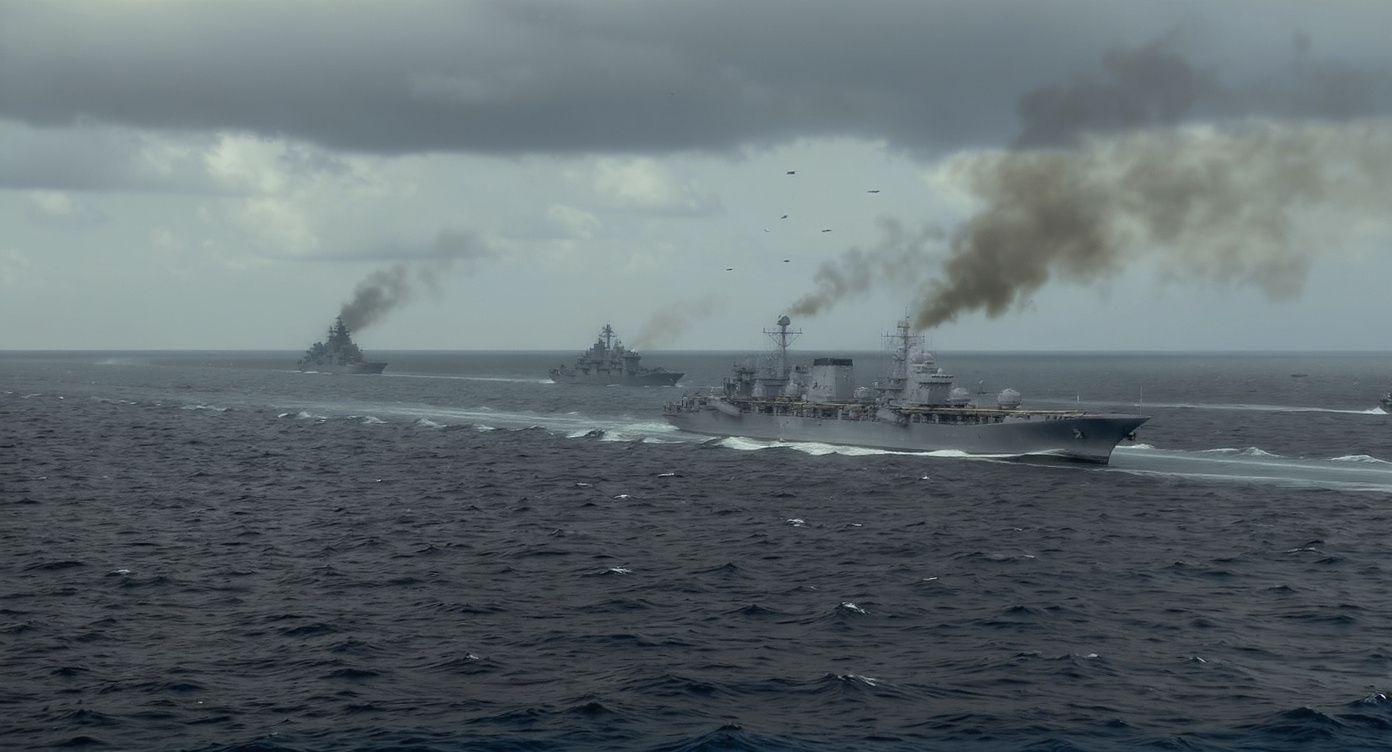
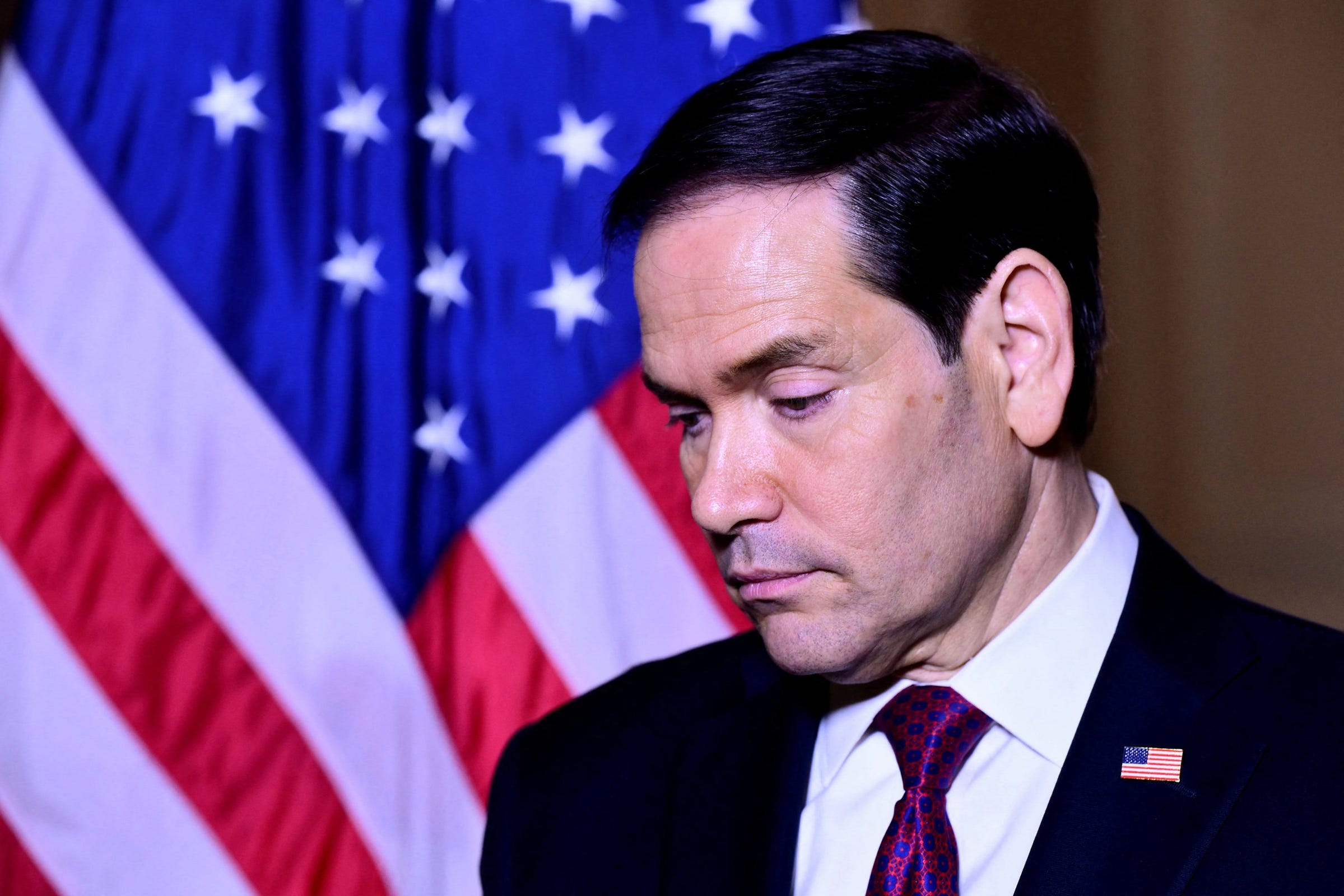
During a visit to France and the United Kingdom, the creation of an international mission was announced to restore navigation and de-escalate tensions in the Strait of Hormuz. Iran opposed the intervention, emphasizing its right to ensure the security of the region.
Oil prices in the US and Europe fell by 6% over the week amid expectations of a resolution to the conflict with Iran, despite ongoing tensions in the region. Analysts predict that high prices will persist until the end of the year due to shrinking reserves and steady demand.
A tanker carrying Qatari LNG has passed through the Strait of Hormuz for the first time since the start of hostilities, a move linked to negotiations over additional gas supplies for Pakistan. It remains unclear whether more shipments will follow, given rising prices and the search for alternative sources in Asia.
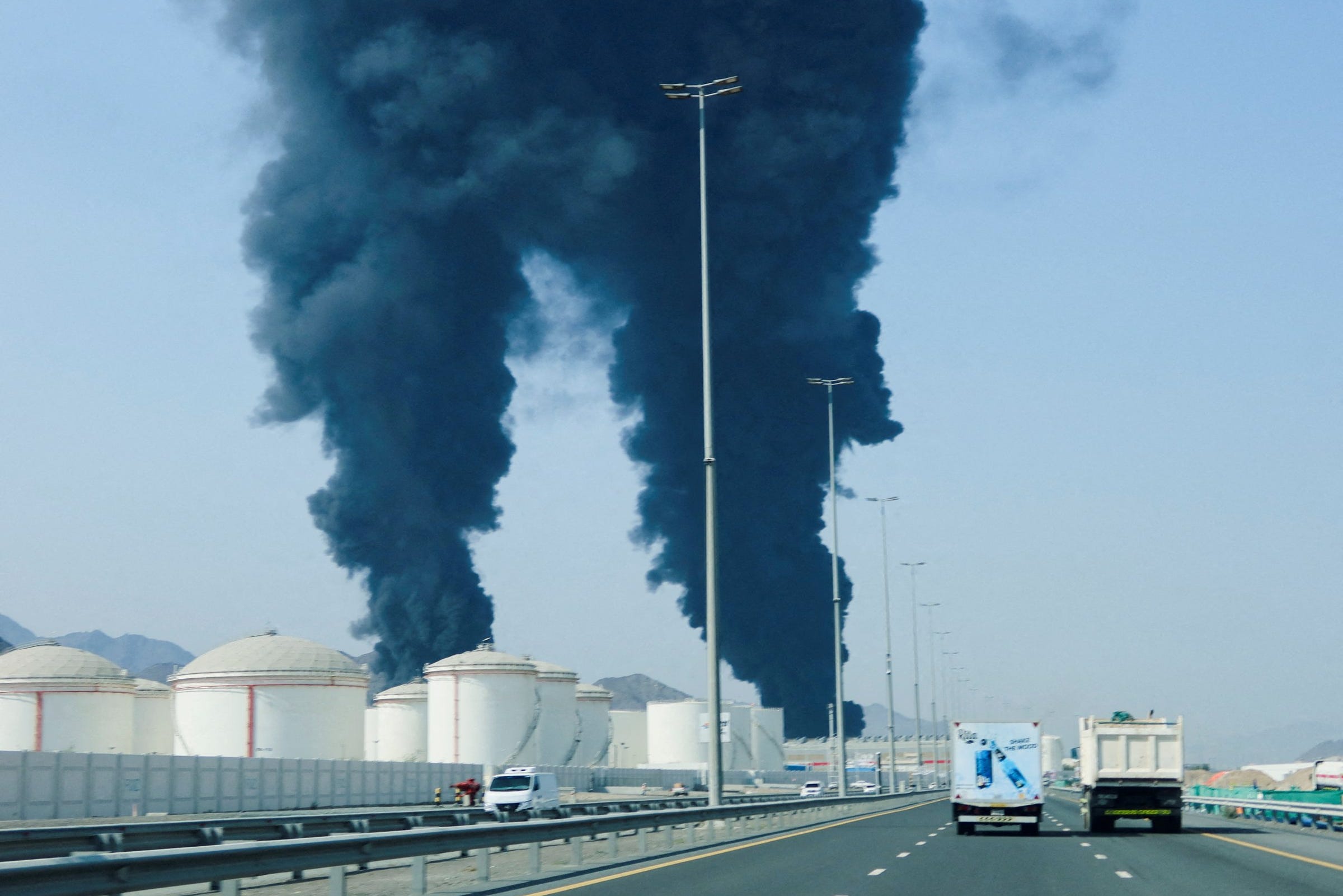
As a result of a strike by an Iranian drone on the Fujairah oil refining area, a major fire broke out and three people were injured. The incident affected oil exports from the UAE and worsened supply disruptions.


 Petrus