

The US imposes 50% tariffs on Canadian goods
The United States is imposing new 50% tariffs on a range of Canadian goods, raising concerns about an escalation of the trade conflict and increased uncertainty in relations between the two countries. Canada is prepared for negotiations and potential retaliatory measures.
Vector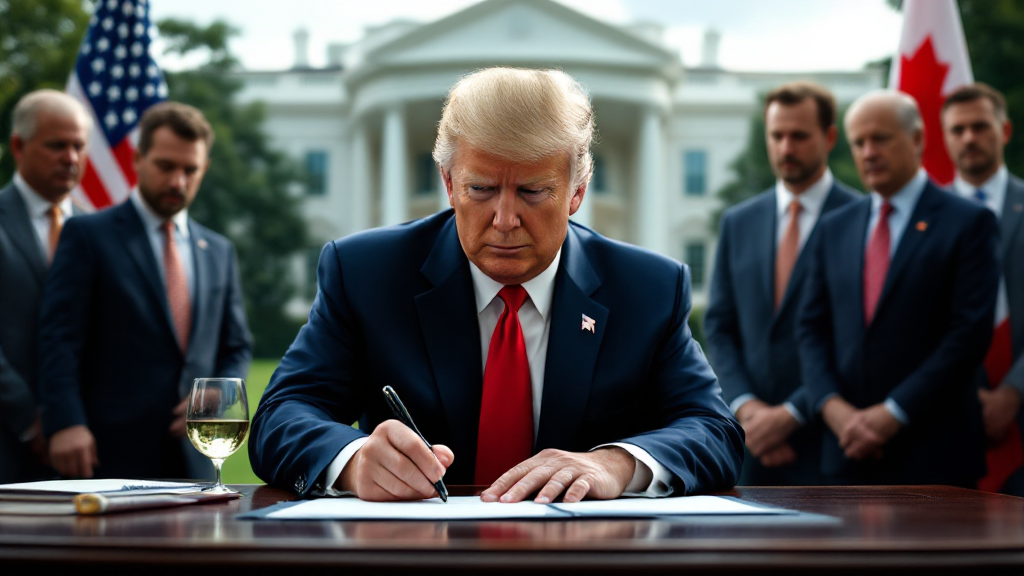
**Introduction of New US Tariffs on Canadian Goods**

US President Donald Trump has signed an order imposing new 50% tariffs on a range of products imported from Canada. These measures affect goods such as wine, hockey sticks, and cement. The new tariffs will take effect in 30 days and will apply to various categories of goods, excluding energy resources, potash, and products already subject to sectoral tariffs.

**Reasons for the Tariffs**

The new duties are being introduced under Section 338 of the US Tariff Act of 1930. Previously, similar tariffs were struck down by the US Supreme Court. The new measures target goods covered by the United States-Mexico-Canada Agreement (USMCA).

**Canada's Response**

The Canadian government has expressed its willingness to negotiate with the US and has put forward proposals to resolve disputes and modernize the USMCA agreement. Canada has also implemented reciprocal countermeasures in response to US actions.

**Impact on Trade Relations**

The introduction of new tariffs has raised concerns among several companies about a possible escalation of the trade conflict. Previously, tariff orders did not apply to goods imported under the USMCA. The new measures could complicate relations between the US and Canada, which is the US's second-largest trading partner.

**Additional Circumstances**

The White House noted that Canada, along with China, is one of the two countries that have responded to large-scale US tariffs since 2025. Most Canadian provinces have stopped purchasing American alcohol due to the tariffs and calls for the annexation of Canada as the 51st US state. It was also noted that Canada has restricted the export of US-made cars to companies returning production to America and has granted greater access to the dairy market for products from the EU.

**Legal Aspects and Consequences**

The use of Section 338 of the Tariff Act of 1930 for these tariffs marks the first time this law has been applied for such purposes. Experts point out that this law has not been used before and could be challenged in court. Negotiations on the USMCA are ongoing, with talks with Mexico progressing faster than those with Canada. If the tariffs are implemented, the removal of exemptions for imports under the USMCA could have a significant impact on trade.

**Outlook for the Situation**

High tariffs could prompt new retaliatory measures from Canada, especially as American businesses continue to face financial difficulties. Accusations of discrimination in the dairy sector are linked to the terms of Canada's trade agreement with the EU. There is no guarantee that legal proceedings will overturn the decision, and the process could take considerable time, maintaining uncertainty in trade relations between the countries.