The use of scented cleaning products can lead to the formation of nanoparticles in indoor air, especially when used together with ozone-generating devices. These particles are able to penetrate deep into the lungs, so it is important to ventilate rooms regularly and choose cleaning products with minimal fragrance content.
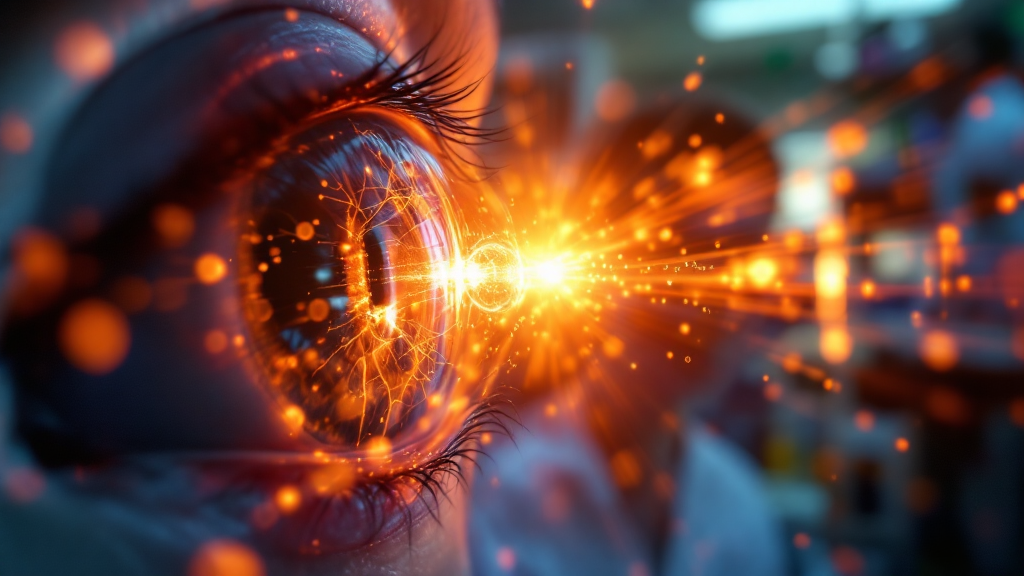
Scientists have developed nanoparticles that, when injected into the eye, can restore vision after retinal damage by replacing lost photoreceptors. This technology does not require surgery and is suitable for various causes of vision loss.
The rapid growth of data center energy consumption is driving the search for new solutions. Scientists have developed a carbon nanostructure that increases the efficiency and lifespan of fuel cells, which could help reduce the strain on the power grid.
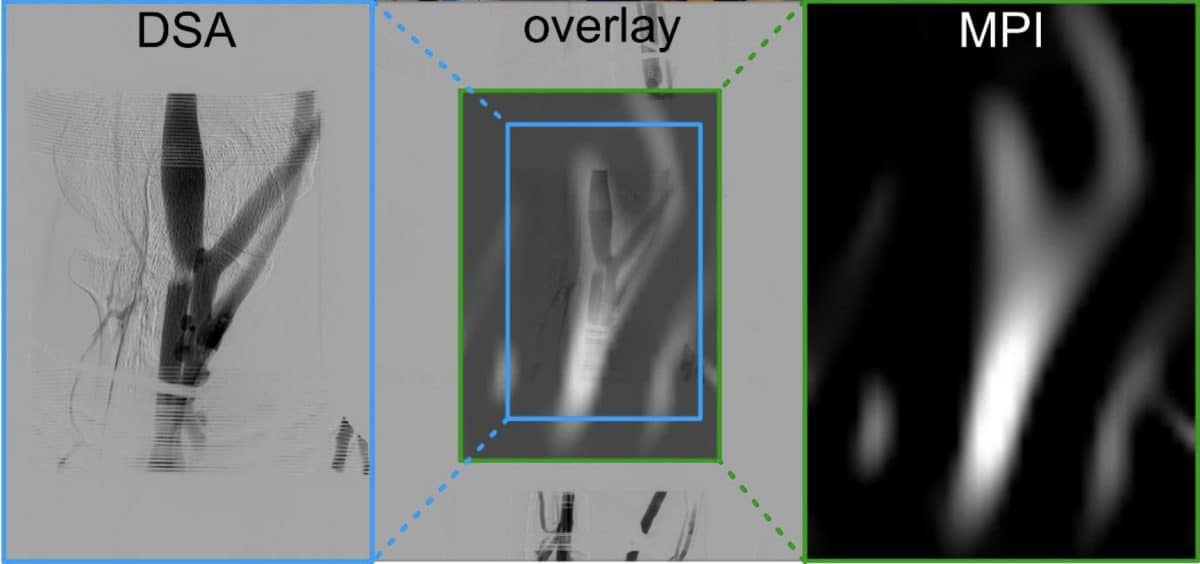
For the first time, magnetic particle tomography has been tested on a human—a technology that enables safe monitoring of blood flow without the use of X-ray radiation. This method could become a new tool for vascular medicine and expand the possibilities of real-time diagnostics.
A new study has shown that even weak magnetic fields can significantly influence the growth and size of nanoparticles in dusty plasma. This discovery opens up possibilities for precise control over the synthesis of nanomaterials and helps to better understand the processes occurring in space.
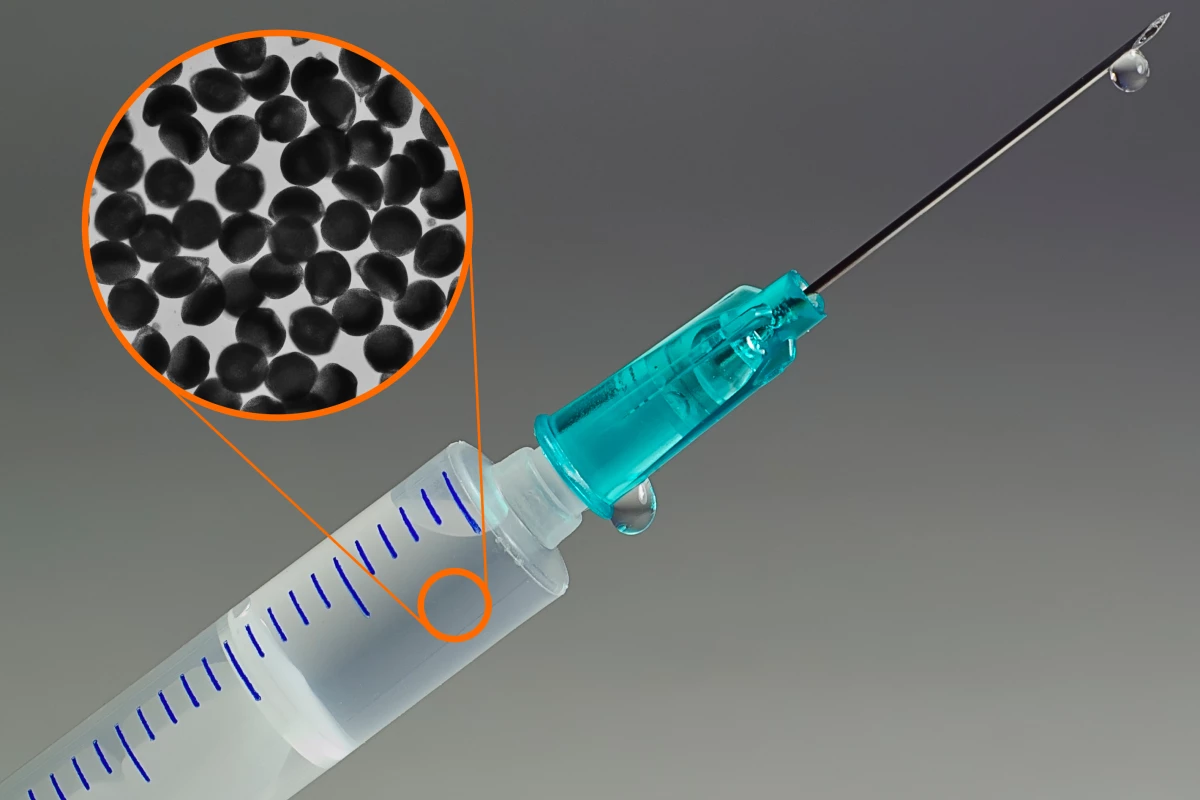
MIT engineers have developed a method to deliver highly concentrated antibody drugs with a single injection instead of lengthy IV infusions, making treatment simpler, faster, and more accessible for patients.
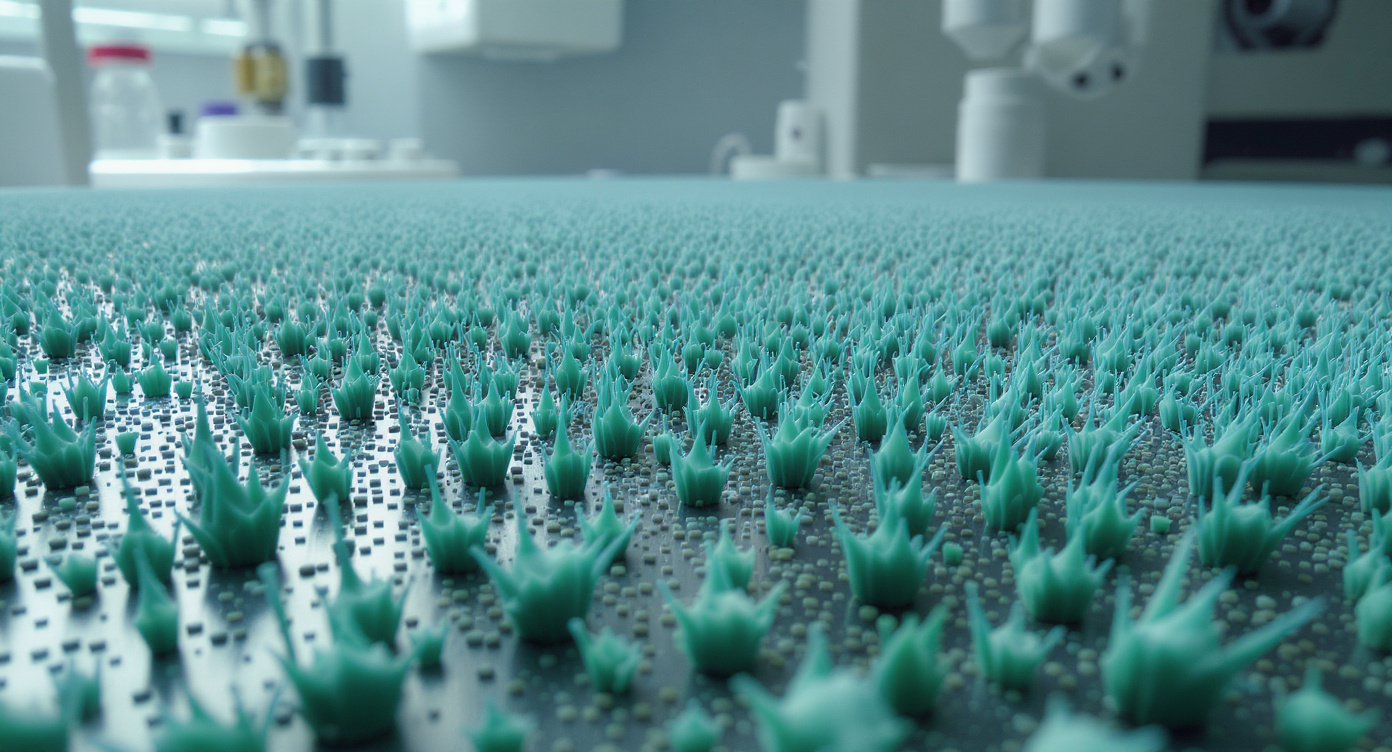
An international team of scientists has developed an innovative antibacterial coating with microscopic spikes that physically destroy bacterial membranes and prevent the formation of dangerous biofilms. The coating is safe for human cells and does not cause bacteria to develop resistance.


 Natura