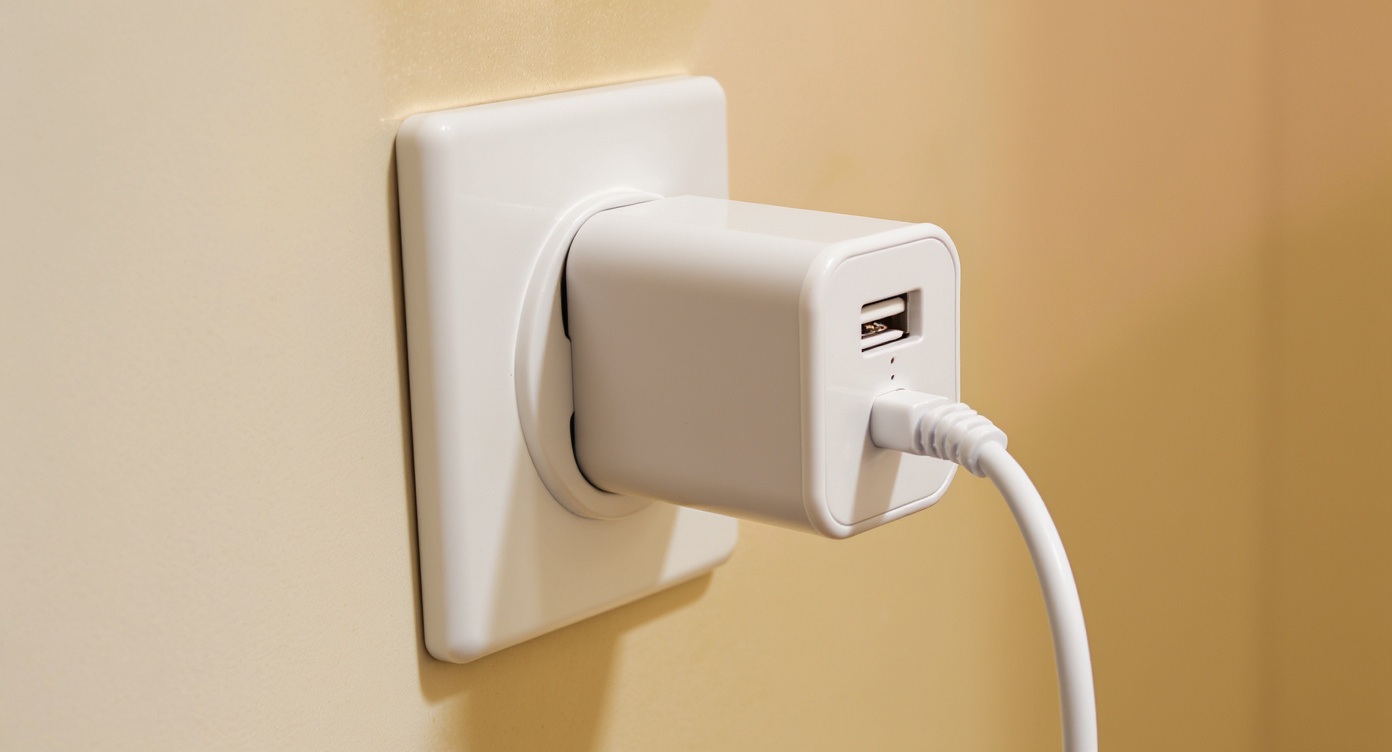
The compact CosmicWatch detector offers a simple and affordable way to detect cosmic particles—muons—opening up new opportunities for education, scientific research, and monitoring of cosmic phenomena. This device is widely used in universities and professional experiments around the world.
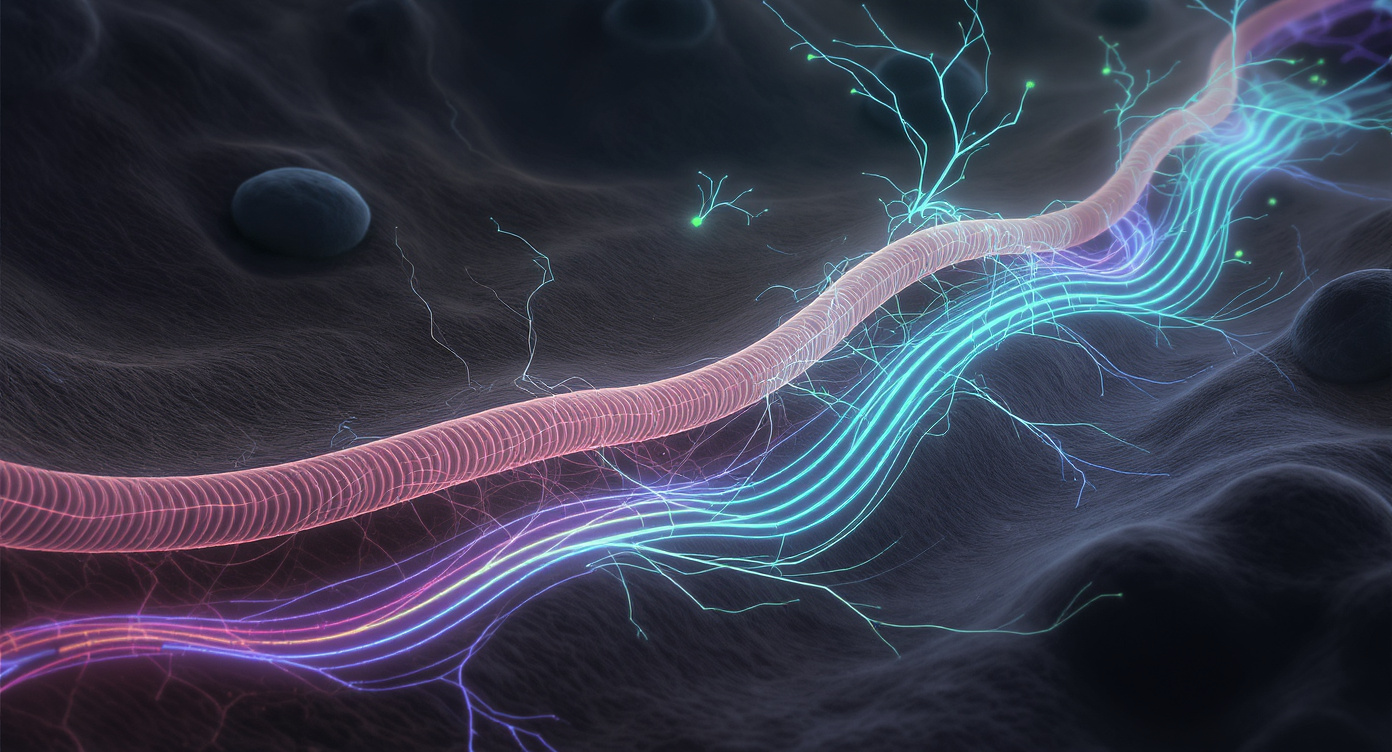
Scientists have discovered a previously unknown intracellular system that speeds up the delivery of proteins to the leading edge of the cell. This finding changes our understanding of the mechanisms behind cell movement, cancer spread, and wound healing, and could also lead to new strategies for combating tumors.
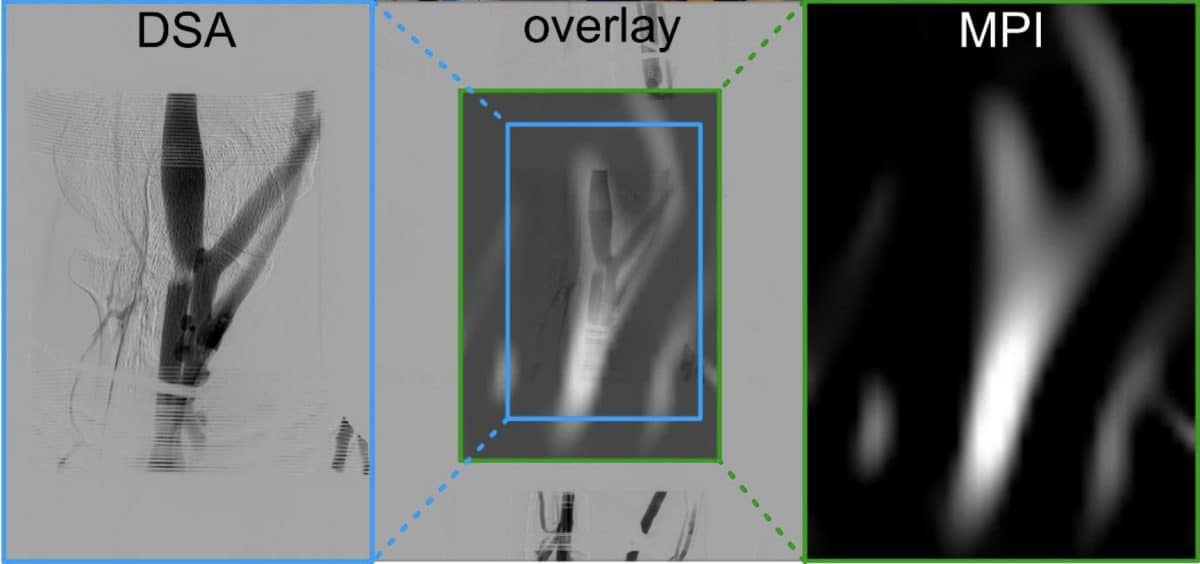
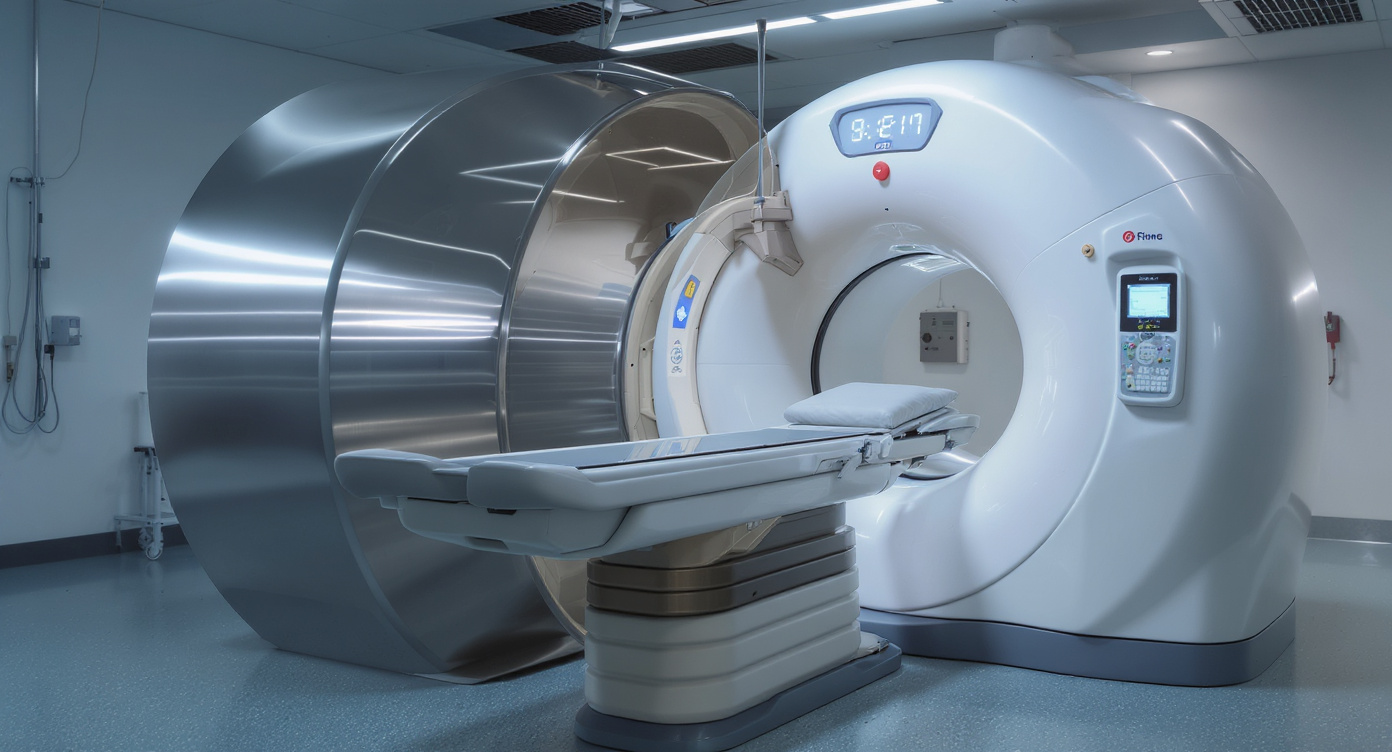
For the first time, magnetic particle tomography has been tested on a human—a technology that enables safe monitoring of blood flow without the use of X-ray radiation. This method could become a new tool for vascular medicine and expand the possibilities of real-time diagnostics.
Scientists have developed an improved method for visualizing the distribution of connectors in lithium-ion batteries, allowing for more precise analysis of their structure. This technology can enhance manufacturing efficiency, speed up charging, and extend battery lifespan.
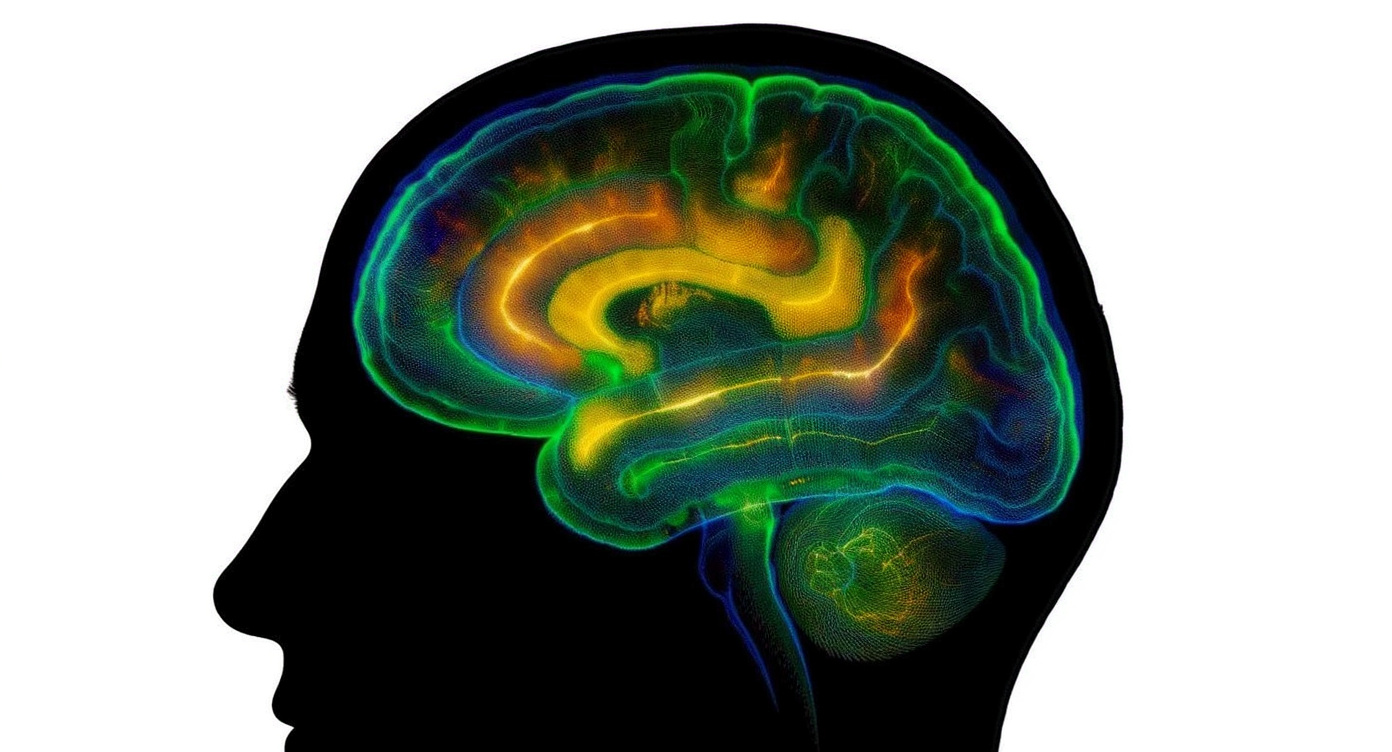
At the University of Michigan, researchers have developed the AI system Prima, which analyzes brain MRI scans and delivers a diagnosis within seconds with an accuracy of up to 97.5%. This technology can assess the urgency of medical intervention and has the potential to significantly reduce the workload for doctors by speeding up and improving the quality of neurological disease diagnostics.
Researchers have developed the ComSLI method, which enables highly accurate and accessible visualization of fiber microstructure in tissues and the brain, including old archival samples. This breakthrough opens up new possibilities for studying tissue changes in diseases and analyzing previously inaccessible information.
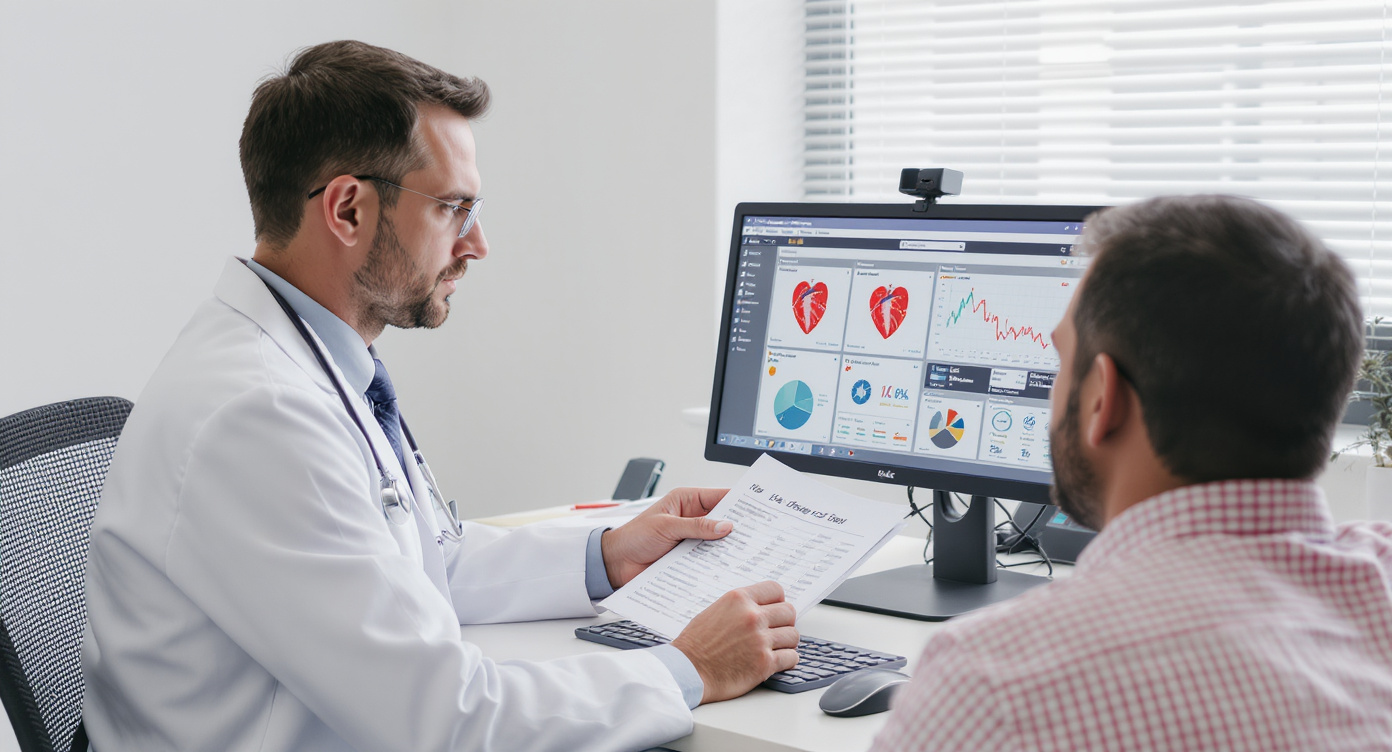
A new study has found that standard methods for assessing heart attack risk fail to identify nearly half of the patients who are actually at risk. The authors urge a reevaluation of current approaches to the prevention and diagnosis of cardiovascular diseases.


 Cursus