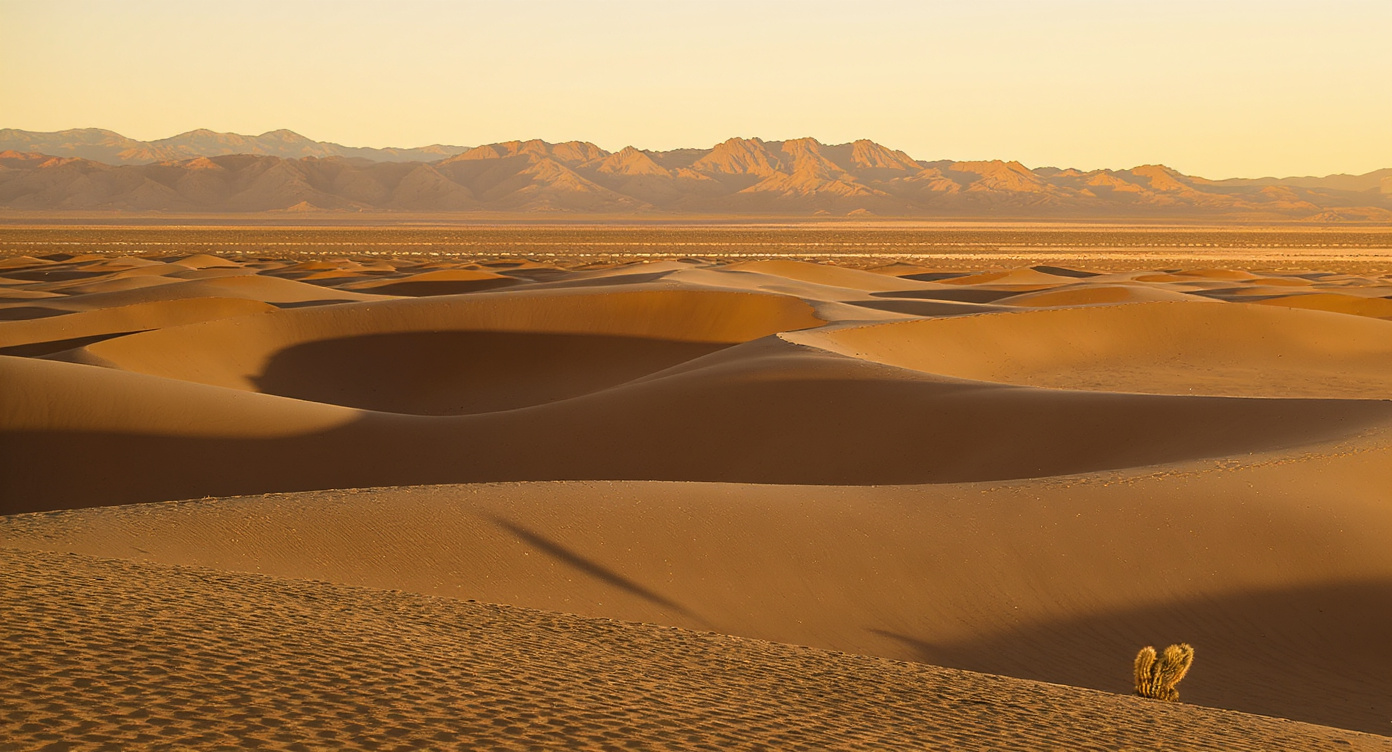
Swedish biologists have discovered that nightingales cross deserts exclusively at night, without feeding and relying on fat reserves accumulated in advance. This strategy helps the birds avoid overheating and predators.
A new study has revealed that beneath the surface of the Atacama Desert lies a more resilient and diverse community of soil organisms than previously thought. These findings help us better understand how life adapts to extreme conditions and how climate change may impact the ecosystems of arid regions.
Scientists from Norway and Japan have developed a method to turn desert sand and organic polymers into an eco-friendly building material, reducing the strain on natural resources. This innovation is particularly promising for arid regions.
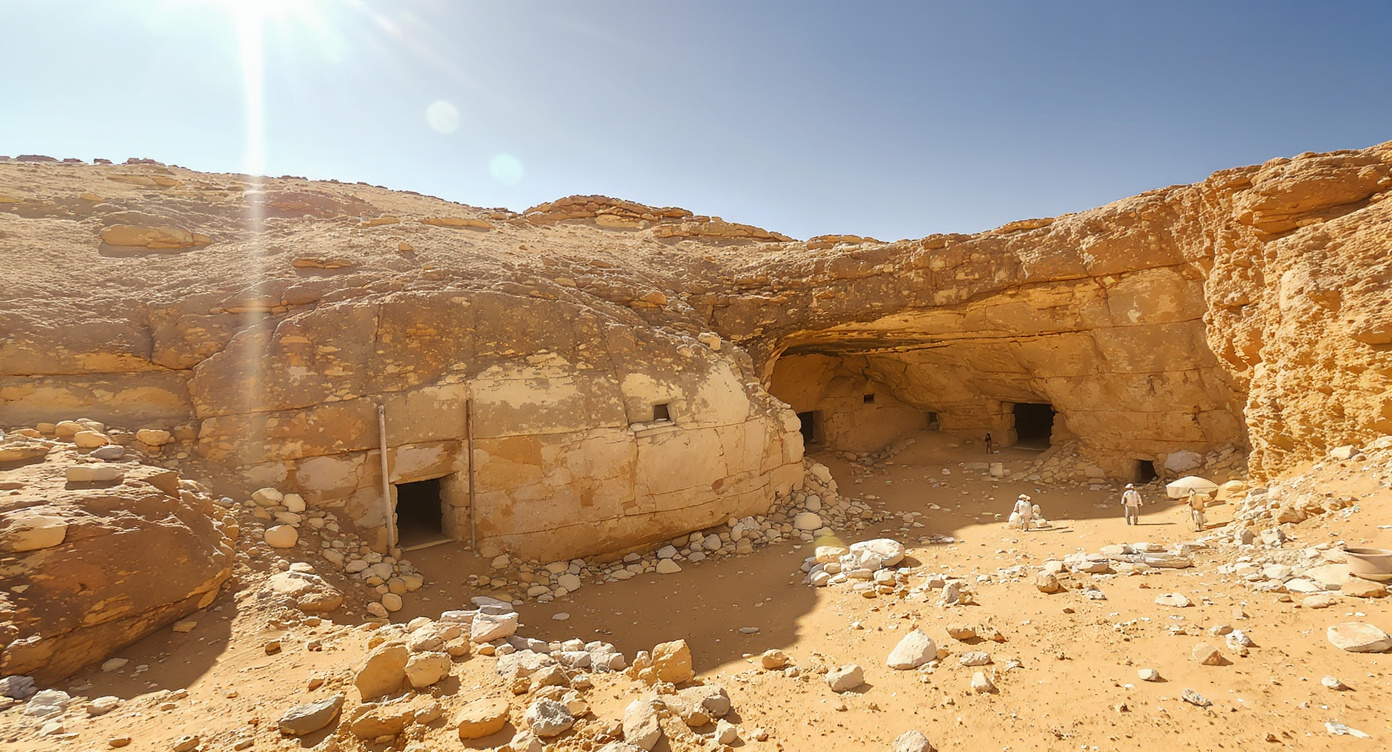
A new study of caves in northeastern Arabia has uncovered traces of ancient humans and animals, helping to reconstruct the region's ecosystems over the past 100,000 years.


 Cursus