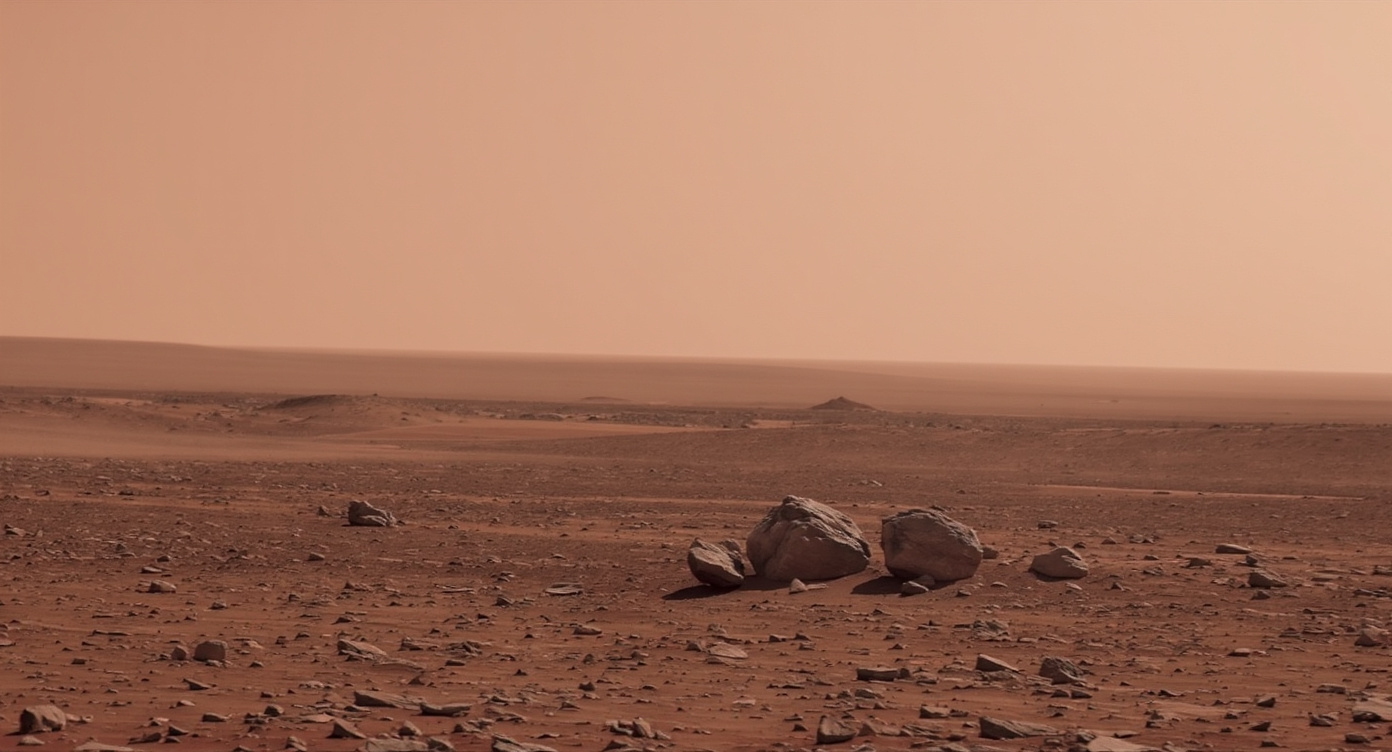
A study of microbial life deep within a meteorite crater in Sweden has revealed that archaea and bacteria can survive and produce methane without access to light or external hydrogen. These findings support the hypothesis that life could potentially exist beneath the surface of Mars.
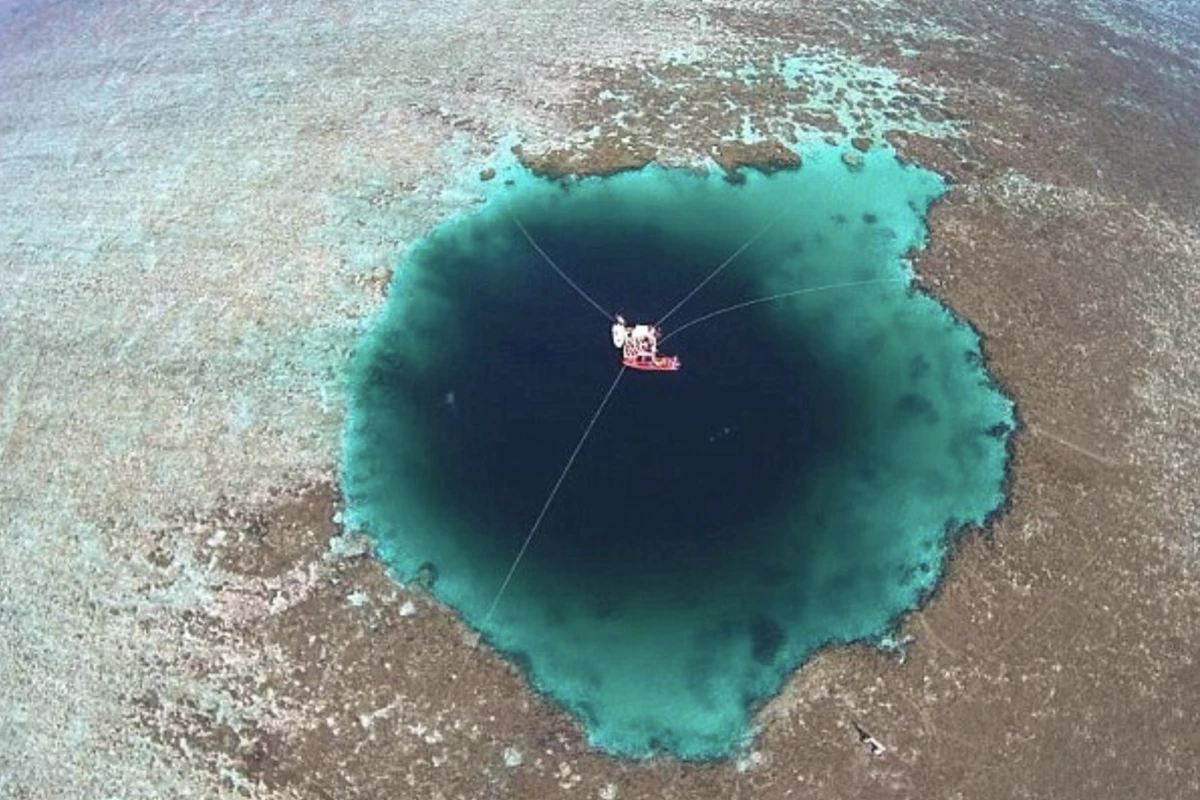
The Dragon Hole in the South China Sea is a unique blue hole where, at great depths, there is almost no oxygen or typical marine life. In its isolated layers, scientists have discovered unusual communities of microbes and viruses, including previously unknown species, making this place a natural laboratory for studying extreme forms of life.
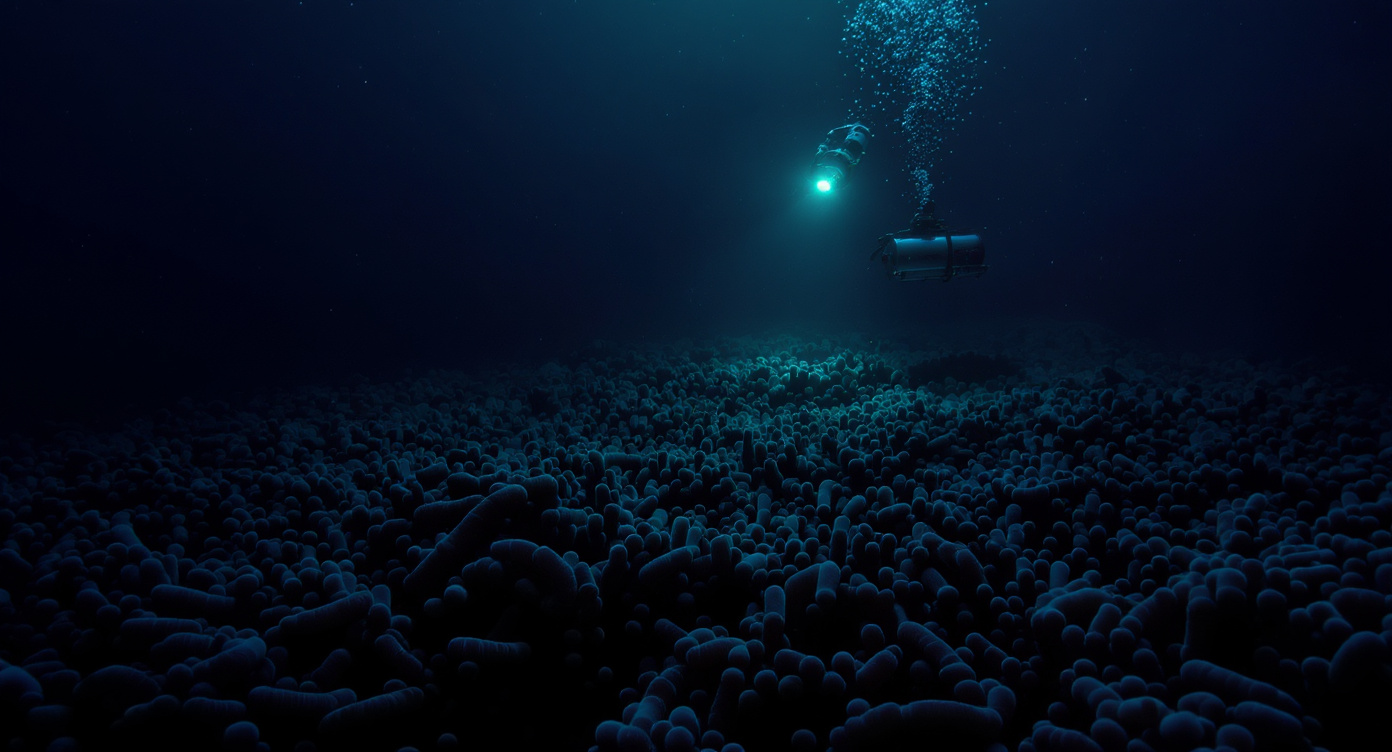
An international team of biologists has discovered a unique ecosystem at the bottom of the Kuril-Kamchatka Trench, thriving at depths of over 9,500 meters thanks to chemosynthesis. This is the deepest community of its kind ever found, challenging previous ideas about life and methane reserves in the ocean.

 Cursus