The study found that even minor earthquakes can temporarily increase the resources available to underground microbes by altering the chemical composition of aquifers. This discovery offers new insights into how life can survive deep within the Earth and potentially on other planets.
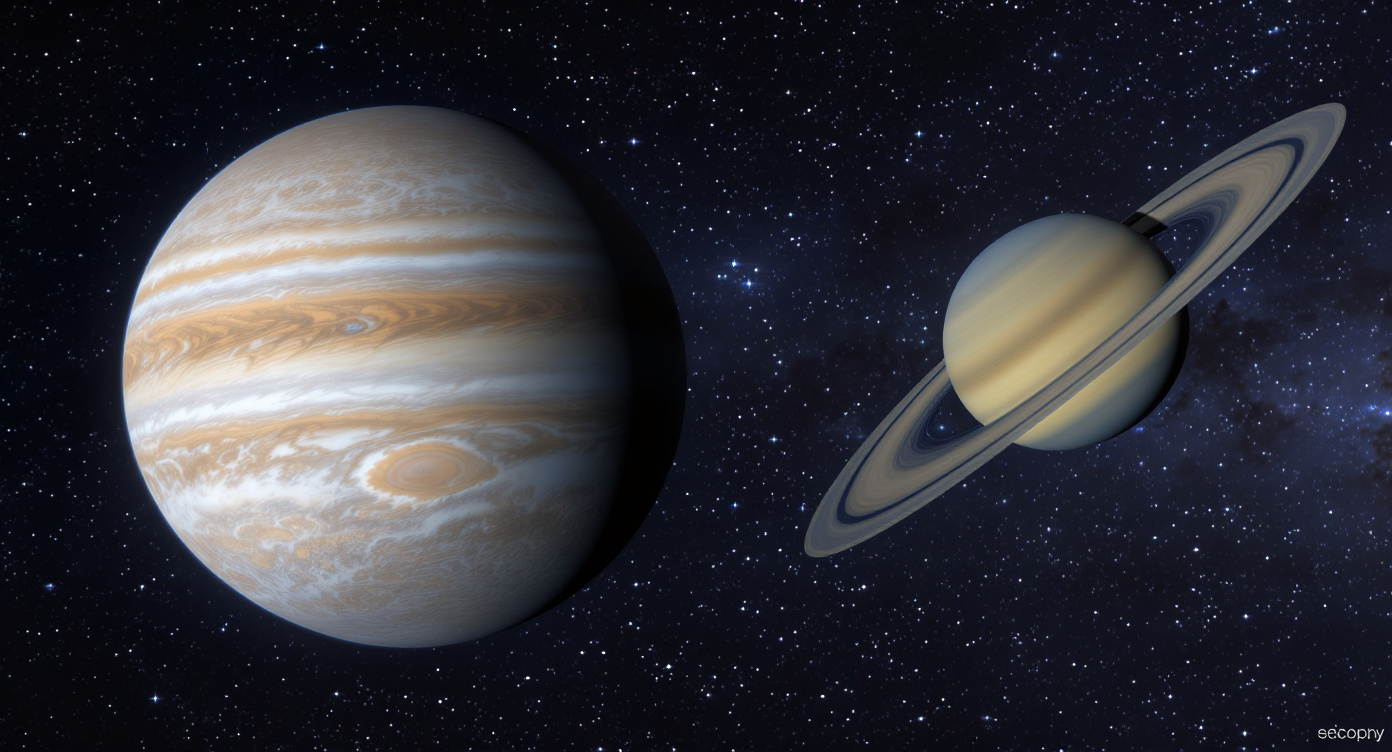
A new study has shown that the atmospheric currents on Jupiter, Saturn, Uranus, and Neptune can be explained by a single physical mechanism—deep convection—rather than differences in their internal structures. This universal approach will help scientists study similar processes on other planets and stars.
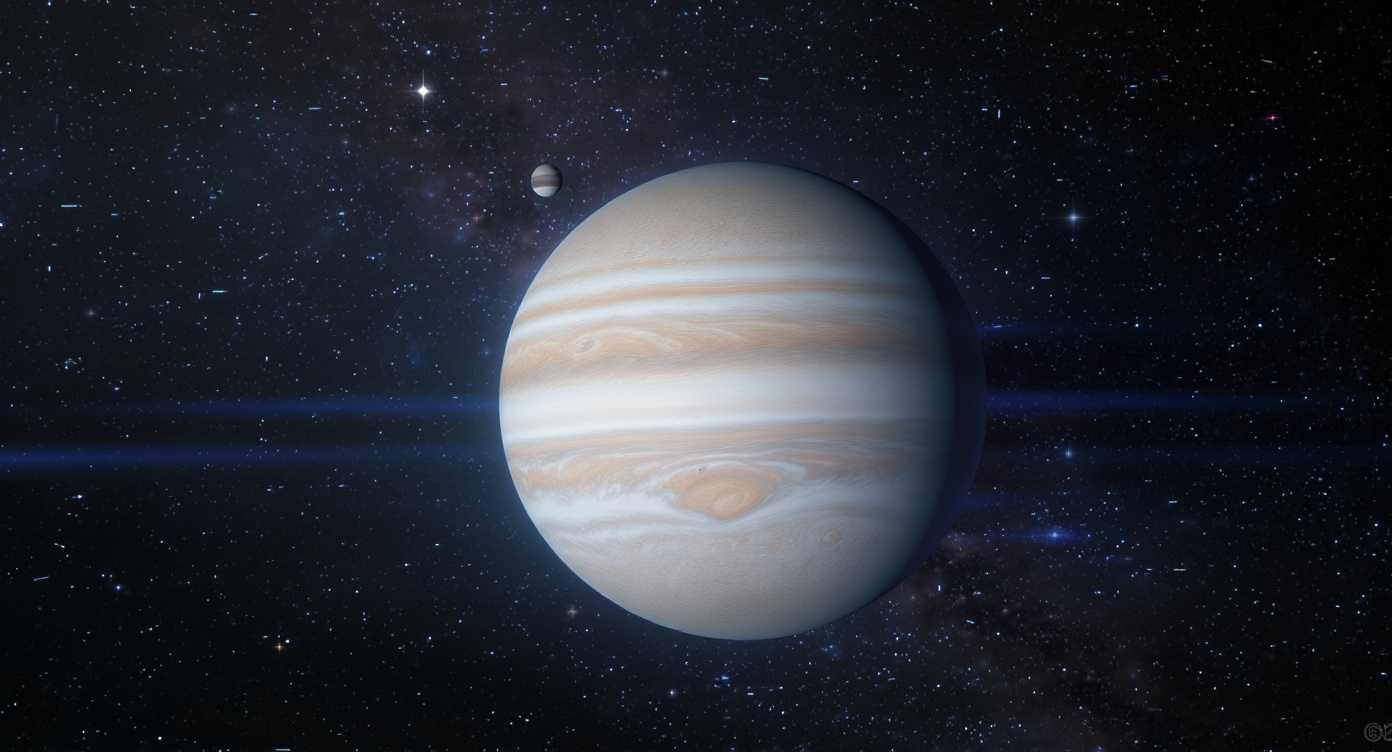
New modeling has shown that water in Jupiter's atmosphere is distributed extremely unevenly due to the complex interaction between precipitation and atmospheric vortices. This discovery will help plan future missions to study gas giants with greater precision.
An international team of scientists has, for the first time, confirmed the existence of massive lava tunnels beneath the surface of Venus, comparable in size to those found on the Moon. This discovery reshapes our understanding of the planet's geology and is significant for future research.

 Cursus