

Bacteria from kimchi can help remove nanoplastics
Scientists have discovered that bacteria from kimchi can bind to and remove nanoplastics from the body, opening up new possibilities for biological methods to combat plastic pollution.
Cursus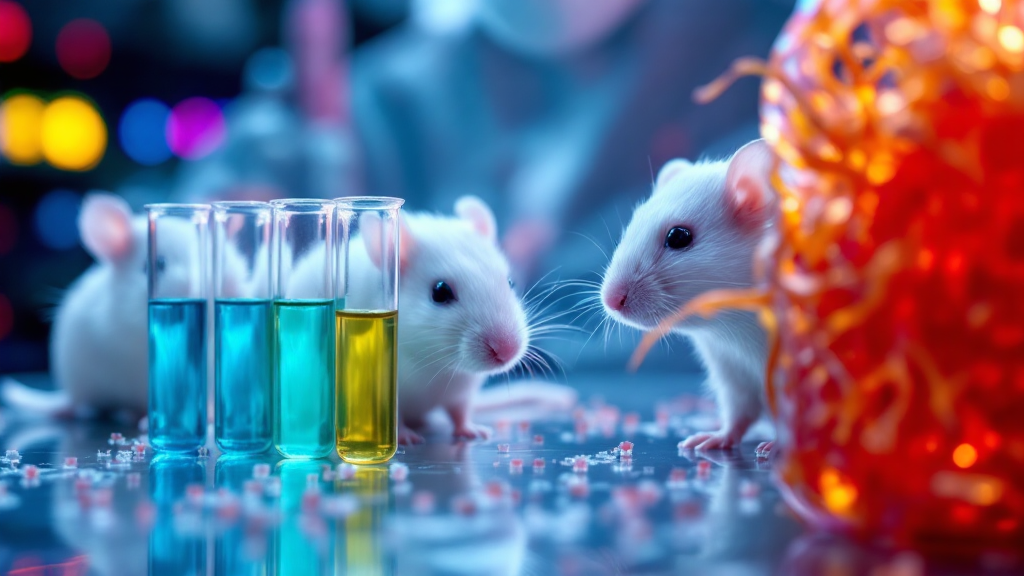
A bacterium found in kimchi has the ability to help remove nanoplastics from the body.
Properties and Impact of Nanoplastics
Nanoplastics are extremely small plastic particles, less than one micrometer in size, that form as larger plastic materials break down. These particles can enter the human body through food and drinking water. Due to their tiny size, nanoplastics can cross the intestinal barrier and accumulate in various organs, including the kidneys and brain. Currently, biological methods to reduce the accumulation of nanoplastics in the gastrointestinal tract are still in the early stages of research.
Study of Bacteria from Kimchi
Researchers have studied the ability of the lactic acid bacterium Leuconostoc mesenteroides CBA3656, isolated from kimchi, to adsorb polystyrene nanoplastics (PS-NPs). In laboratory conditions, this strain demonstrated a high adsorption efficiency of 87%, comparable to the reference strain Latilactobacillus sakei CBA3608 (85%). However, when simulating conditions similar to the human intestine, the efficiency of strain CBA3608 dropped sharply to 3%, while CBA3656 maintained a level of 57%. This indicates that the kimchi-derived bacterium can reliably bind nanoplastics even under conditions close to those in the human body.
Results of Animal Experiments
In experiments with sterile mice, it was found that animals given the CBA3656 strain had more than double the amount of nanoplastics in their feces compared to the control group that did not receive probiotics. This suggests that nanoplastics can be removed from the body by binding them in the gut.
Application Prospects
The data obtained confirm that lactic acid bacteria from kimchi can interact with environmental microcontaminants, going beyond their traditional role in fermentation. These findings open new possibilities for developing biological mechanisms capable of reducing nanoplastic accumulation in the gastrointestinal tract. Plastic pollution is now seen not only as an environmental issue but also as a public health concern. Microorganisms from traditional fermented foods could become a novel biological approach to addressing this challenge. Further research in this area will continue to expand scientific knowledge about the microbial resources of kimchi and their benefits for health and the environment.