

The Modern World Versus Biology: Stress and Health
The modern environment places demands on humans for which evolution has not prepared our bodies. This leads to chronic stress, reduced fertility, and an increase in inflammatory diseases. Researchers believe that to maintain health, it is essential to strengthen our connection with nature and adapt cities to better meet the biological needs of people.
Salus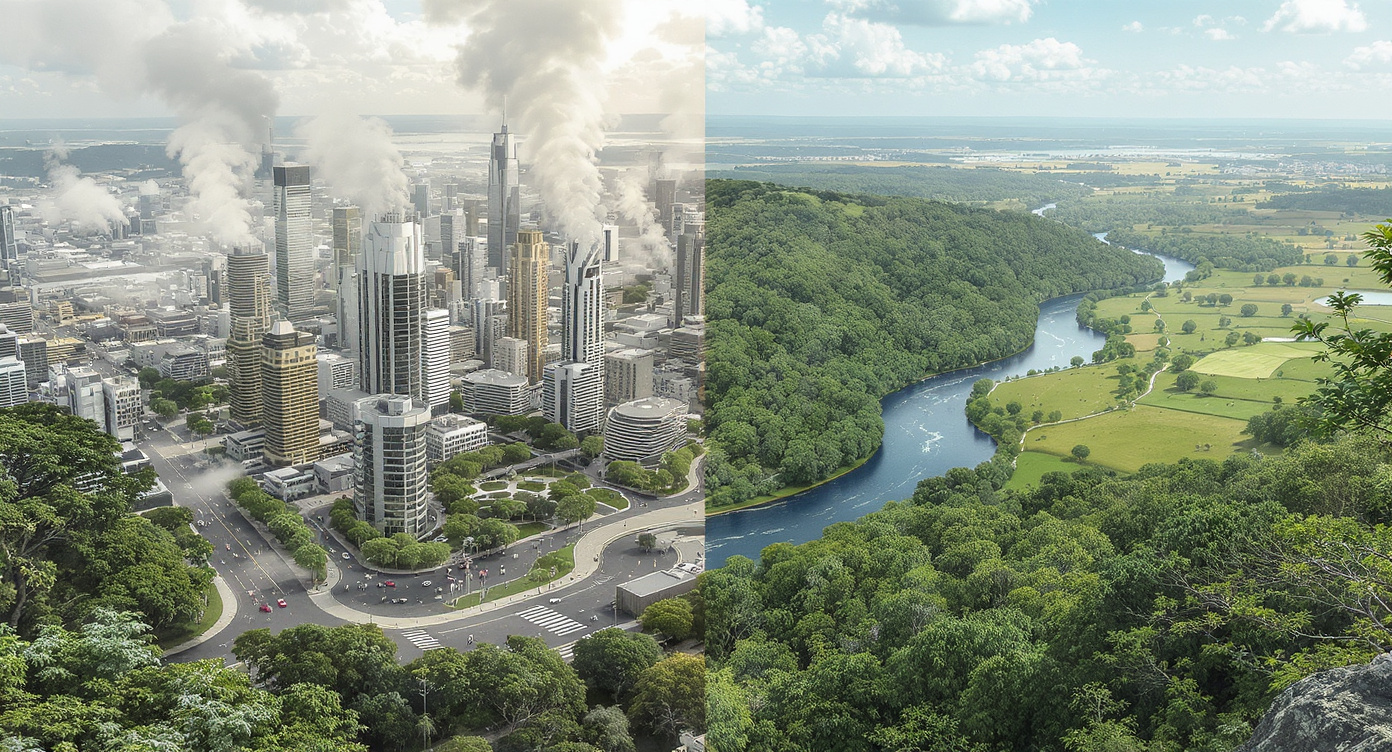
The modern environment imposes biological demands on humans for which evolution has not prepared us. This leads to chronic stress, reduced fertility, and an increase in inflammatory diseases.
The Mismatch Between Evolution and Industrialization
Evolutionary anthropologists Colin Shaw (University of Zurich) and Daniel Longman (Loughborough) point out that the pace of modern development far outstrips the ability of human biology to adapt. Their analysis suggests that chronic stress and many widespread health issues arise from a deep mismatch between our nature-shaped physiology and the highly industrialized environment in which most people now live.
How Human Living Conditions Have Changed
For hundreds of thousands of years, humans evolved to cope with the physical and psychological demands of a hunter-gatherer lifestyle: constant movement, short bursts of intense stress, and daily contact with nature. Industrialization has radically altered these conditions in just a few centuries, introducing noise, air and light pollution, microplastics, pesticides, constant sensory overload, artificial lighting, processed foods, and long periods of sedentary living.
Colin Shaw explains: “In our ancestors’ environment, we were well adapted to acute stress, such as escaping or confronting a predator. A lion would appear from time to time, and you had to be ready to defend yourself or run away. The key point is that the lion would then disappear.” In today’s world, stressors like traffic, workplace pressure, social media, and constant noise activate the same biological mechanisms that once helped us survive predator encounters. However, unlike the quick resolution of stress in the past, modern stressors rarely go away. Longman adds: “Our bodies react as if all these stressors are lions. Whether it’s a tough conversation with your boss or street noise, your stress system responds as if you’re facing lion after lion. As a result, there’s a powerful nervous system reaction, but no recovery.”
The Impact of Industrialization on Health and Reproduction
In their review, Shaw and Longman examine studies showing that the shift to industrial and urban lifestyles reduces human evolutionary fitness. Evolutionary success depends on both survival and reproduction, and according to the authors, both have been negatively affected since the onset of industrialization. They note declining birth rates in many countries and a rise in inflammatory and autoimmune diseases as evidence that the modern environment puts pressure on human biology.
Shaw emphasizes: “The paradox is that, on one hand, we have created immense wealth, comfort, and healthcare for many people on the planet, but on the other, some of these industrial achievements negatively affect our immune, cognitive, physical, and reproductive functions.” One of the most studied examples is the steady decline in sperm count and motility observed since the 1950s. According to Shaw, these trends appear to be linked to environmental factors: “It is believed this is related to pesticides and herbicides in food, as well as microplastics.”
Ways to Support Human Well-being
Technological and environmental conditions continue to change much faster than biological evolution can keep up. “Biological adaptation is very slow. Long-term genetic changes take tens or hundreds of thousands of years,” notes Shaw. According to researchers, this means the mismatch between human physiology and modern living conditions cannot be corrected through natural evolution alone. Instead, societies must take active steps to reduce these pressures, strengthen our connection with nature, and create healthier, more sustainable environments.
Addressing this mismatch requires both cultural and ecological changes. Shaw suggests viewing nature as a vital component of public health, protecting and restoring landscapes reminiscent of those in which humans evolved. He also advocates rethinking urban planning to better align with human physiology and reduce harmful exposures. “Our research can identify which stimuli most strongly affect blood pressure, heart rate, or immune function, and share this knowledge with decision-makers,” says Shaw. “We need to organize cities properly—and at the same time restore, value, and spend more time in natural environments.”