

Mamba venom turned out to be more complex — why antidotes don't always work
A new study has shown that mamba venom acts in a more complex way than previously thought and can trigger unpredictable reactions even after the administration of an antidote. This discovery could help develop more effective treatments for snakebites.
Cursus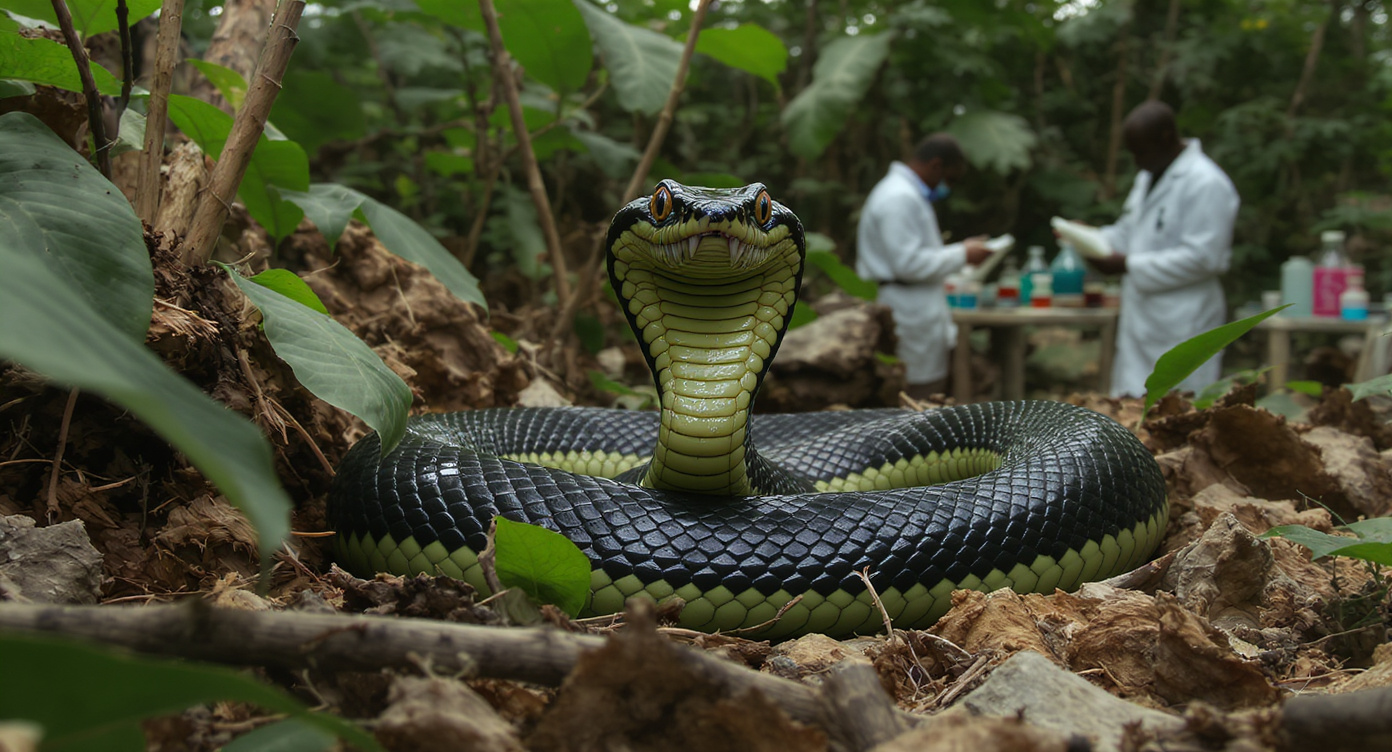
Black mambas and other members of this genus, which inhabit Africa south of the Sahara, are considered among the most venomous snakes on the planet. Without timely administration of antivenom, their bites often prove fatal. Doctors have noted that after receiving the antidote, some patients initially improved, but then developed severe, uncontrollable muscle spasms. A new international study has uncovered the reason behind this phenomenon.
The Complexity of Mamba Venom Action
Scientists from Australia, Germany, and Spain, specializing in toxicology, pharmacology, and biology, discovered that the toxins in the venom of three out of four known mamba species (Dendroaspis) act in a much more complex way than previously thought. The study, published in the journal Toxins, focused on the black mamba (Dendroaspis polylepis), the green mamba (Dendroaspis viridis), and Jameson's mamba (Dendroaspis jamesoni).
Experiments and New Discoveries
In laboratory experiments using nerve-muscle preparations from chick tissue, researchers observed how snake venom works and how antidotes neutralize it. They found that the toxins attack the nervous system at two different points. First, peripheral or flaccid paralysis develops: the venom blocks the transmission of nerve signals to the muscles. Existing antivenoms successfully eliminate this effect. However, after neutralizing the first phase, the venom's action shifts to another part of the nerve fibers, causing increased muscle tone and involuntary contractions—known as spastic paralysis.
Previously, it was believed that only the venom of the eastern green mamba (Dendroaspis angusticeps), the fourth species in the Dendroaspis genus, could cause such a reaction. The new data disproved this view and explained why some victims experience worsening symptoms after receiving standard antivenoms.
The Impact of Geographic Differences
Researchers also found that the effects of mamba venom can vary depending on the region where the snakes live. For example, differences were observed between black mambas from Kenya and those from South Africa. This further complicates the treatment of bite victims, as not all existing antivenoms are equally effective against different snake populations.
Practical Significance of the Study
Given that tens of thousands of people fall victim to mamba bites each year, the authors emphasize the importance of their findings. A deeper understanding of the range of venom activity and the reasons why antidotes may fail will help developers create more effective antivenoms capable of saving more lives.