

New strains of bacteria discovered in pygmy sperm whales
Scientists have discovered three previously unknown genotypes of Helicobacter bacteria in pygmy sperm whales, which may be linked to diseases of their gastrointestinal tract. This finding raises important questions about the impact of bacterial infections on the health of marine mammals and the overall state of ocean ecosystems.
Cursus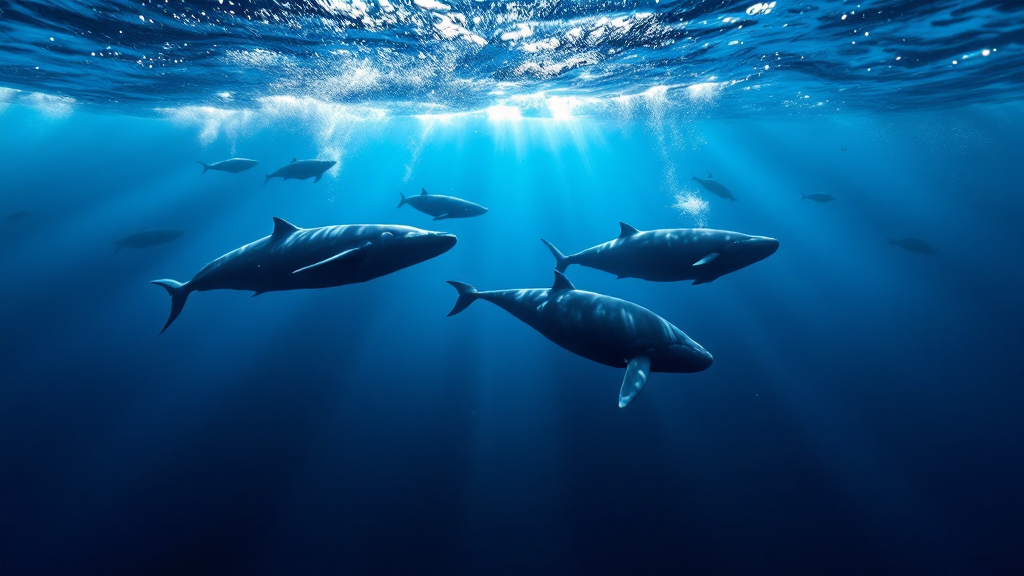
Pygmy sperm whales (Kogia breviceps) remain among the least studied marine mammals. These animals spend most of their lives far from shore, typically moving in small groups and making deep dives in search of squid and fish. Because of their elusive nature and rare appearances at the surface, observing them in their natural habitat is extremely challenging.
Most of what we know about pygmy sperm whales comes from studying stranded individuals. Such strandings are especially common in the southeastern United States, where this species is found more frequently than other large marine mammals.
Research on stranded whales has revealed a number of recurring medical issues, including stomach ulcers. In some cases, these ulcers were linked to bacteria of the genus Helicobacter, which can inhabit the gastrointestinal tracts of various animals, including humans and whales. Analysis of data collected over more than 20 years, along with preserved tissue samples, allowed specialists to identify three previously unknown Helicobacter genotypes.
This study marks the first confirmed discovery of new bacterial genotypes in pygmy sperm whales. The new strains have been designated Kogia Helicobacter 1, 2, and 3. In addition to providing new information about this little-known whale species, the findings raise questions about the impact of bacterial infections on the health of marine animals and the state of ocean ecosystems.
Helicobacter has long been associated with gastrointestinal diseases in humans and animals, including chronic gastritis, ulcers, and even stomach cancer. The discovery of new strains of these bacteria in deep-diving whales is of significant scientific interest.
From 1999 to 2020, FAU Harbor Branch specialists recorded 59 cases of pygmy sperm whale strandings, with necropsies performed in 80% of these cases. In four instances, spiral-shaped bacteria were found in stomach tissues. Further analysis of preserved samples using histopathology, molecular tests, and DNA sequencing revealed several previously unknown Helicobacter genotypes.
Two of these, Kogia Helicobacter 1 and 2, are genetically similar to types previously found in other cetaceans, such as dolphins and porpoises, as well as in humans. The third genotype, Kogia Helicobacter 3, belongs to a more distinct lineage, suggesting that many more undiscovered bacteria may exist in the ocean.
Both genotypes—Kogia Helicobacter 1 and 3—were found in the stomach lining of one whale. All four individuals in which Helicobacter bacteria were detected showed signs of gastrointestinal disease: gastritis, stomach ulcers, fibrosis, and nematode infection. In one case, colitis was also observed, indicating that the infection may have spread beyond the stomach. Although Helicobacter was not identified as the cause of death in any of the whales, the lesions found raise questions about its role in the development of gastrointestinal diseases.
The researchers did not conclude that Helicobacter was the direct cause of death in these animals. However, the recurring cases of inflammation, ulcers, tissue scarring, and other digestive problems suggest that these bacteria may contribute to the development of chronic diseases.
Helicobacter was first detected in marine mammals in 2000. Since then, related bacteria have been found in various cetacean species worldwide. In some cases, infection was accompanied by reduced energy, loss of appetite, regurgitation, stomach ulcers, and inflammation. Many of these symptoms are similar to those seen in human infections.
Whales, like humans, may be susceptible to certain microbial infections that are only beginning to be studied. If chronic Helicobacter infections do indeed cause health problems in these animals, this could affect not only individual whales but entire populations, especially in species that are already threatened.
Studying pygmy sperm whales at sea is extremely difficult, so it remains unknown how widespread these new bacteria are and how significantly they affect the animals in the long term. Further research is needed to determine whether these infections contribute to disease, strandings, or population-level problems.
The project brought together experts from FAU Harbor Branch, the University of Florida College of Veterinary Medicine, Colorado State University, and Marine Mammal Pathology Services.
This study highlights the importance of long-term marine mammal stranding response programs. Without the ability to study stranded animals over decades, these bacteria would not have been discovered. Each whale provides unique data that can open new scientific horizons.