

Archived cans reveal secrets of ocean ecosystems
Scientists studied old canned salmon to track changes in parasites in the fish over 42 years and assess the health of Alaska's marine ecosystems. This approach helps to understand long-term trends in the ocean and the impact of environmental factors on food chains.
Cursus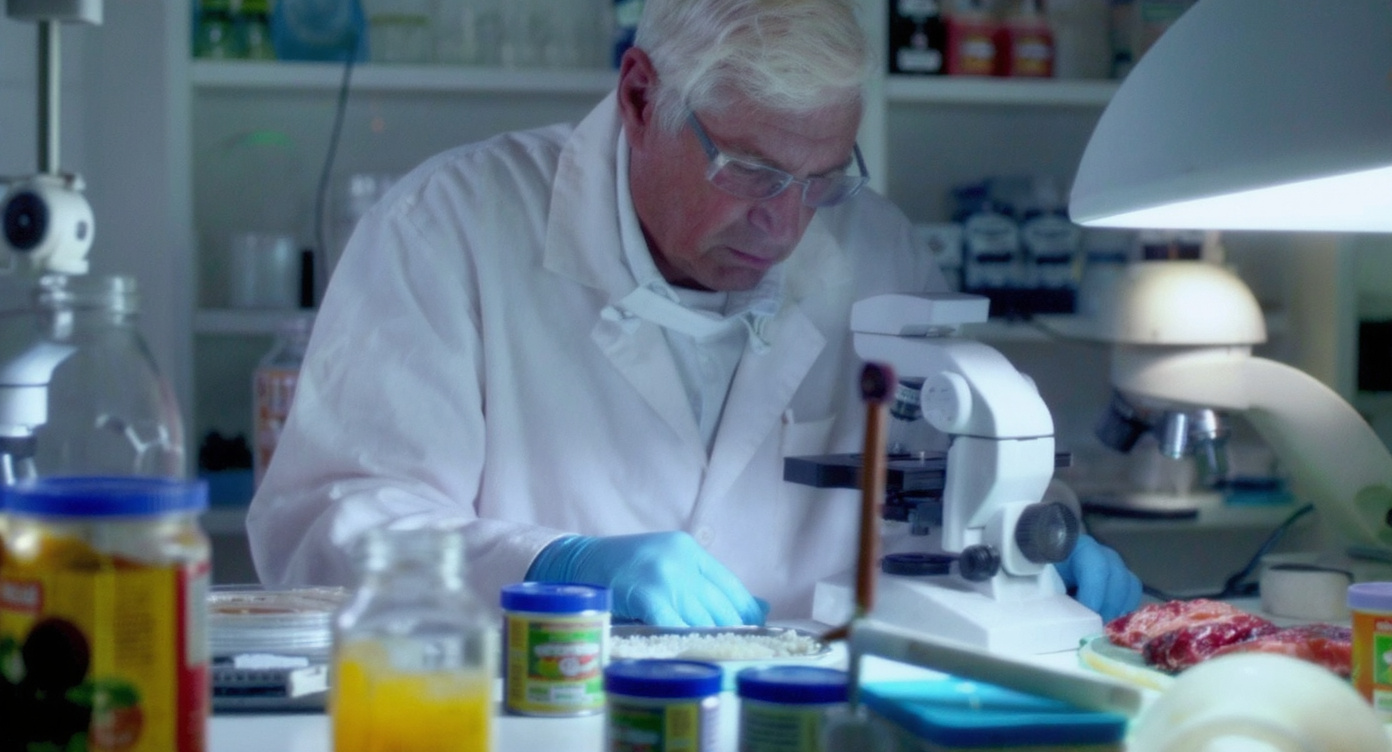
The waters of Alaska support one of the world's largest salmon fisheries, made possible by complex marine food webs. Researchers are studying how these systems are changing under the influence of climate factors, but reliable samples from past decades are difficult to obtain.
Using Archived Canned Salmon to Study Parasites
In a unique scientific approach, instead of analyzing modern samples, researchers examined old cans of salmon containing fillets from four species caught over 42 years in Alaska and Bristol Bay. A total of 178 cans were opened, and each sample was carefully examined for anisakid worms—tiny parasitic worms found in fish flesh. While these parasites are destroyed during canning and pose no risk to consumers, they provide valuable scientific information.
Parasites as Indicators of Ecosystem Health
Finding worms in fish is often seen as alarming, but their presence can actually indicate a healthy marine ecosystem. The life cycle of anisakids involves multiple host species, so their abundance reflects the overall state of the food web. An increase in parasite numbers can point to long-term trends in the ocean.
Trends in Parasite Abundance
A study published in the journal Ecology & Evolution found that the level of anisakid parasites in chum and pink salmon increased from 1979 to 2021, while levels in sockeye and coho salmon remained stable. The rise in parasite numbers may signal a stable or recovering ecosystem, where enough suitable hosts are present to complete the anisakid life cycle.
The Anisakid Life Cycle
Anisakid worms begin as free-swimming organisms in the ocean, then enter the food chain through small animals like krill. As infected prey are eaten by predators, the parasites move up the food web, eventually reaching marine mammals, where they reproduce. If any host is missing, the parasite's life cycle is interrupted and their numbers decline.
Impact on Humans
Humans are not part of the anisakid life cycle. When fish is properly cooked, there is no risk of infection, as the parasites are killed by heat. However, eating raw or undercooked fish can lead to illness with symptoms similar to food poisoning.
Sources of Samples
The canned salmon used in the study was provided by a Seattle-based trade organization that had stored them for quality control purposes. For analysis, the research team carefully separated the fillets and counted the parasites using a microscope.
Reasons for the Increase in Parasite Numbers
One key factor in the rise of anisakid numbers may be the recovery of marine mammal populations following the Marine Mammal Protection Act of 1972. Ocean warming and improved environmental conditions due to ecological legislation may also play a role.
Differences Among Salmon Species
The stable parasite levels in coho and sockeye salmon are harder to explain, as there are many anisakid species, each dependent on its own combination of hosts. The canning process preserves the external structure of the worms but destroys internal features needed for precise species identification.
New Opportunities for Studying Historical Ecosystems
Analyzing archived seafood products, such as canned salmon or sardines, opens new possibilities for studying changes in marine ecosystems over time. This approach can help uncover new sources of historical data and expand our understanding of ocean conditions in different eras.