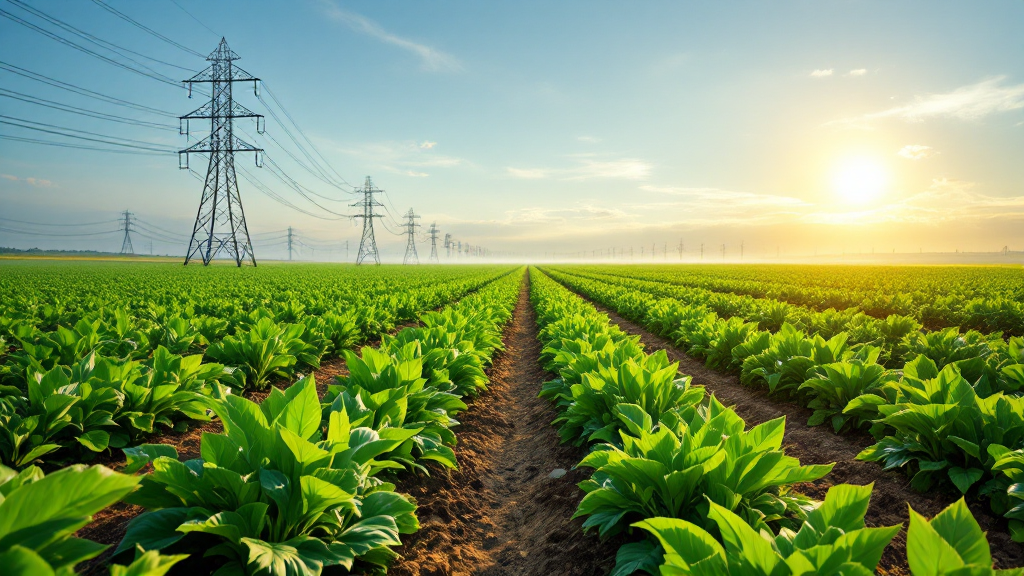
Irrigation in U.S. agriculture helps increase crop yields without expanding cultivated land, which prevents greenhouse gas emissions from converting natural areas. Efficient water use and the adoption of environmentally friendly technologies can further enhance the climate performance of the agricultural sector.
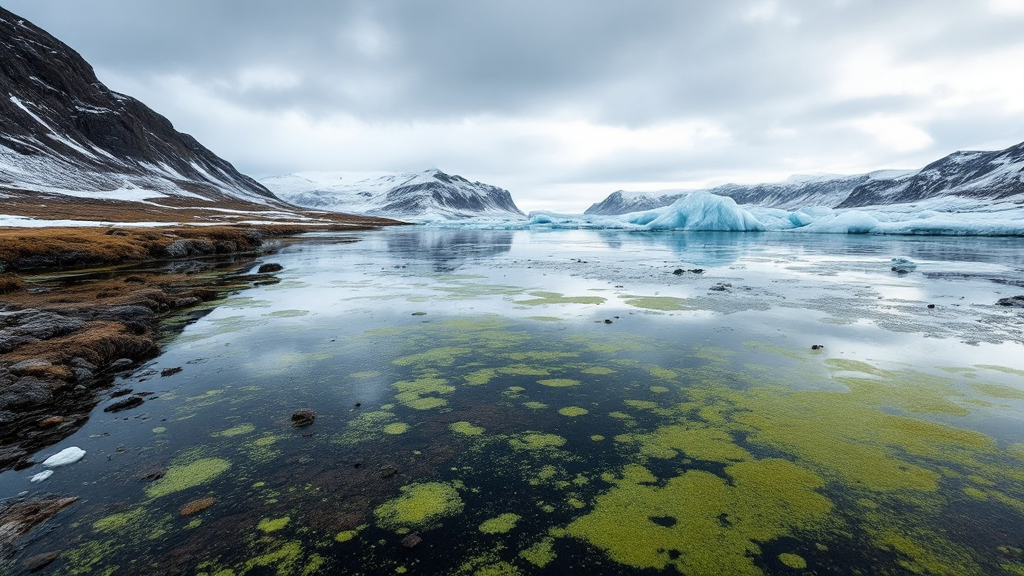
The Arctic permafrost holds vast reserves of organic carbon, which can be released into the ocean as it thaws and influence the climate. Recent studies show that only a portion of this carbon turns into greenhouse gases, while most of it remains on the ocean floor. This finding is crucial for predicting future climate changes.
Slowing of the major Atlantic Ocean current could intensify storms along the California coast and reduce snowfall in Greenland. A new study highlights how changes in the ocean can impact extreme weather events and water resources across different continents.
A study has shown that the contribution of artificial intelligence to global greenhouse gas emissions remains minimal, despite increasing energy consumption. At the same time, AI can help advance environmentally friendly technologies and reduce negative impacts on the environment.
A new study has shown that raising groundwater levels in Arctic peatlands significantly reduces CO2 emissions without increasing methane or nitrous oxide emissions. Effective emissions management requires a comprehensive approach that takes into account local conditions and agricultural practices.
In 2025, the world’s oceans reached record levels of heat accumulation, intensifying extreme weather events and impacting the global climate system. The study highlights the urgent need to reduce emissions and take collective action to preserve a stable and favorable climate.
A new study has shown that persistent cooling south of Greenland is linked to a weakening of the Atlantic Meridional Overturning Circulation, which could significantly impact the climate of Europe and North America.

 Agros
Agros