 Agros
AgrosAgriculture and agribusiness · Irrigation SystemsAgriculture and agribusiness · Crop ProductionAgriculture and agribusiness · Agro-industry
Irrigation reduces emissions and preserves U.S. land
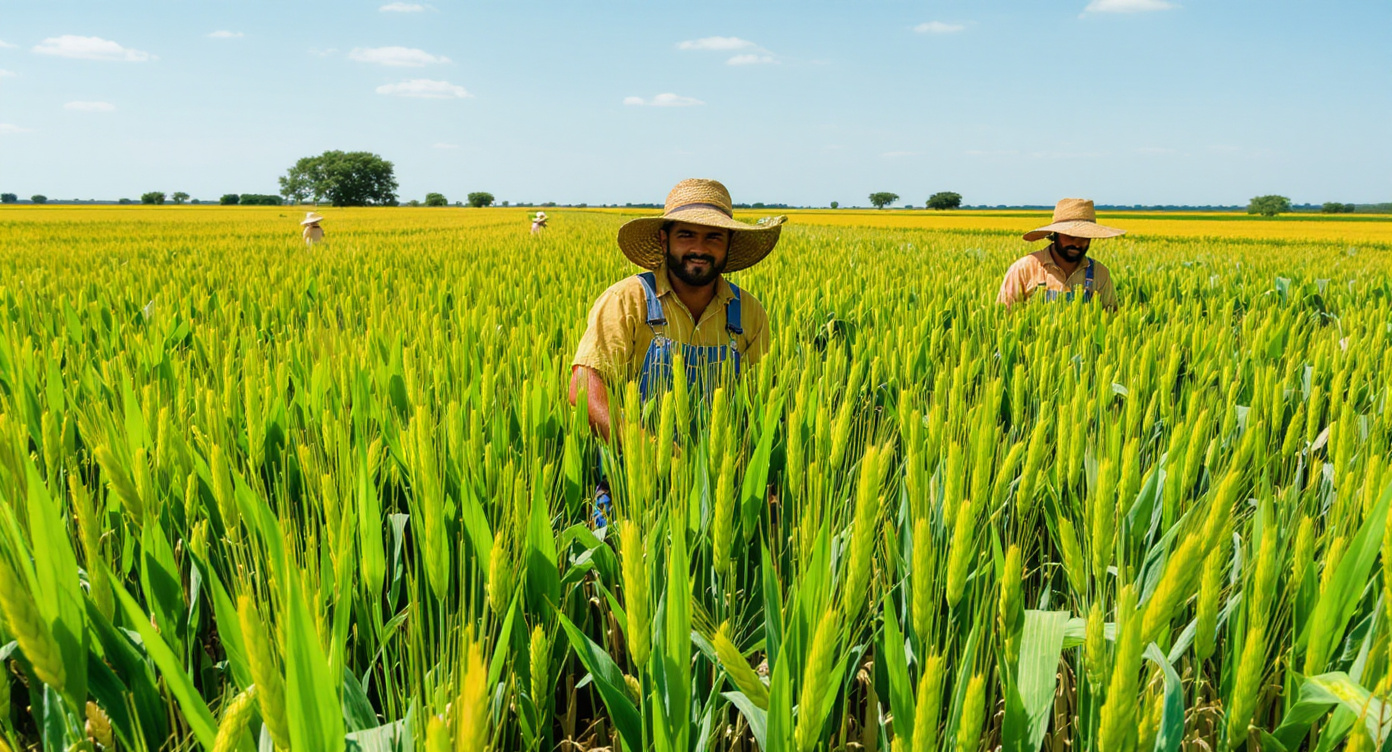
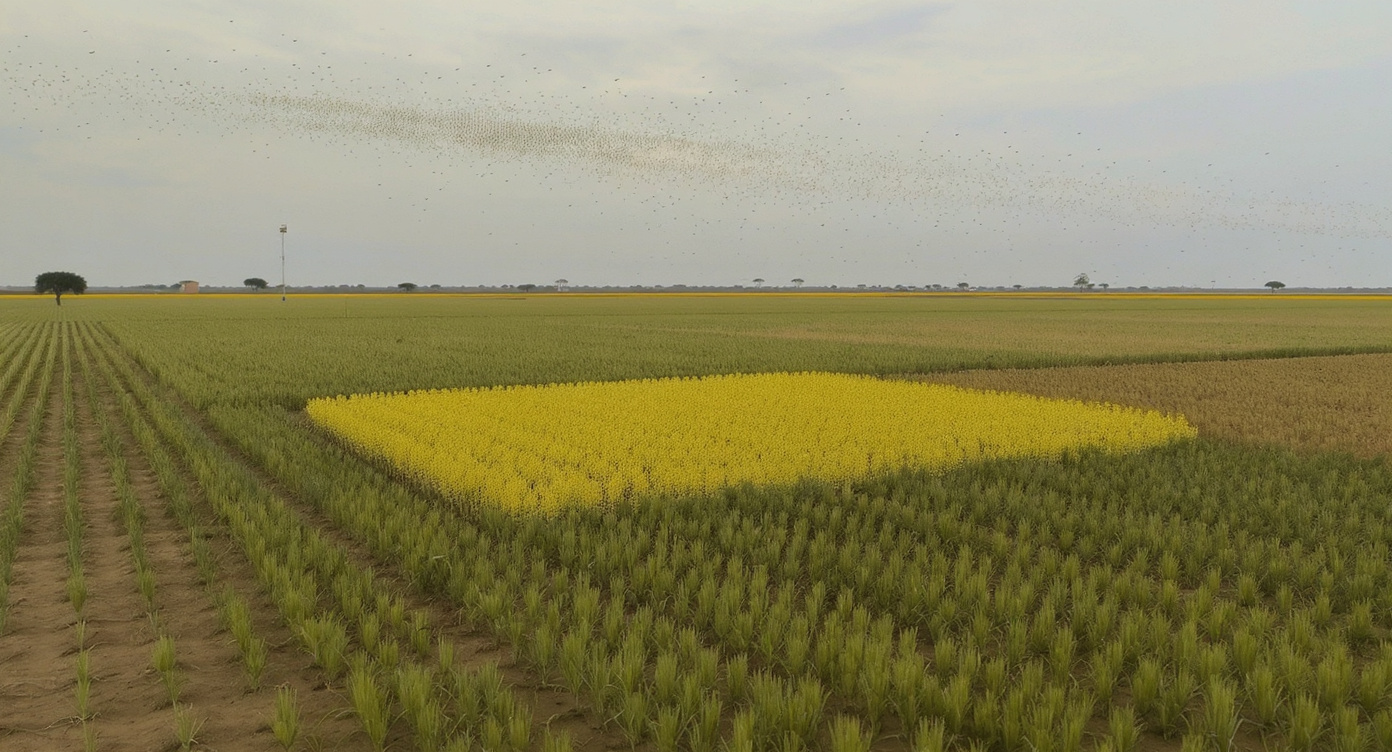
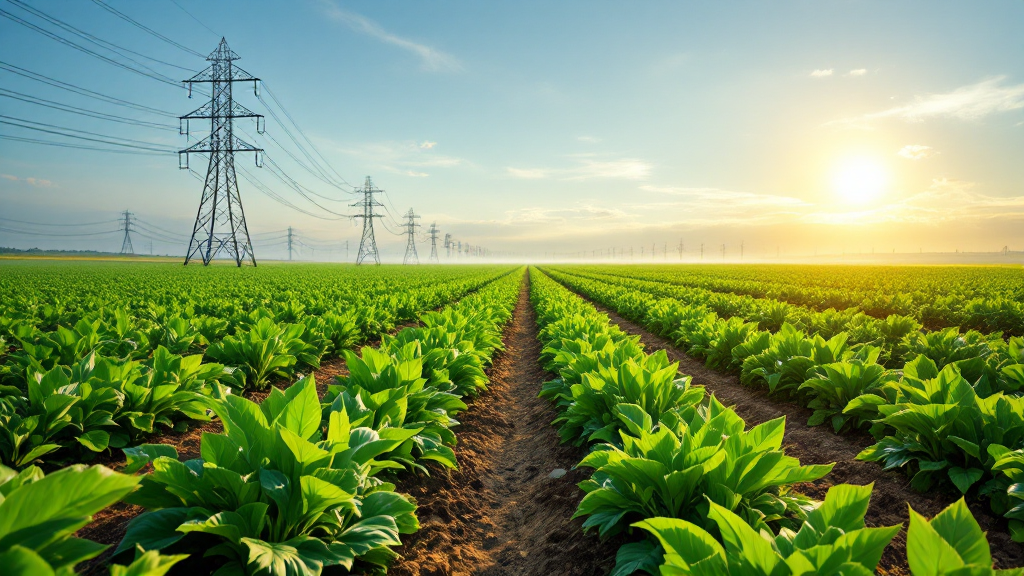
Irrigation in U.S. agriculture helps increase crop yields without expanding cultivated land, which prevents greenhouse gas emissions from converting natural areas. Efficient water use and the adoption of environmentally friendly technologies can further enhance the climate performance of the agricultural sector.
0 —