

Air conditioners save elderly lives during heatwaves
Every year, around five million people die due to abnormal temperatures, but such deaths are often not linked to the weather. A new study has shown that air conditioning in nursing homes significantly reduces mortality among the elderly during heatwaves.
Salus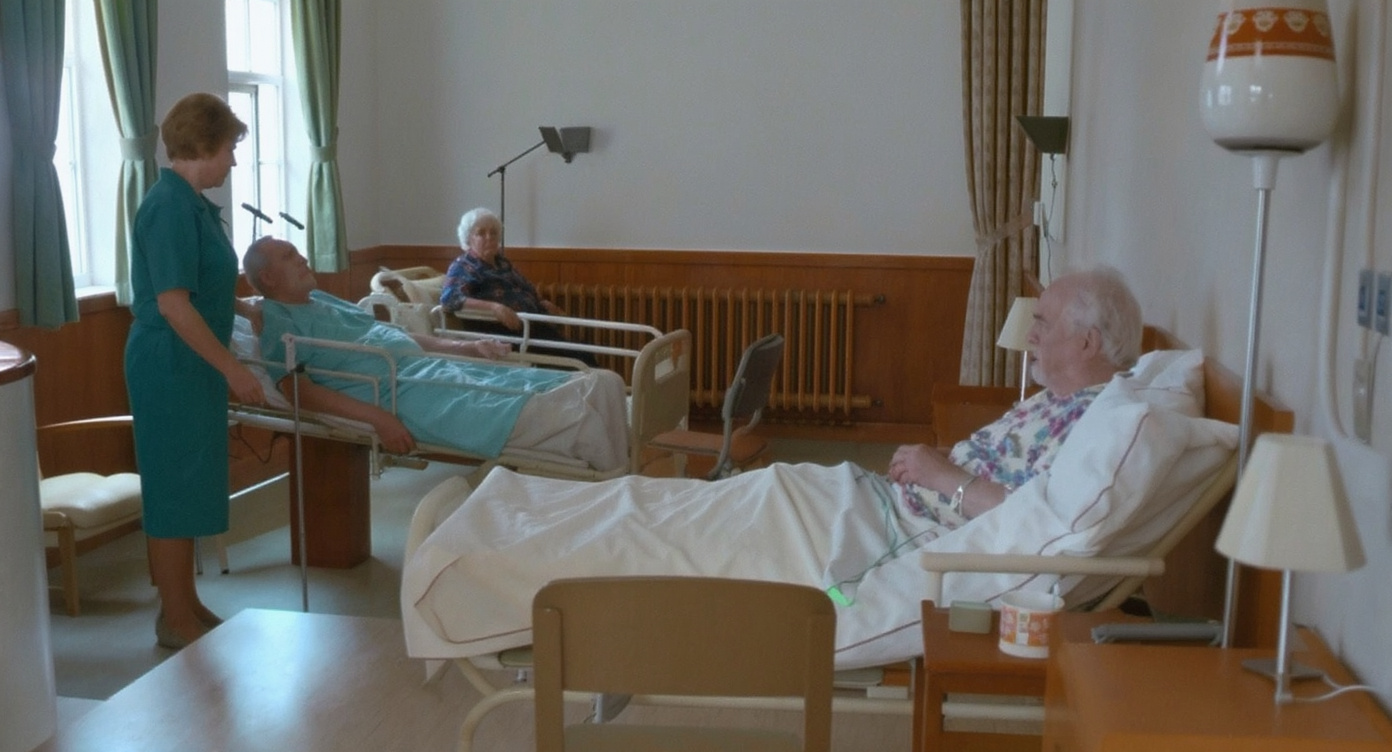
Severe deviations in temperature from what humans are accustomed to cause the deaths of around five million people each year. However, such cases are rarely recorded as temperature-related fatalities, since outwardly they appear to be ordinary heart attacks or strokes. Recent research has shown that in facilities where measures are taken to mitigate temperature fluctuations, elderly people die noticeably less often during heatwaves and, on average, live longer.
The Impact of Temperature Anomalies on Health
Unusual heat stress forces the body's thermoregulation system to work harder. This can be beneficial—for example, hot baths at around 40 degrees Celsius are used to train the cardiovascular system and reduce mortality from related diseases—but it can also be dangerous. If a person has not experienced heat for a long time and is then exposed to it for an extended period, their heart and blood vessels may not adapt quickly enough, which can lead to fatal outcomes. Outwardly, these deaths are indistinguishable from typical heart attacks or strokes, and currently, doctors lack effective methods to differentiate them from other causes.
Research in Nursing Homes
Canadian scientists studied mortality among residents of nursing homes where indoor temperatures are kept stable for everyone. Unlike individual houses and apartments, where temperature conditions can vary greatly, this allowed researchers to identify a statistically significant increase in mortality during periods of extreme heat. The results were published in the journal JAMA Internal Medicine.
The study analyzed data on approximately 74,000 deaths in nursing homes from 2010 to 2023. In facilities without air conditioning, mortality during periods of intense heat increased by 11% compared to similar months without extreme temperatures. In homes with air conditioning, this increase was only 3%. Thus, cooling indoor spaces reduced the likelihood of death during heatwaves by 7%. While this difference may seem small, on a population scale it leads to significant changes in overall mortality.
Methodology and Study Conclusions
Since Canada is not among the world's hottest countries, the authors defined extreme heat as periods when the heat index reached or exceeded the 90th percentile (that is, the 10% of days with the highest perceived temperature, taking humidity into account). Typically, only the hottest 5% of days in a year are considered extreme heat, so the difference in mortality between homes with and without air conditioning during such periods may even exceed 7%.
The study also found that in homes with air conditioning, the average age at death was 87.2 years, compared to 86.8 years in homes without it. This suggests that heat does not simply "take the weakest," who might have died soon anyway, but objectively shortens the lives of those who could have lived several more months, even at an advanced age. Mortality increased significantly not only on days of extreme heat but also during the three days following the end of a heatwave.
Global Context
As previously noted, temperature deviations are the leading external cause of death worldwide. They claim many times more lives than hunger and war combined, and several times more than road traffic accidents. Of the approximately five million annual victims of temperature fluctuations, only half a million are due to heat, while the remaining four and a half million are attributed to low temperatures (the increase in mortality begins when temperatures drop below +15–20°C). In this regard, it would be interesting to know how mortality differs in homes with various heating systems, but so far, there is little research on this topic.