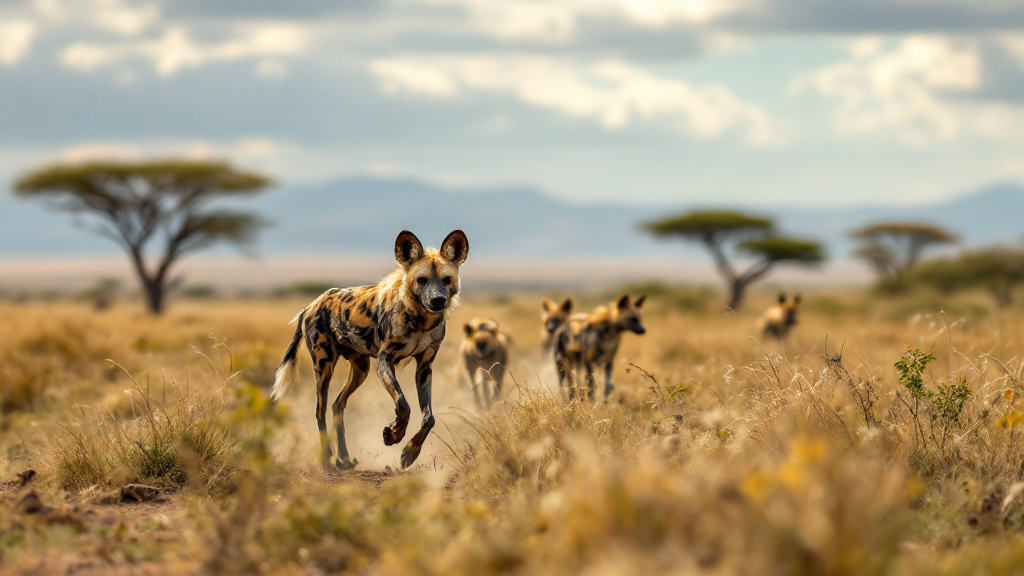
Young male African wild dogs traveled over 4,000 kilometers in nine months, setting a new record among African mammals. This discovery is important for understanding migration patterns and for the conservation of this rare species.
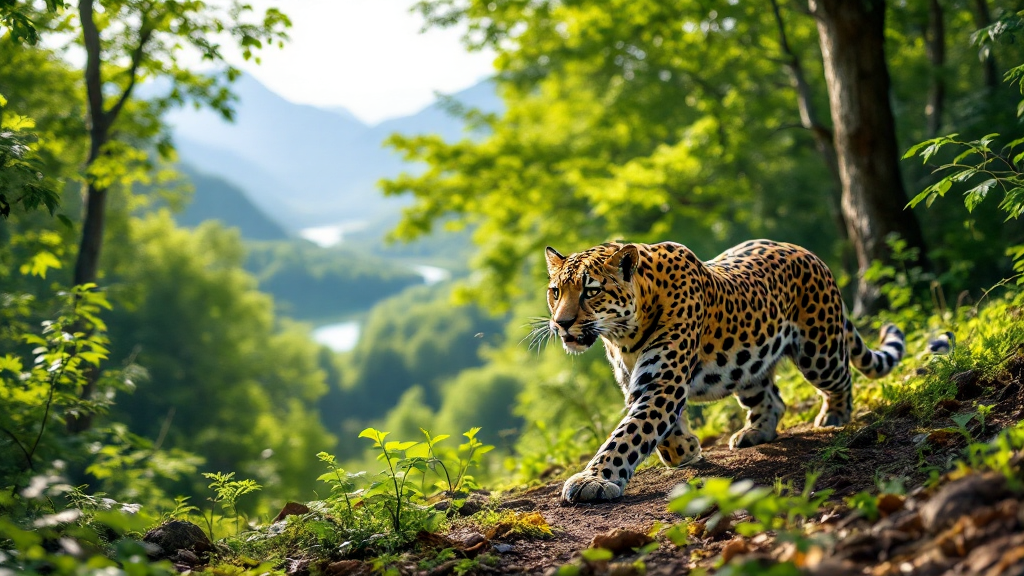
Over the past ten years, the population of Amur leopards in Russia has nearly tripled thanks to enhanced protection efforts. To further restore their numbers, plans are underway to expand their habitat and strengthen international cooperation.
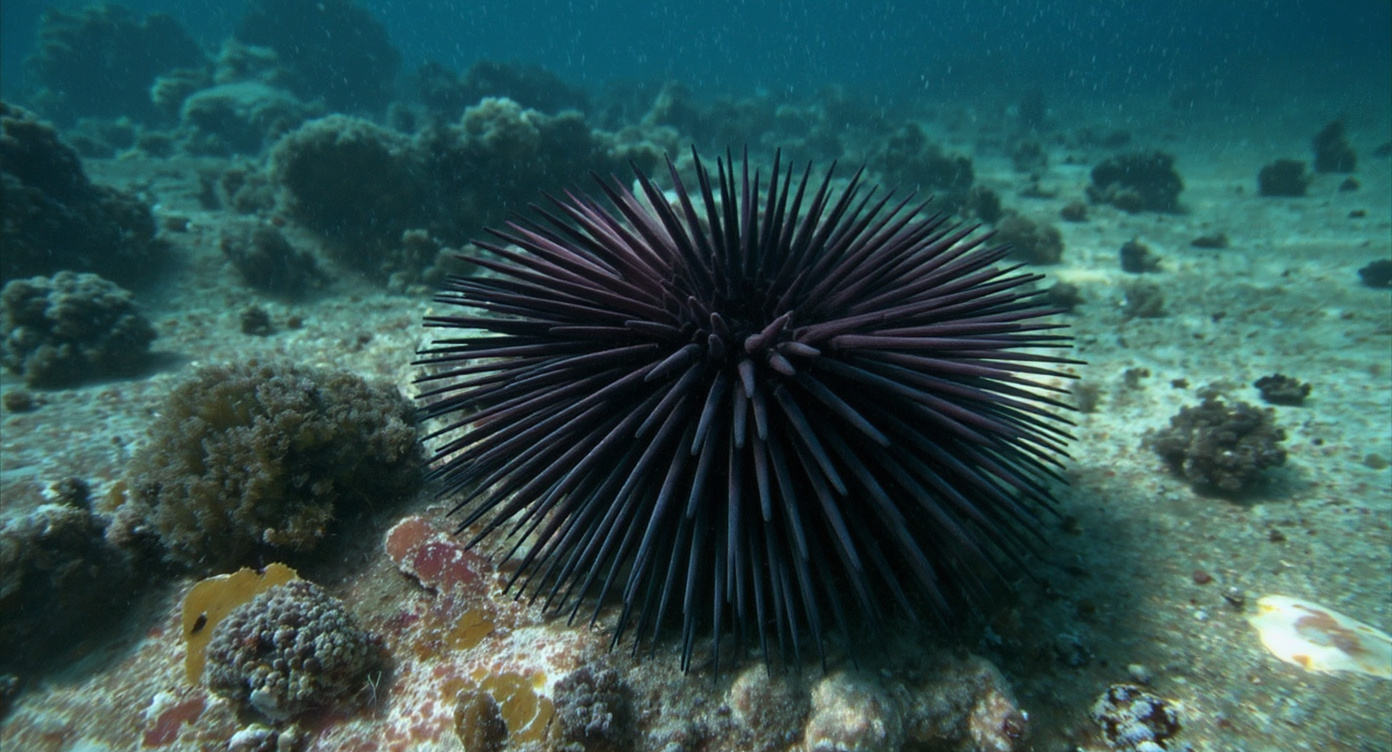
In 2022–2023, a mass die-off of sea urchins in the Canary Islands led to the near-total disappearance of their population and disrupted their life cycle. Research links this catastrophe to a global pathogen pandemic, posing a serious threat to the species' recovery.
Scientists are discussing the reasons behind the disappearance of the Flores people. Possible factors include climate change, a decline in prey populations, competition with predators, and the arrival of Homo sapiens. A definitive answer has yet to be found.
A new study suggests that the disappearance of Neanderthals may have been the result of gradual assimilation with Homo sapiens, rather than wars or catastrophes. Even infrequent but regular contact led to the near-complete absorption of Neanderthals into the population of modern humans.
In caves in northern Saudi Arabia, uniquely well-preserved cheetah mummies have been discovered, allowing scientists to learn more about their extinct populations and the history of the region. Genetic analysis revealed that thousands of years ago, various subspecies of these predators lived here.
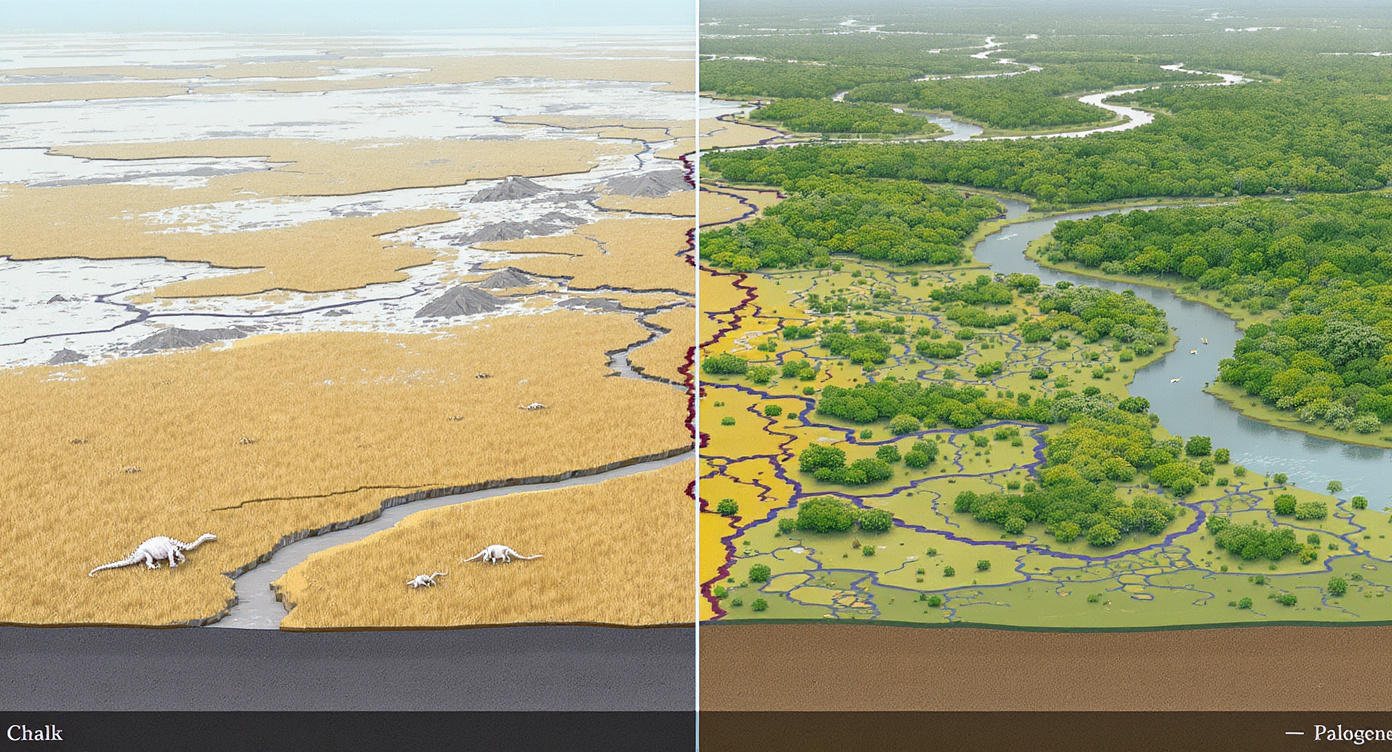
A new study reveals that the disappearance of large herbivorous dinosaurs after the Cretaceous period was one of the key factors behind the dramatic changes in Earth's landscapes and hydrological systems.
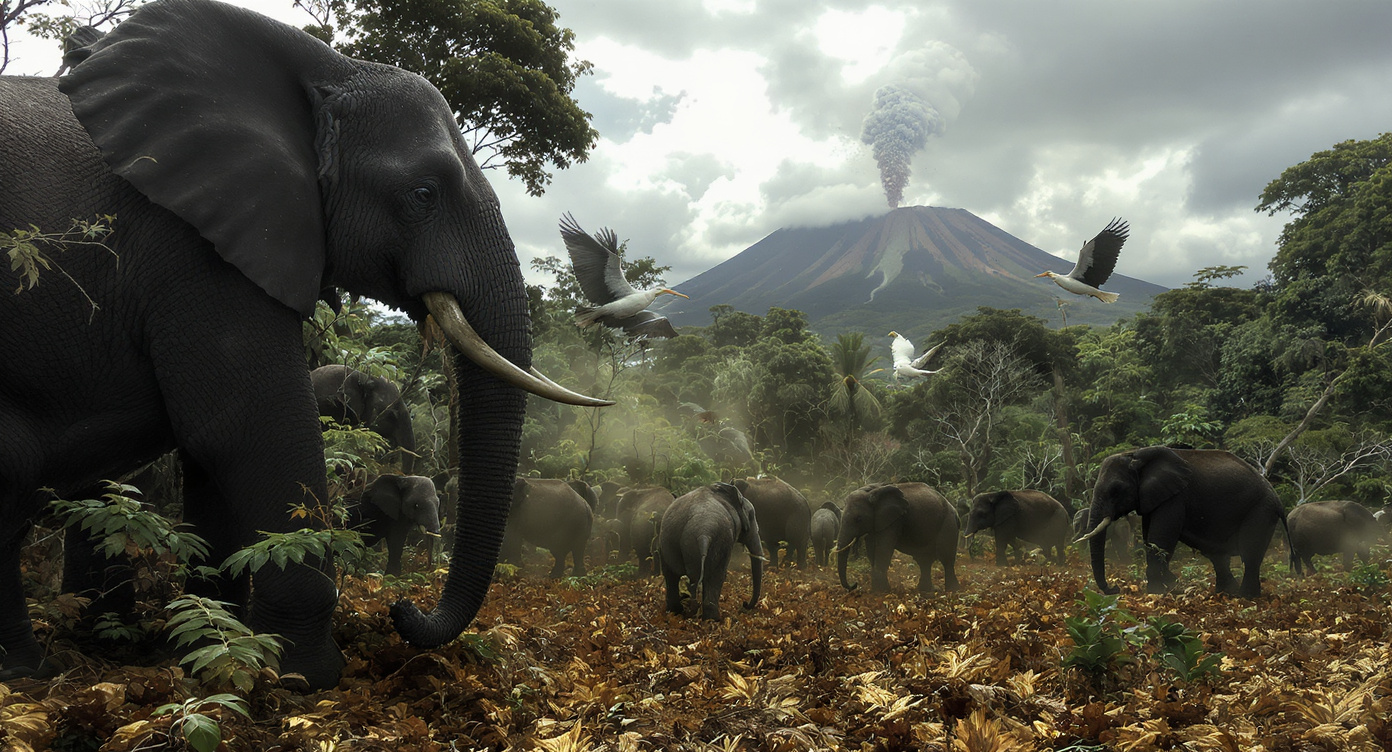
A new study has shown that over the past 500 years, the disappearance of large groups of animals and plants has been extremely rare and mostly limited to specific regions. The current biodiversity crisis has not yet reached the scale of past mass extinctions, but it still poses serious threats.

 Natura