

Ancient cheetah mummies reveal the secrets of Arabia
In caves in northern Saudi Arabia, uniquely well-preserved cheetah mummies have been discovered, allowing scientists to learn more about their extinct populations and the history of the region. Genetic analysis revealed that thousands of years ago, various subspecies of these predators lived here.
Cursus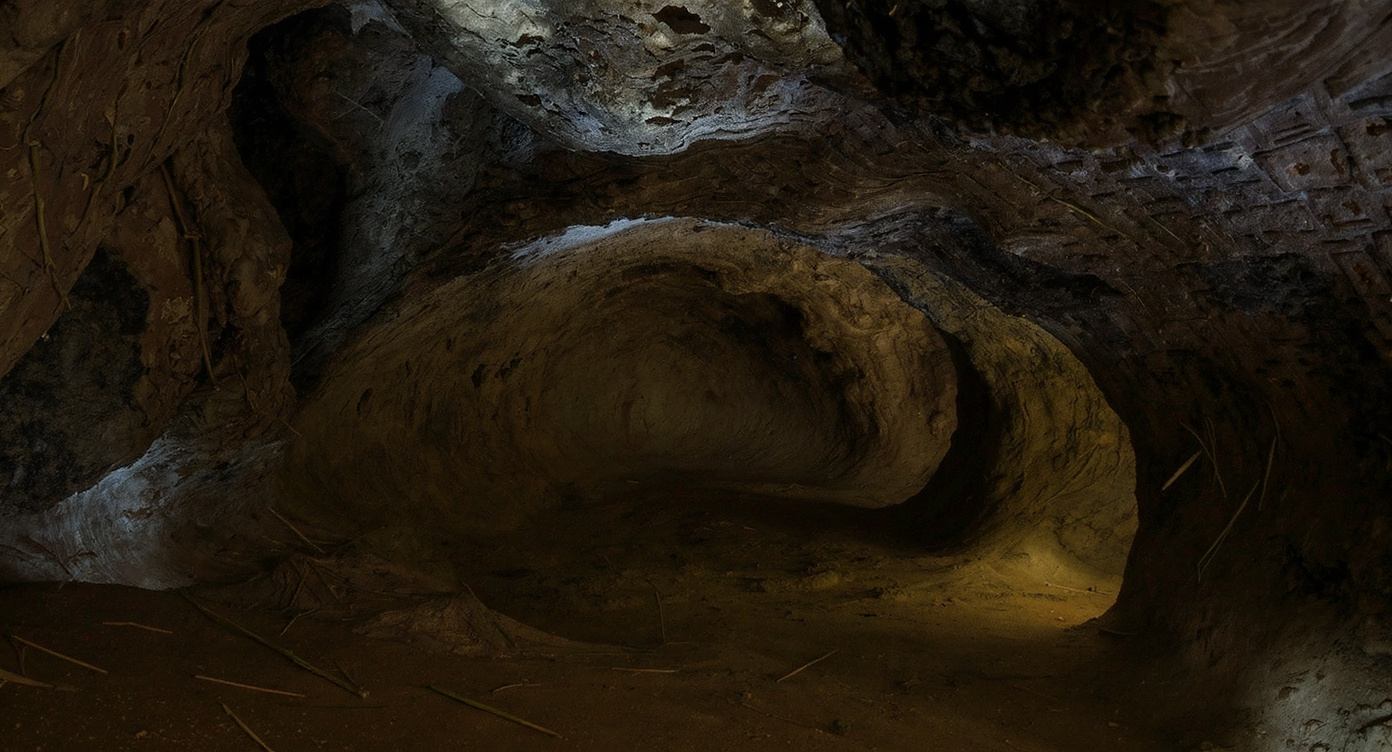
In caves in northern Saudi Arabia, scientists have discovered cheetah remains that have been preserved thanks to unique natural conditions—stable temperatures and low humidity. This discovery sheds new light on the history of these predators in the region.
Cheetahs: Endangered Predators
Cheetahs (Acinonyx jubatus) are members of the cat family, renowned as the fastest land mammals. However, their numbers are rapidly declining due to hunting, habitat loss, and illegal wildlife trade. On the Arabian Peninsula, cheetahs were completely exterminated in the last century. Today, only one species survives in the wild, divided into four genetically distinct subspecies.
The most numerous is the Southern African cheetah (Acinonyx jubatus jubatus). The Northeast African (Acinonyx jubatus soemmeringii) and Northwest African cheetahs (Acinonyx jubatus hecki) exist only in small, scattered groups. The Asiatic cheetah (Acinonyx jubatus venaticus) is on the brink of extinction—just a few individuals remain in Iran. The new discovery in Saudi caves may help determine which subspecies inhabited Arabia thousands of years ago.
A Unique Find in the Lauga Caves
In 2022 and 2023, a team of biologists led by Ahmed Bugha from the National Center for Wildlife in Riyadh explored the Lauga cave system in the north of the country. These underground karst cavities became the site where remains of 54 cheetahs were found, including seven mummies. The age of the remains ranges from 100 to 4,000 years old.
The secret to the preservation of the mummies lies in the caves’ special microclimate: constant temperature and low air humidity created ideal conditions for natural mummification, halting decomposition and preserving the animals’ soft tissues.
The Mystery of the Cheetahs in the Caves
It remains unclear how the cheetahs ended up in these underground chambers. Typically, these predators do not use caves as permanent dens or hide their prey there. None of the five studied caves contained water sources. Most of the remains, including the mummies, were found in a single cave, which could only be accessed through a karst sinkhole. Scientists suggest that the cheetahs may have accidentally fallen into this natural trap and were unable to escape. In addition to cheetahs, bones of wolves, striped hyenas, gazelles, and red foxes were also found in the caves, confirming the danger of this trap for various animal species.
The age of the deceased cheetahs was of particular interest. After examining 20 skulls, researchers determined that six belonged to adult animals, while the rest were juveniles aged six to 24 months. Remains of nine cubs were also found. This led to the hypothesis that adult females may have used the caves as a safe shelter for their young—a kind of “maternity ward” or “nursery.”
Modern Inhabitants of the Caves
Camera trap data showed that wolves are now the primary users of these caves. According to biologists, this suggests that some, if not all, of the studied caves were accessible to animals during the cheetahs’ era as well. Predators may have entered the caves intentionally, not just by accident.
Genetic Analysis and New Discoveries
To learn more about the extinct Arabian cheetah population, Bugha’s team conducted genetic analysis on three samples. The youngest mummy, which died about 100 years ago, was genetically close to the Asiatic subspecies—a finding that is not surprising, as the nearest modern population of these cheetahs lives in Iran.
However, analysis of two older samples, aged 3,000 and 4,000 years, revealed a surprise: they showed similarities to the Northwest African subspecies. This proves that this subspecies inhabited what is now Saudi Arabia several millennia ago.
The results of the study have been published on the preprint platform Research Square.