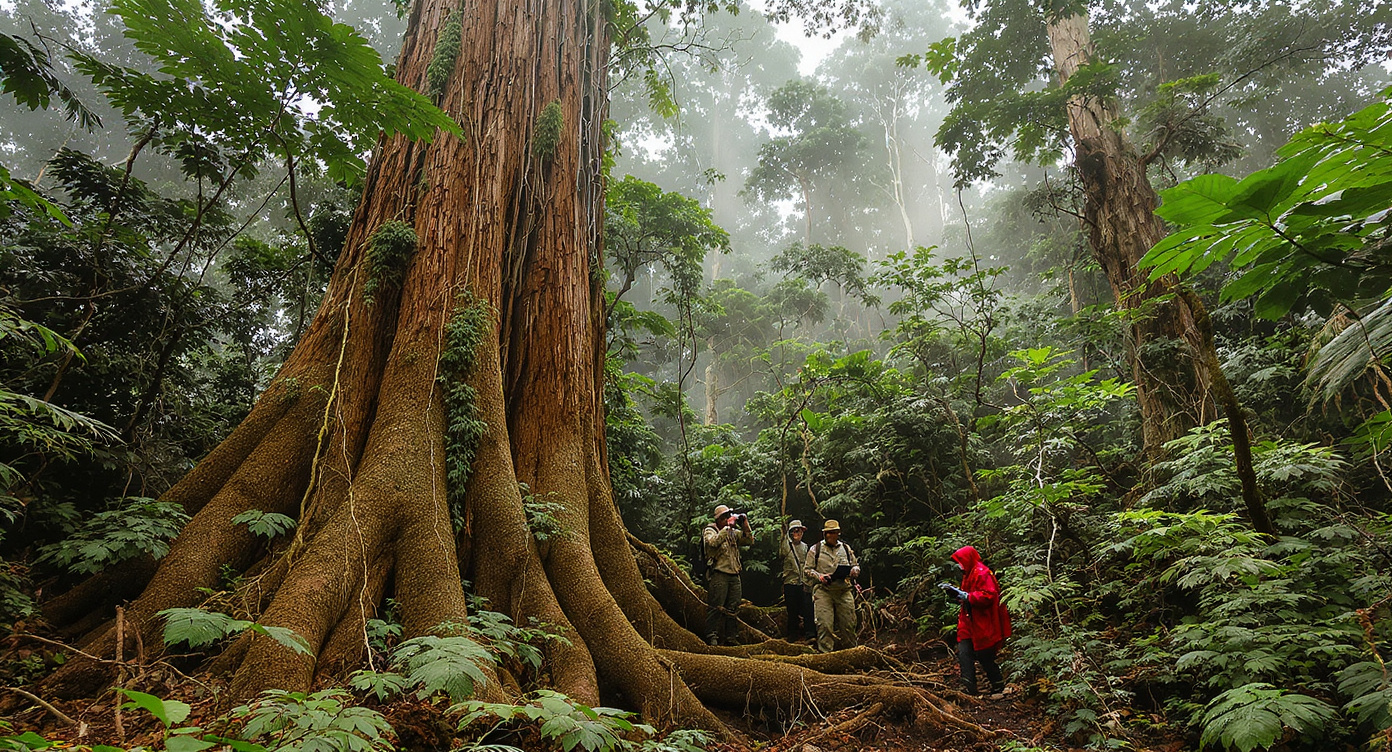
A global study has shown that in the world’s forests, fast-growing tree species are displacing slower-growing ones that are crucial for maintaining ecosystem stability. This shift could lead to a decline in biodiversity and forest resilience, as well as reduce their ability to withstand climate change.
An experiment in the Bavarian Forest showed that the scent of a lynx effectively deters deer from young trees, unlike the scent of a wolf. This confirms the important role predators play in maintaining forest ecosystems.
A new study has shown that climate change affects tree diversity in the tropical forests of the Amazon and Andes in different ways: in some regions, species are disappearing, while in others, new ones are emerging. Scientists emphasize the importance of a regional approach to forest conservation and highlight the Northern Andes as a potential refuge for vulnerable species.
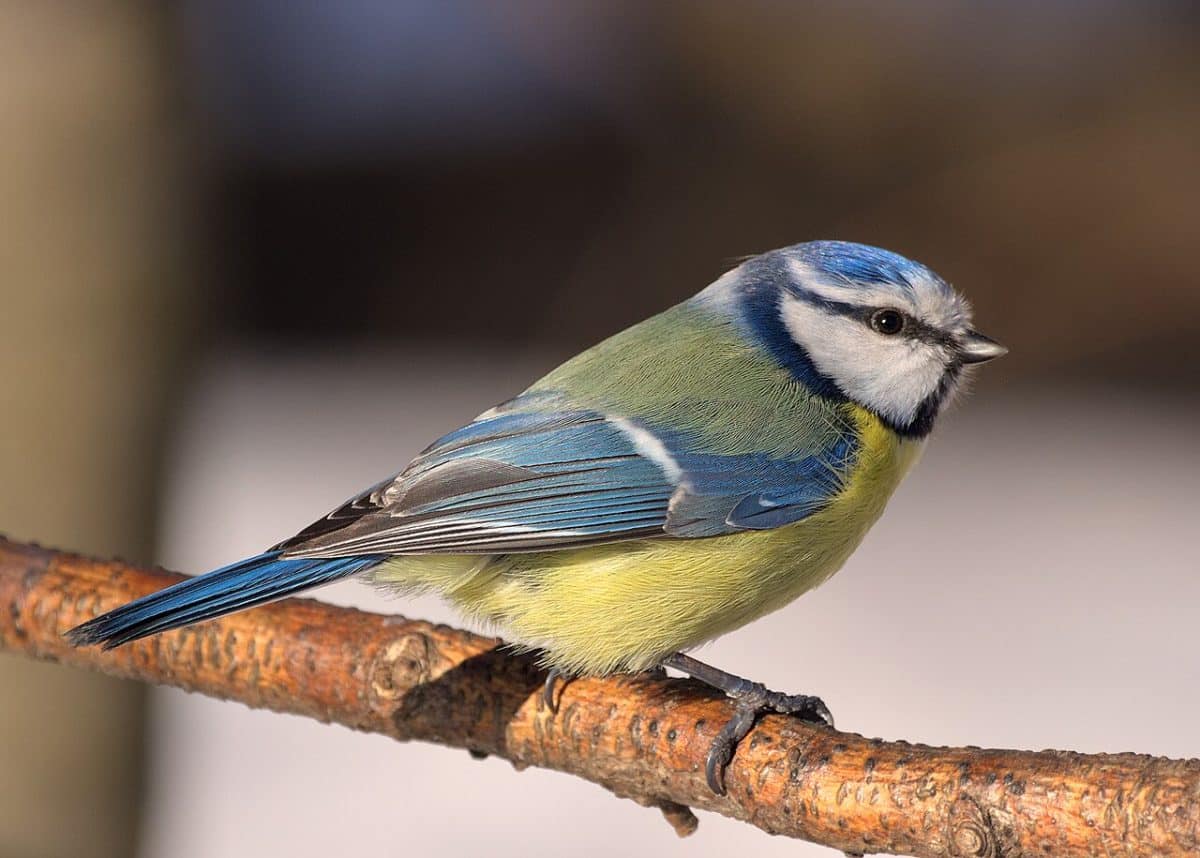
A new study has shown that native tree species, such as oaks, are especially important for the successful breeding of urban birds, as they provide a rich food source. Planting native trees helps support biodiversity and maintain the health of urban ecosystems.

 Natura