

Local trees help save urban birds from extinction
A new study has shown that native tree species, such as oaks, are especially important for the successful breeding of urban birds, as they provide a rich food source. Planting native trees helps support biodiversity and maintain the health of urban ecosystems.
Natura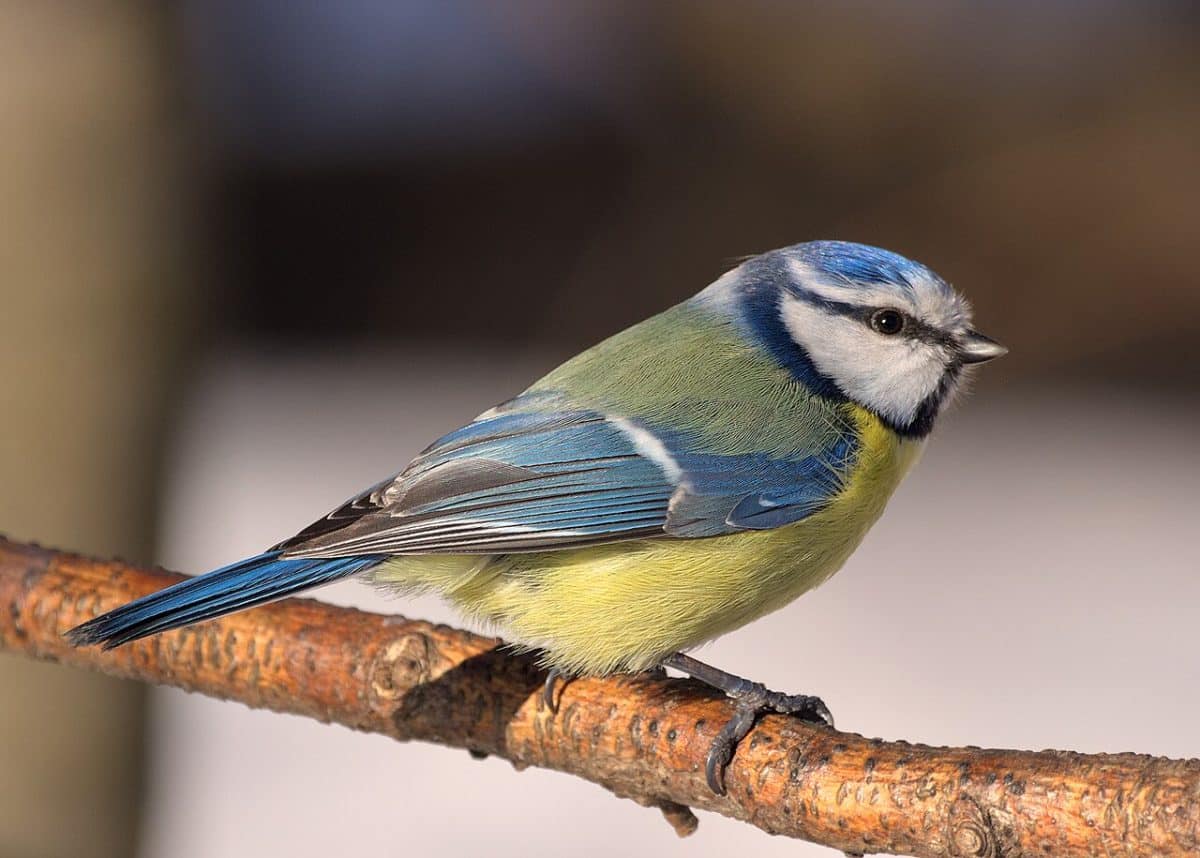
The lives of birds in cities have long turned into a kind of "evolutionary laboratory." A recent study by Scottish scientists revealed that the greatest influence on the breeding success of birds comes from the presence of unfamiliar, non-native trees in the area.
The Impact of Urbanization on Birds
Rapid urbanization leads to significant changes in natural landscapes, inevitably affecting local wildlife. Birds, being among the most sensitive organisms to changes in their habitat, serve as excellent indicators of the ecological health of urban ecosystems. Research shows that urban bird populations differ noticeably from their forest counterparts: they begin nesting earlier, but lay fewer eggs and raise fewer chicks.
Causes of Changes in Breeding Patterns
Until recently, it was unclear which specific factors influenced the breeding characteristics of birds in cities. Possible reasons included constant noise, artificial lighting, temperature changes, transformation of vegetation, and the direct presence of humans. To investigate this, specialists from the University of Glasgow conducted a nine-year monitoring study of blue tit (Cyanistes caeruleus) populations along a 40-kilometer stretch—from the center of Glasgow to the national park area.
Study Process and Results
During the research, scientists collected data on more than a thousand nesting attempts by birds in various locations. They recorded the dates of the first egg laid, clutch size, and the number of chicks that successfully fledged. For each territory, ecological parameters such as population density, spring temperature, and the composition of tree species were considered, with trees classified as either native or introduced. Special attention was paid to the number of caterpillars and moth larvae on tree branches, as these are a crucial food source for chicks.
The analysis showed that the key factor determining the breeding success of insectivorous birds in urban environments was the type of surrounding trees. The presence of native species, especially oaks, had a strong positive effect: in such areas, birds started laying eggs earlier, and the number of surviving chicks was significantly higher.
The Role of Native and Ornamental Trees
The data confirmed that oaks host far more caterpillars—the main protein food for blue tit chicks. In contrast, ornamental, non-native trees had the opposite effect: birds laid fewer eggs, and fledging success was lower. This is because local insects tend to avoid exotic plants, making the food base for birds much poorer in these areas.
The Influence of Population Density
Another negative factor was high human population density. It is believed that people create stressful conditions for birds and may also alter their feeding habits, forcing them to rely more on anthropogenic food sources, which further reduces their chances of successfully raising offspring.
Conclusions
The authors of the study emphasize that the impact of urbanization on birds is not inevitably negative or fatal. Its effects can be significantly mitigated or even reversed if, during urban development, native tree species—evolutionarily linked to the local insect fauna—are preserved and planted. This approach will help maintain biodiversity and the health of urban ecosystems.