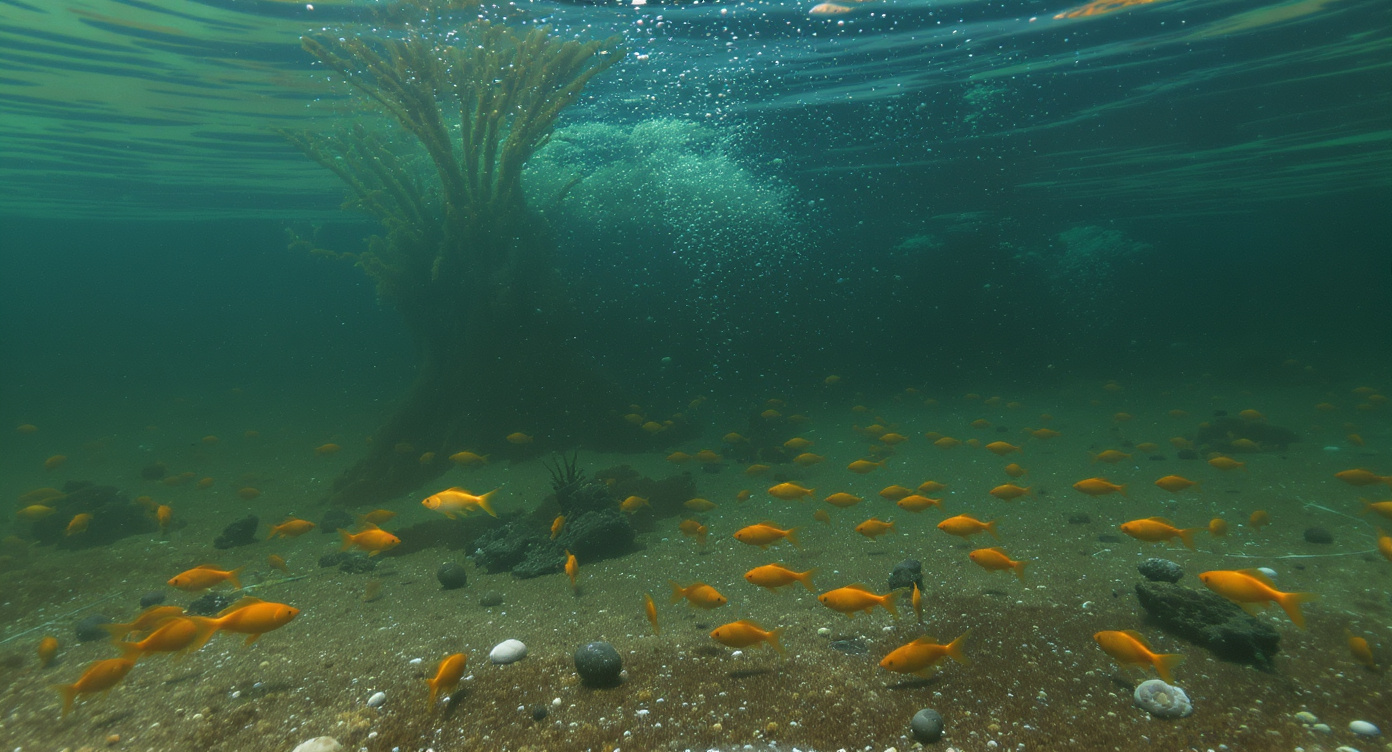
The introduction of goldfish into freshwater lakes leads to ecosystem destruction: water quality deteriorates, algae disappear, and the populations of native animals decline. Scientists urge that aquarium owners be informed about the harm caused by releasing these fish into the wild.
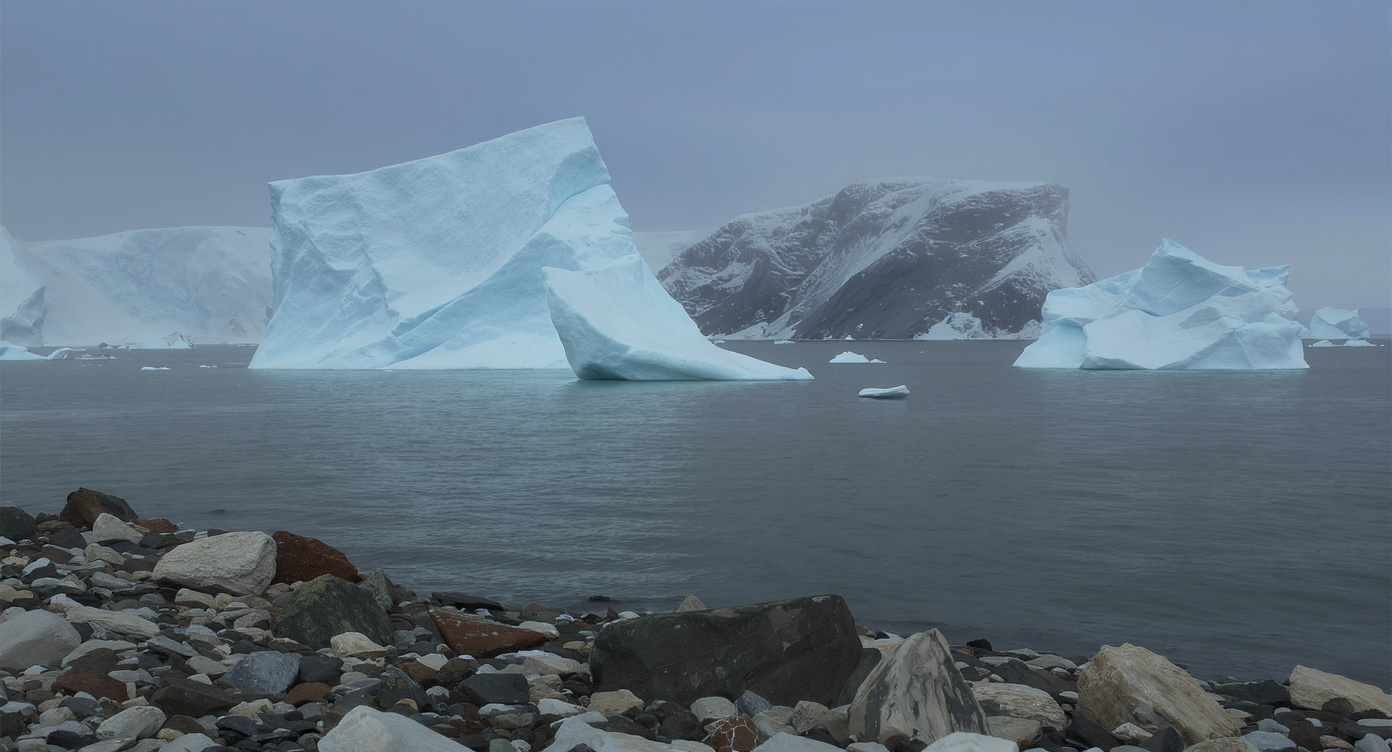
A new study has found that the iron delivered to the Southern Ocean by icebergs is often not easily accessible to algae and does not stimulate their growth as previously believed. This could reduce the ocean's ability to absorb carbon dioxide as climate warming continues.
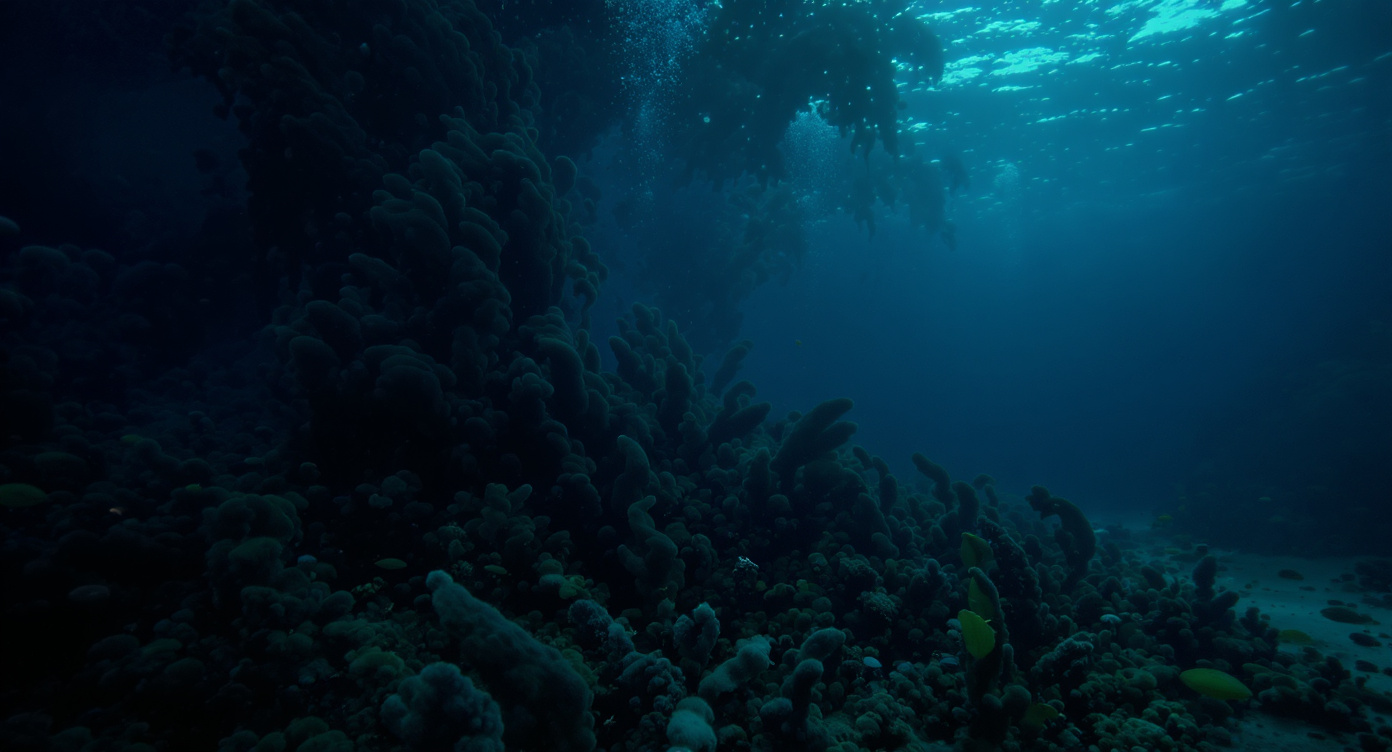
Scientists have developed the first system for detecting and comparing short-term but intense periods of underwater darkness—so-called "marine dark waves"—which can seriously disrupt marine ecosystems. This new method will help track such events worldwide and assess their impact on algae, seagrasses, and corals.
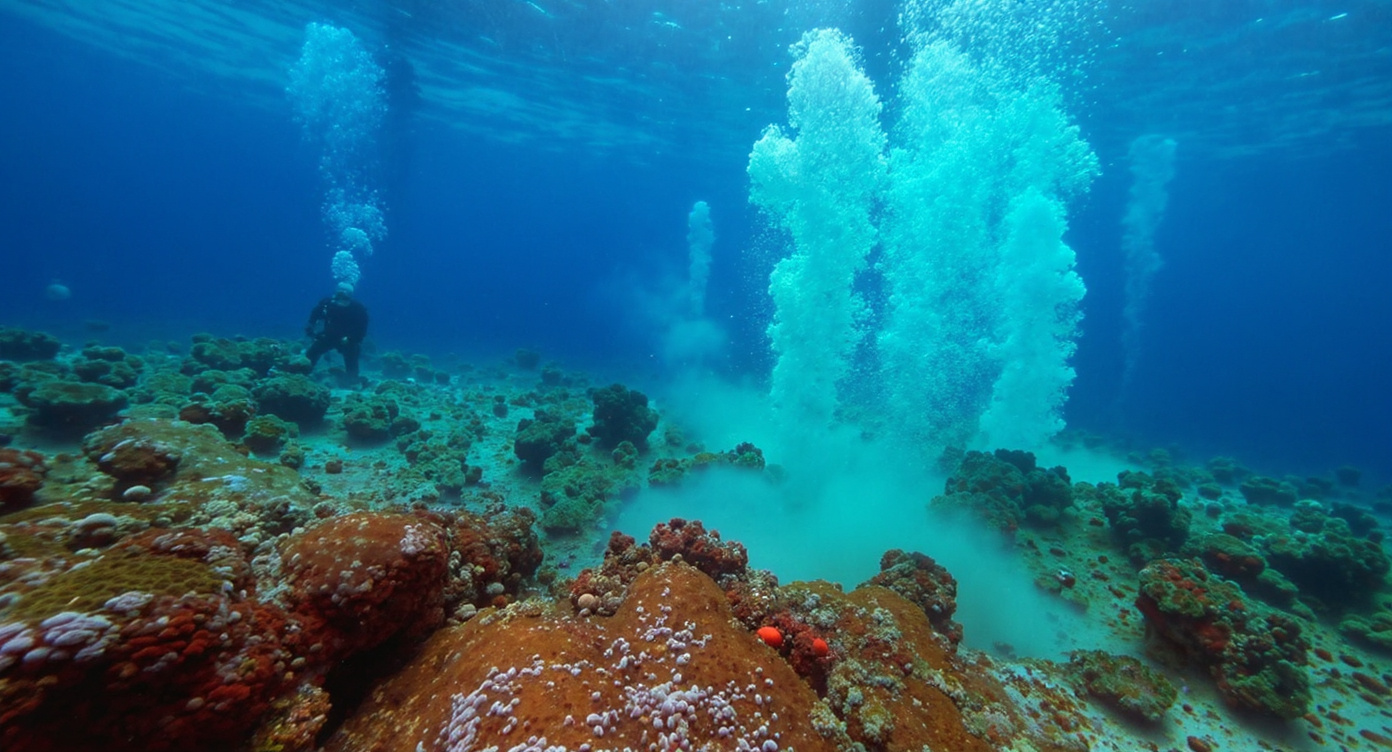
A study of coral reefs off the coast of Papua New Guinea has shown how increasing ocean acidity is gradually transforming marine ecosystems: corals are being replaced by algae, and biodiversity is declining. These findings help predict the future of reefs and coastal communities as CO2 emissions continue to rise.

 Natura