

AI helped discover new bacterial defense genes
Researchers at MIT, using artificial intelligence, have discovered thousands of new genes that protect bacteria from viruses, including previously unknown defense mechanisms. This breakthrough expands our understanding of how immunity evolves in microorganisms.
Cursus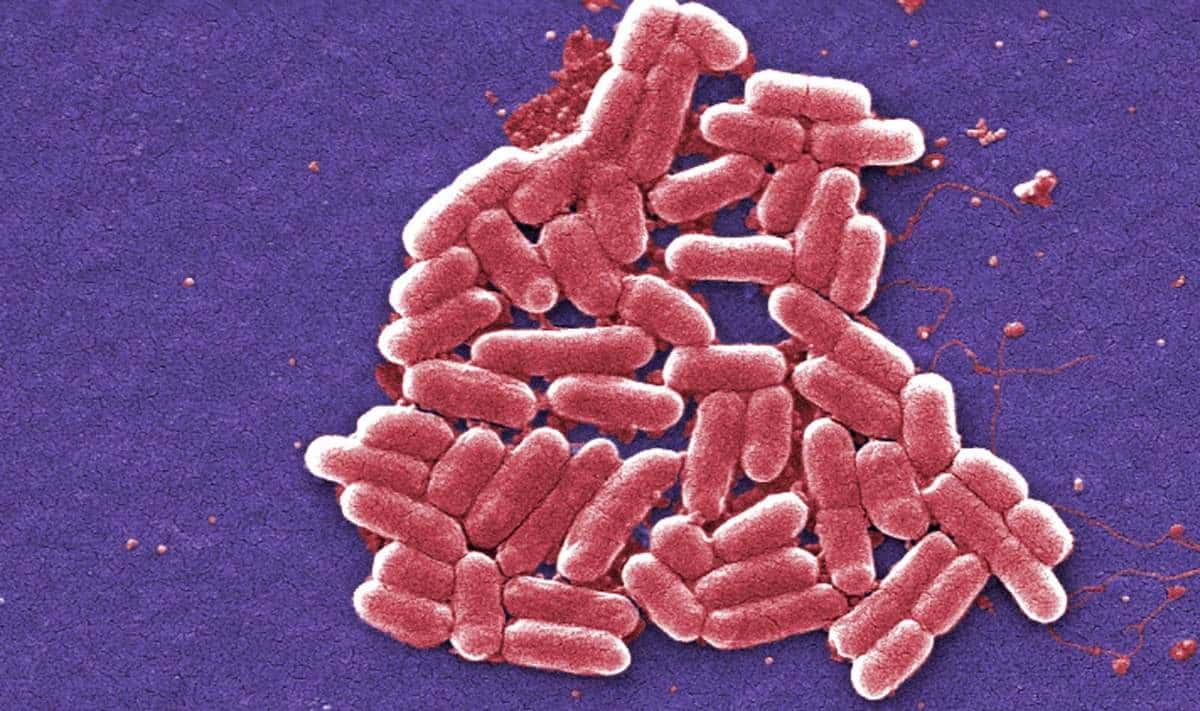
Bioengineers from MIT have identified genes that protect bacteria from viruses, with structures distinct from previously known analogues. During their research, they discovered over 5,000 potential defense systems, and laboratory tests confirmed the effectiveness of 42 of them, significantly expanding the list of known cellular defense mechanisms.
Bacterial Adaptation and the Search for New Defense Genes
Bacteria are constantly adapting to resist bacteriophages. Their immune mechanisms, such as CRISPR-Cas systems and restriction enzymes, exhibit high molecular specificity. Previously, the search for new defense genes was conducted manually, mainly focusing on so-called "defense islands" near already studied DNA elements. This approach made it difficult to identify single genes and systems located on mobile genome segments, such as plasmids, leaving a significant portion of defense mechanisms undiscovered.
Automating the Search with Machine Learning
As part of the study, researchers developed the DefensePredictor algorithm based on the ESM2 protein language model. This model analyzes amino acid sequences in a manner similar to how neural networks process text. Training data included 17,000 prokaryotic genomes, featuring 15,000 known defense proteins and 186,000 regular proteins, enabling the algorithm to detect hidden structural patterns.
In addition to protein structure, the program considered 119 genomic parameters, such as gene length, distance to neighboring genes, and nucleotide ratios. The trained neural network was applied to data from 69 strains of Escherichia coli, resulting in the identification of hundreds of potential immune proteins.
Laboratory Validation and New Discoveries
To verify the accuracy of the predictions, 94 systems unlike any known defense mechanisms were selected. These genes were synthesized, introduced into a vulnerable E. coli strain, and exposed to 24 different viruses. Laboratory tests showed that 42 out of 94 systems (45%) successfully protected bacteria from phages. Researchers identified 15 protein domains previously unassociated with immunity, such as metallophosphatases and HAD-like phosphatases. About half of the new defense genes function outside classic "defense islands," often residing in mobile genetic elements like plasmids.
Evolutionary Connections and Diversity of Defense Systems
One of the discovered systems (DS-8) contains a fragment similar to the human protein SMPDL3A, which in humans is involved in innate immune responses. This points to deep evolutionary links between bacterial and human defense mechanisms. Another system operates on a "toxin-antitoxin" principle: when a virus enters the cell, a rapid self-destruction mechanism is triggered, preventing phage replication and protecting the rest of the colony.
Large-Scale Application of the Algorithm
Applying the model to a thousand random genomes of other microorganisms led to the discovery of over 5,200 new potential defense systems, more than 3,000 of which have no structural similarity to previously studied proteins.
Significance of the Research
The results demonstrate that bacteria possess a vast and structurally diverse arsenal of antiviral defenses. Further study of these systems will provide deeper insights into the evolution of immunity from prokaryotes to higher animals and help trace the ongoing battle between viruses and microorganisms.

k6 comment VU-210