

How the Brain Chooses Between Risk and Safety
A new study has shown that when choosing between risk and safety, two independent regions of the cortex interact in the brain. This discovery helps to better understand the nature of doubt and could lead to new methods for treating anxiety disorders.
Cursus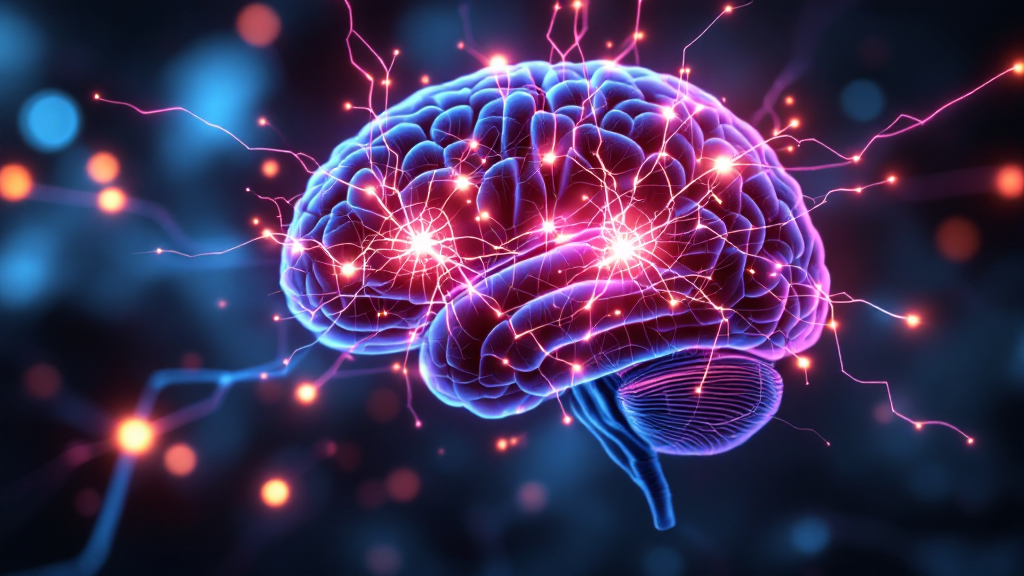
In the cerebral cortex, when choosing between potential gain and risk, two independent neural nodes interact. Neurobiologists, using direct brain connections, have recorded this process in real time, which has helped explain the physical nature of doubt and the anatomical features of decision-making.
Studying the Decision-Making Process
Questions related to decision-making have long been a subject of scientific study. Neurobiology even considers the very concept of free will as something open to doubt. In the 1980s, it was established that the brain generates a signal to act hundreds of milliseconds before a person becomes consciously aware of their choice. Since then, researchers have been trying to understand how neural networks make more complex, abstract decisions, such as whether a potential reward is worth the risk of possible punishment.
The Role of the Orbitofrontal Cortex
The orbitofrontal cortex, located above the eyes, is known to be responsible for calculating such decisions. However, studying this area in living humans is technically challenging: due to the air-filled nasal sinuses, standard MRI machines cannot accurately detect activity in this region, and tomographs are too slow to register rapid neural signals.
Experimental Methodology
A group of researchers used an alternative approach to bypass technical limitations and study the neural mechanisms of risk-related decision-making. The experiment involved six patients who already had intracranial electrodes implanted for stereo-EEG monitoring for medical reasons. Participants played a computer game in which they had to guide a character down a corridor toward treasure chests, avoiding virtual mines. Players had to quickly assess whether the risk was justified by the potential reward. The electrodes recorded cortical activity every 10 milliseconds.
Observation Results
The data revealed a clear division of functions: the orbitofrontal cortex operated as a system of two opposing centers. When making risky decisions, the medial part of the cortex became active while the lateral part quieted down. When choosing safety, the opposite occurred—the lateral zones suppressed the central ones.
The Mechanism of Doubt
Signal analysis showed that doubt manifests as rapid alternation of activity between two cortical zones. During difficult choices, the neural network began to flicker intensely, with "go" and "back" signals replacing each other within fractions of a second until one option became dominant. Thus, internal hesitation before making a decision is essentially a brief switching between two anatomical nodes.
Medical Perspectives
This study provided a vivid demonstration of the architecture of doubt in the brain. Understanding that the drive for risk and the fear of failure are linked to different areas of the cortex opens new possibilities for medicine. Targeted suppression of hyperactivity in the lateral "avoidance zone" using stimulators could help reduce anxiety levels in patients with severe depression.