

Butterfly wings have been found to function as an independent organ of smell.
A new study has shown that the wings of the tobacco hawk moth can independently detect scents characteristic of their host plants. This finding broadens our understanding of the insect olfactory system, revealing its complexity and how it is distributed throughout the body.
Cursus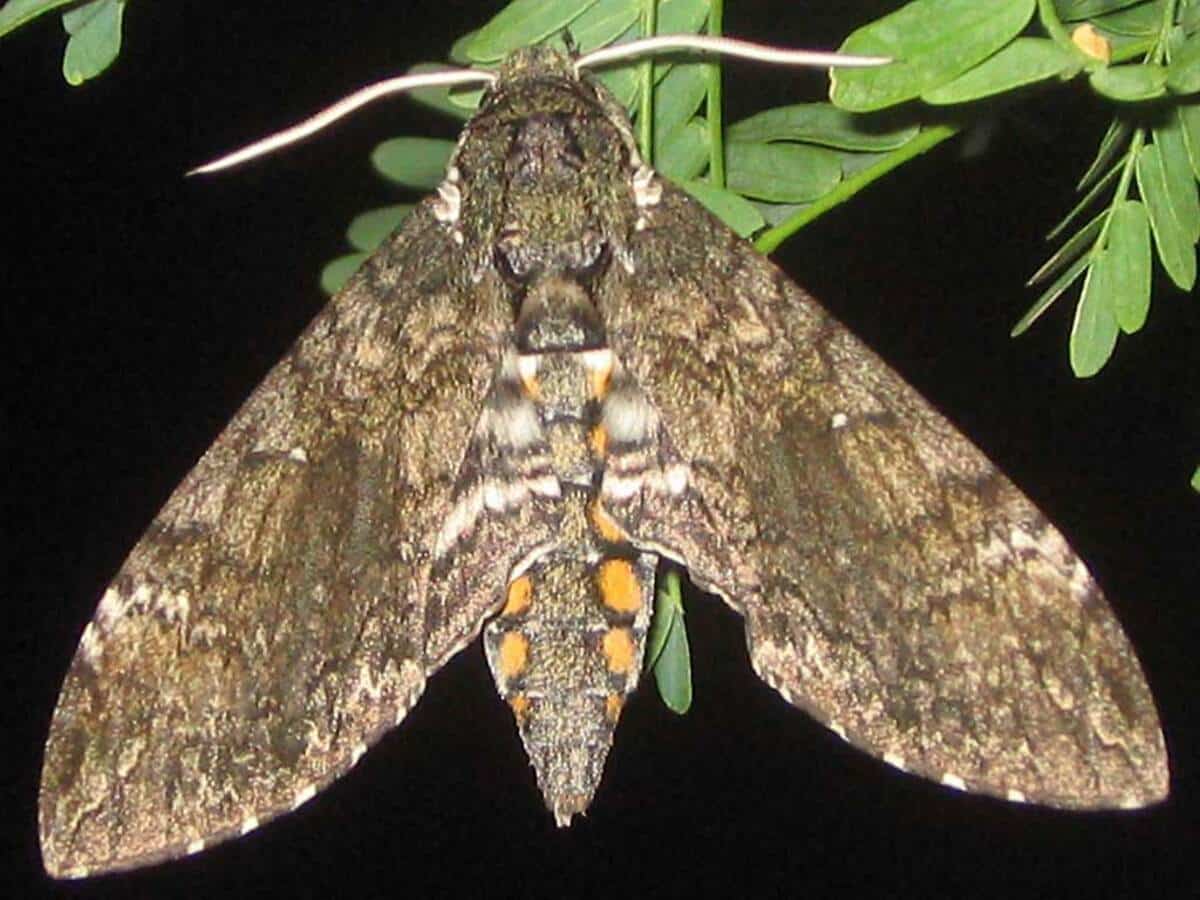
For a long time, it was believed that butterflies could only smell using their antennae. However, in recent years, scientists have discovered olfactory receptors in other parts of insect bodies as well. Recent studies have shown that the wings of the tobacco hornworm moth, Manduca sexta, also serve as olfactory organs, capable of detecting volatile compounds characteristic of the plants on which the butterfly lays its eggs.
Expanding Our Understanding of Insect Olfactory Systems
Traditionally, the antennae were considered the main olfactory organ in insects. However, over the past decades, genes responsible for olfactory receptors have been found in various body parts, including mouthparts, legs, ovipositors, and wings. These discoveries suggest that the insect olfactory system is more complex and distributed throughout the body than previously thought.
Exploring the Olfactory Abilities of Wings
A team of biologists from the Max Planck Institute for Chemical Ecology (Germany) conducted a study focused on the olfactory functions of the tobacco hornworm moth’s wings. This species is widely used in neurobiological and ecological research. The results were published in the Journal of Experimental Biology.
During the experiments, the surface of the wings was examined under a microscope. Special bristles with flexible attachments and sometimes a pore at the tip were found along the wing edges—features typical of olfactory receptors. These bristles are covered with pores, allowing volatile molecules to reach the nerve endings inside.
Genetic Analysis and Functional Tests
Genetic analysis of wing cells revealed the activity of genes for specific olfactory receptors, which in other insects are responsible for detecting amines and acids. However, the gene for the main olfactory receptor found in antennae was not detected in the wings. This indicates that the wings have their own independent mechanism for sensing odors.
To confirm these findings, experiments were conducted with isolated wings exposed to different odors. Electrical signals were recorded only in response to two compounds—pyrrolidine and piperidine. Both are volatile amines found in the sap of nightshade plants, which are the preferred egg-laying sites for these butterflies.
Conclusions
The experiments showed that even after removing the wing edge with the identified bristles, the wings still responded to odors. This suggests that olfactory bristles may be distributed across the entire wing surface, including under the scales. Thus, the wings of the tobacco hornworm moth function as an independent olfactory organ with their own mechanism for recognizing scents.