

Young great white sharks spotted again in the Mediterranean
The rare capture of a young great white shark off the eastern coast of the peninsula has confirmed that this species still inhabits the Mediterranean Sea. Research highlights the importance of monitoring and protecting these predators for the health of the region's ecosystems.
Natura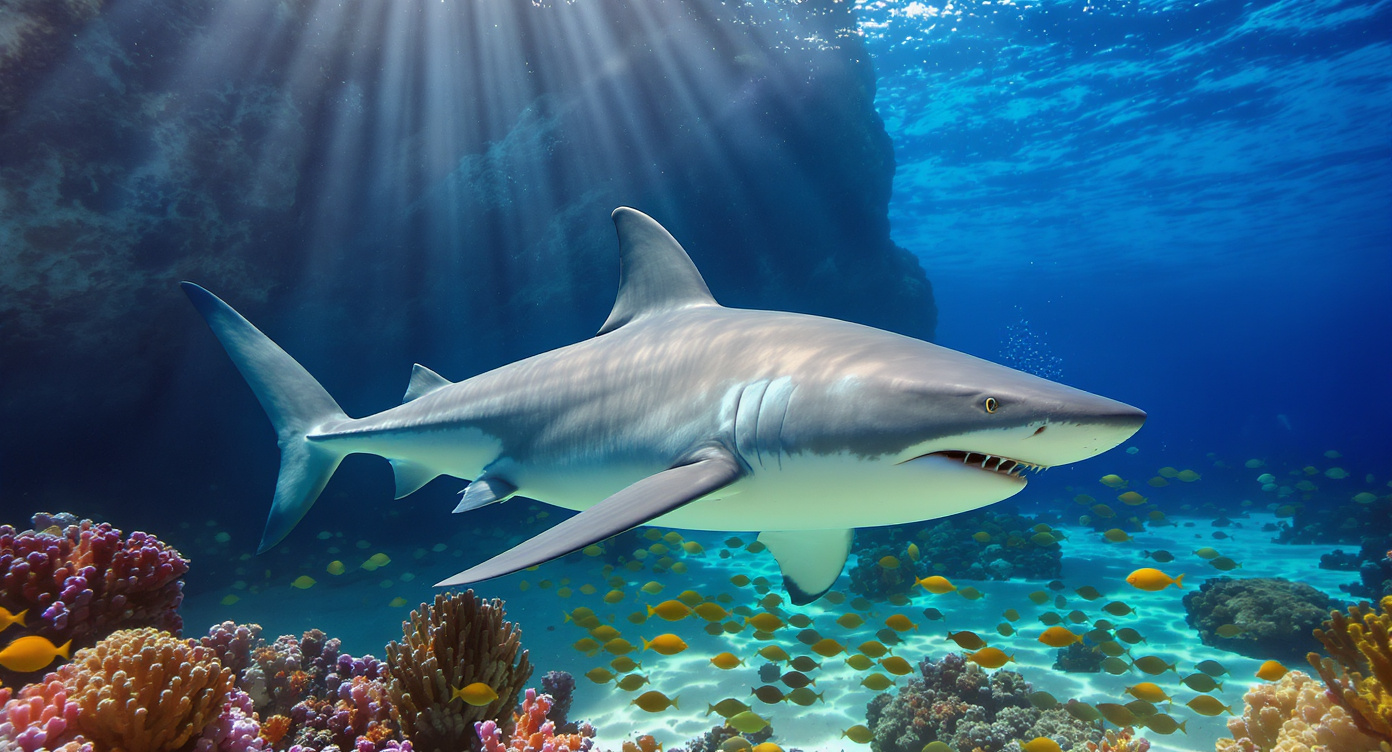
On April 20, 2023, local fishermen off the eastern coast of the peninsula accidentally caught a young great white shark (Carcharodon carcharias). The shark measured about 210 cm in length and weighed approximately 80–90 kg. Such occurrences are extremely rare for this region, which drew the attention of researchers to the study of historical records. Observations and reports dating back to 1862 were analyzed, resulting in a comprehensive study published in the journal Acta Ichthyologica et Piscatoria.
Presence of Great White Sharks in the Mediterranean Sea
The unexpected catch, along with an analysis of recorded cases over the past 160 years, indicates that great white sharks have not completely disappeared from Mediterranean waters. Research describes them as a small and rarely encountered population that continues to inhabit the region. Currently, the great white shark is listed as a vulnerable species on the IUCN Red List, and global population numbers are believed to be declining.
The Importance of Juvenile Sharks
The discovery of young sharks is particularly significant, as their presence may suggest ongoing reproduction in the area. Researchers note that the appearance of juveniles raises questions about the existence of active breeding grounds in the Mediterranean, and further studies are planned to investigate this issue.
Observations in Spanish Waters
Historical analysis confirms that great white sharks are occasionally found in the Spanish part of the Mediterranean Sea. Although such sightings are rare, they demonstrate the species’ continued presence in the region rather than its complete disappearance.
Impact on Public Perception
Great white sharks often evoke strong fear among people. Studies emphasize that a scientific understanding of the biology and ecology of this species can help shift public perception and replace myths with accurate knowledge.
Ecological Role
The decline in white shark populations highlights the importance of long-term monitoring programs to better understand their status in the Mediterranean. Combining direct observations with modern tracking technologies can help develop effective conservation strategies for this predator. Great white sharks play a crucial role in marine ecosystems by redistributing energy and nutrients over large distances and maintaining ecosystem health by consuming carrion. After death, as they sink to the ocean floor, they provide food for deep-sea communities.