

The fear of rattlesnakes turned out to be innate.
Using a robotic model of a rattlesnake, scientists have discovered that the fear of its rattle among animals living near snakes is innate. This sound serves as an effective warning signal that is hardwired at the genetic level.
Cursus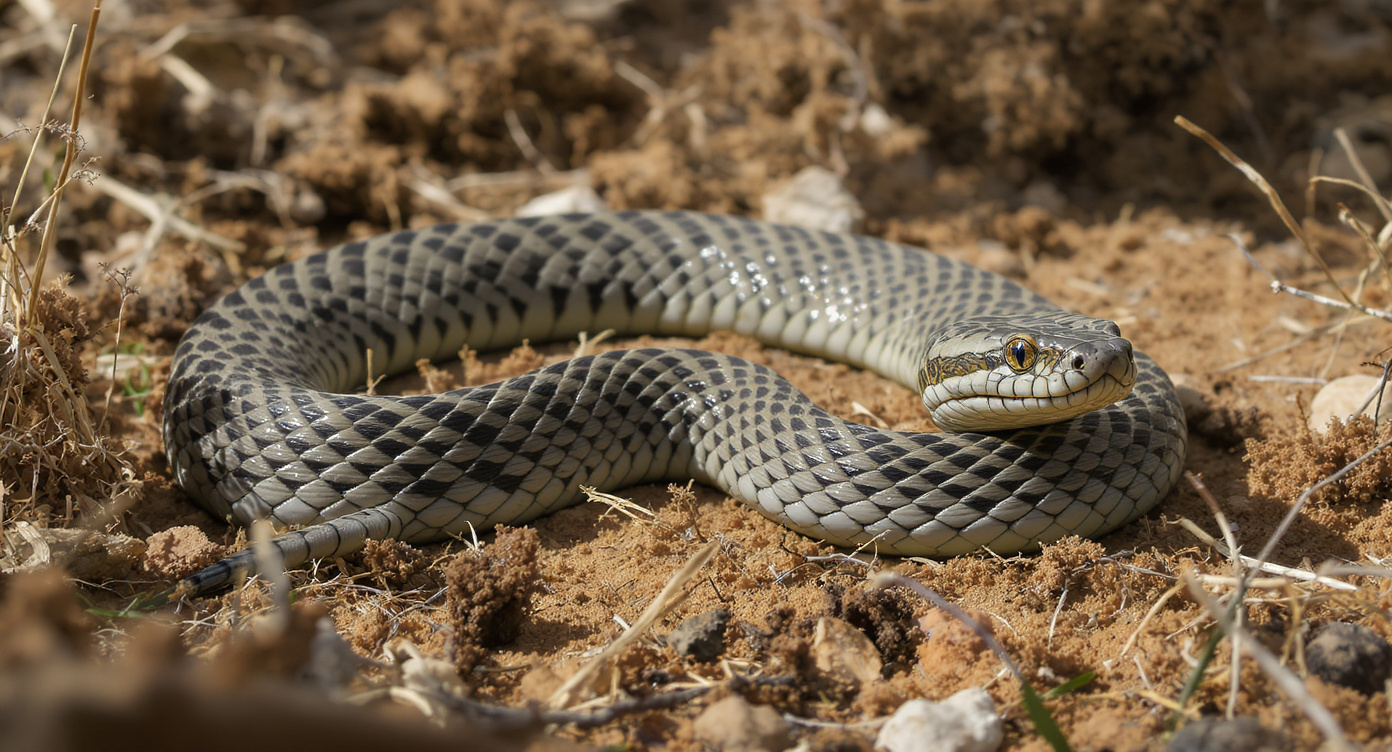
Biologists have developed a robotic model of a rattlesnake to study the function of its rattle. Experiments conducted at a zoo revealed that animals living in regions where rattlesnakes are found exhibit an innate fear when they hear the rattle sound.
The rattlesnake’s rattle is considered one of the most recognizable natural sound signals, but its purpose has long been debated. Various hypotheses have been proposed: the sound might serve as a lure for prey, a way to scare off enemies with a sudden noise, or as a warning of the snake’s venomous nature. Testing these theories in the wild has been challenging, as it is difficult to separate the visual perception of the snake from the sound it makes.
As part of the study, researchers created a 3D-printed model of a Texas rattlesnake (Crotalus atrox) in a threatening pose. To enhance realism, real keratin rattles collected from deceased snakes were used, and a vibration motor and remote-controlled board were placed inside the model, allowing the sound to be triggered as needed.
The experiment took place at the El Paso Zoo and involved 38 species of mammals and birds, divided into two groups: allopatric species (those that never encounter snakes in the wild, such as lions and meerkats) and sympatric species (those living on the same continent as snakes, like pumas and peccaries). All animals were born and raised in captivity and had no personal experience with snakes. The model was placed near their food, and their reactions were recorded on a scale ranging from calm approach to panicked flight.
The results showed that the combination of the snake’s visual appearance and the sudden rattle sound provoked a much stronger reaction in animals than the motionless model alone. The sound acted as a surprise factor even for African and Asian species. However, the most pronounced fear response was observed in sympatric animals from North and South America, which either immediately fled or froze in place.
The study concluded that the rattle originally evolved as a means to deter enemies with a sharp noise. Over time, for species that evolved alongside rattlesnakes, this sound became a clear warning signal, and the fear of it became genetically ingrained, allowing animals to avoid dangerous bites without having to learn from personal experience.