

Why the menstrual cycle is no longer connected to the moon
A new study has shown that synchronization of the menstrual cycle with the phases of the Moon existed in the past, but has almost disappeared since 2010, likely due to the influence of artificial lighting and modern technology.
Cursus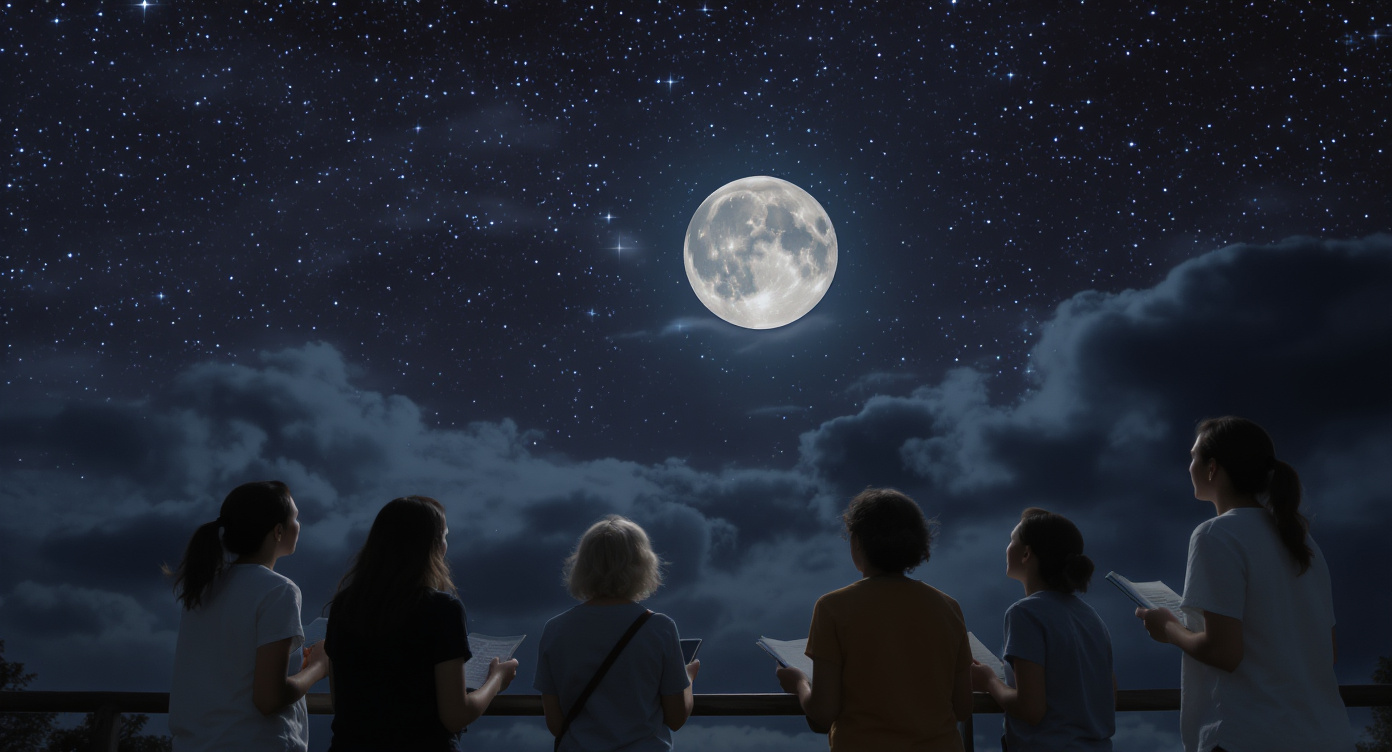
For many years, scientists were skeptical of women’s anecdotal observations that their menstrual cycles might be linked to the phases of the Moon. However, recent research has shown that such a connection did exist, although it was more pronounced in the past.
Study of Menstrual Cycles and Lunar Phases
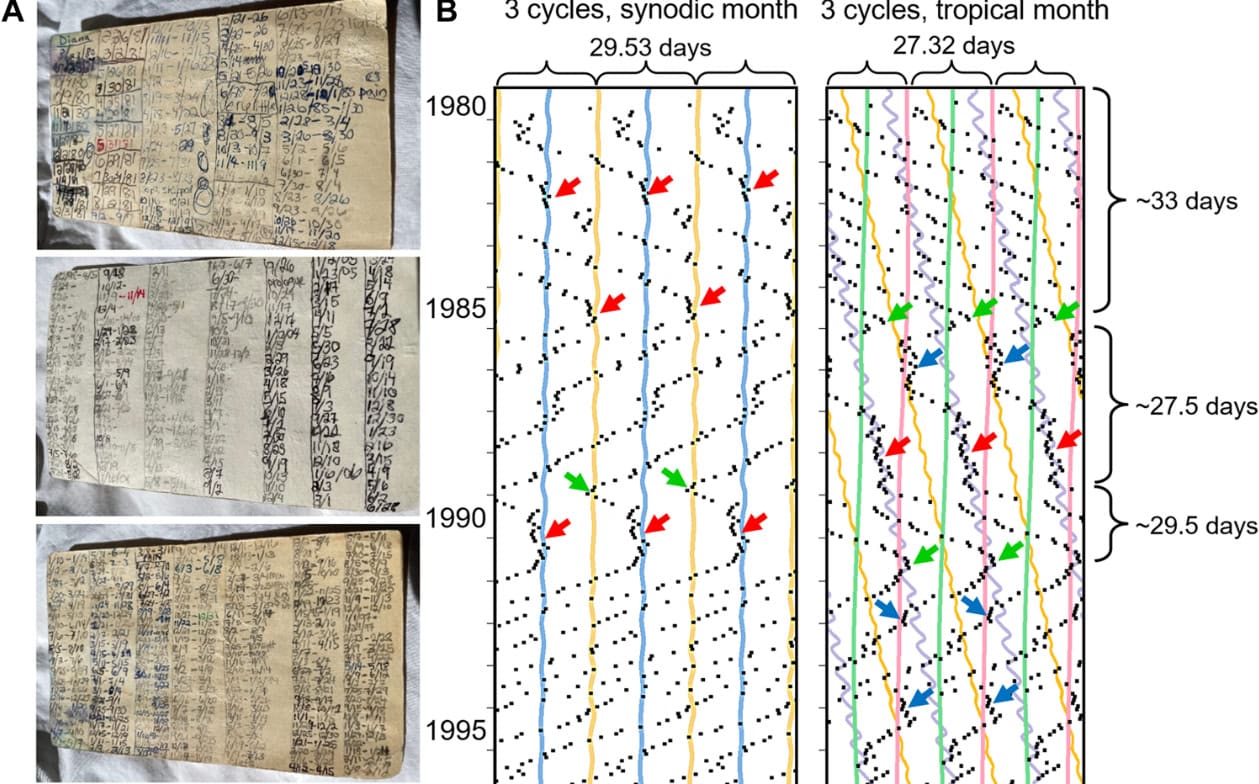
A team of German researchers analyzed data on the menstrual cycles of 176 women, collected over periods ranging from two to 37 years. On average, each participant was observed for six years, and the average age at the start of tracking was 25.9 years. None of the women used oral contraceptives, and most lived in Italy or Germany. The analysis included both paper calendars (for data from the last century) and modern smartphone apps. The results of the study were published in the journal Science Advances.
Connection with the Lunar Cycle in the Past
According to the data, before 2010, the start of women’s menstrual cycles often coincided with the new moon or full moon, and this synchronization was statistically significant and could not be explained by chance. However, this synchronization was periodically disrupted—once every few months or years—and after age 35, it became less pronounced, possibly due to the natural shortening of the menstrual cycle with age.
Changes After 2010
After 2010, this pattern virtually disappeared. The link between the menstrual cycle and lunar phases remained only in January, when the gravitational influence of the Moon and Sun on Earth reaches its peak (the Sun is closest to Earth at this time). This suggests that synchronization with the lunar cycle is influenced not only by moonlight—which modern women rarely experience—but also by gravitational forces.
The Impact of Modern Technology
Scientists associate the disappearance of this synchronization with the widespread use of smartphones. The bright light from screens in the evening disrupts natural sleep and wake cycles and, apparently, also affects the natural menstrual cycle. It is still unknown whether this has a negative impact on women’s health. Such changes likely do not affect those who lead a more natural lifestyle, such as among Haredim, Amish, or hunter-gatherers, but no studies have been conducted in these groups.
The Biological Meaning of the Lunar Connection
The biological significance of synchronizing the menstrual cycle with the phases of the Moon and, to a lesser extent, the Sun remains unclear. Humans rarely hunt at night, so the availability of food is unlikely to be linked to these cycles. While the gravitational pull of the Moon and Sun does affect tides, it probably does not significantly influence food availability for humans.