

Garmin Vivosmart 4 showed low measurement accuracy
The study found that the Garmin Vivosmart 4 measures heart rate accurately, but it falls significantly short compared to medical devices when analyzing heart rate variability, especially during physical activity.
Salus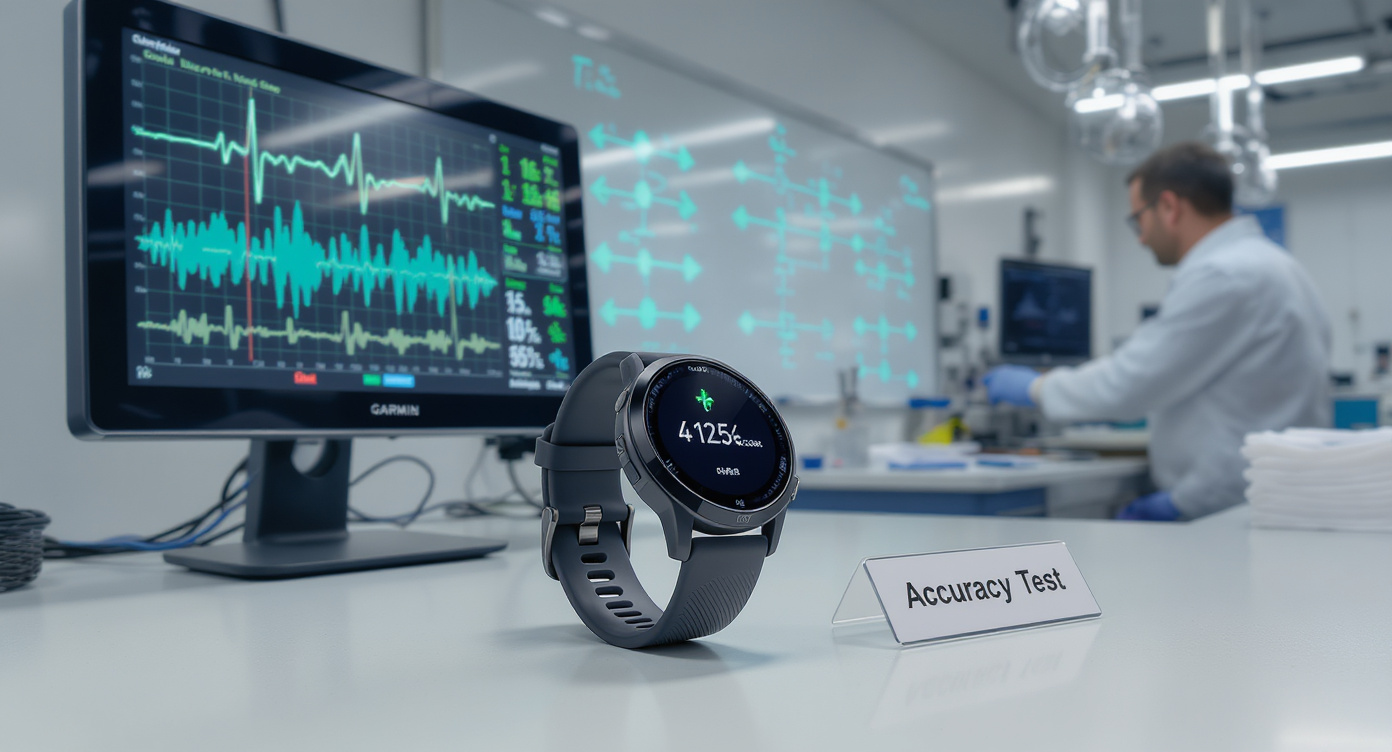
The study found that certain Garmin smartwatch models, particularly the Garmin Vivosmart 4, are not able to measure specific health indicators with high accuracy compared to professional medical equipment. In recent testing, this model delivered less than optimal results.
Features of Heart Rate Variability Measurement
Heart rate variability (HRV) reflects changes in the intervals between heartbeats and requires high-frequency recording of heart contractions. In Garmin devices, this metric is used, for example, to assess recovery status. However, HRV measured by the watch’s optical sensors does not always have medical significance, and the devices themselves are not certified as medical instruments.
Study Details
The study, currently at the preprint stage, examined the performance of the Garmin Vivosmart 4 in everyday conditions. Sixty-two participants wore both the Garmin Vivosmart 4 and an ECG device for over 900 hours. After processing the data, each participant had an average of 179 five-minute time windows available for analysis.
The results showed that current heart rate and resting heart rate are measured by the device with sufficient accuracy and are minimally affected by external factors such as movement. However, when it comes to measuring heart rate variability, the accuracy is significantly lower, and this metric is subject to a higher number of errors. Measurement errors can substantially impact the final values, sometimes more than the actual changes in variability itself. If the error level exceeds the reliability of the measurement, the resulting data becomes practically useless.
Recommendations and Limitations
Despite the identified shortcomings, researchers do not consider HRV measurements entirely useless. It is recommended to focus on data collected during periods of minimal or no physical activity, such as at night. There are also certain limitations: Garmin does not provide access to raw data, making it difficult for users and researchers to determine the conditions and values used for calculating averages. Additionally, it is not possible to independently clean the data or perform individual calibration.