

Less salt in food means healthier hearts
Reducing the salt content in staple foods can significantly lower the number of heart attacks and strokes, improving public health without requiring people to change their usual diets. Recent studies show that even small adjustments can save thousands of lives and reduce healthcare costs.
Salus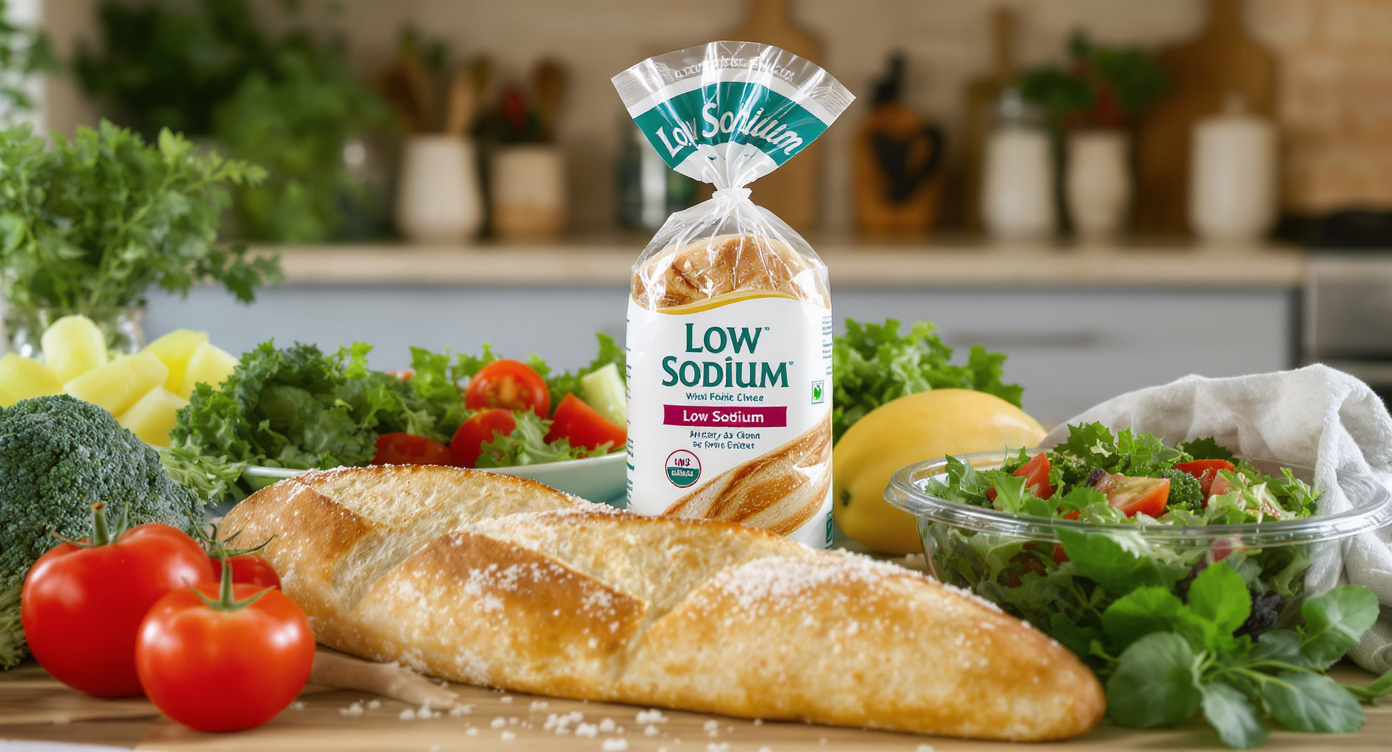
Reducing the salt content in popular foods such as bread and takeout meals could prevent tens of thousands of heart attacks and strokes. These changes are so subtle that most people won't even notice them.
The Impact of Sodium Reduction on Health
Lowering sodium levels in packaged and ready-to-eat foods can lead to significant improvements in cardiovascular health and prevent numerous heart attacks, strokes, and premature deaths in France and the UK. These conclusions come from two new studies published in the journal Hypertension by the American Heart Association.
France: Bread as a Key Source of Salt
In France, researchers found that reducing salt in baguettes and other baked goods could decrease daily sodium intake by about 0.35 grams per person. Over time, even such a modest change could prevent more than 1,000 deaths nationwide, highlighting how small adjustments in staple foods can have a major impact on public health.
United Kingdom: National Salt Reduction Targets
In the UK, a separate analysis showed that meeting national sodium reduction targets by 2024 could lower average daily salt intake by 17.5%. This could prevent around 100,000 cases of ischemic heart disease and about 25,000 strokes over 20 years by reducing blood pressure across the population.
Coordinated Efforts and Long-Term Benefits
Both studies emphasize the importance of coordinated action between governments, food manufacturers, and healthcare leaders. Strengthening and maintaining sodium reduction measures worldwide could lead to long-term improvements in heart health.
Why This Matters
Excessive sodium intake is a leading cause of hypertension, which increases the risk of serious conditions such as heart attack, stroke, chronic kidney disease, dementia, and other cardiovascular disorders. Since sodium excess is a widespread public health issue, many countries have already adopted policies to reduce salt in foods.
Sodium, found in salt, mainly enters the body through everyday foods. Reducing salt consumption at the population level is seen as an effective way to improve long-term health outcomes and lower healthcare costs.
Study Details
France: Reducing Salt in Bread
In 2019, France set a goal to cut salt consumption by 30%, leading to a voluntary agreement with bread producers to lower salt levels by 2025. Bread, especially baguettes, accounts for about 25% of the recommended daily salt intake in the French diet. By 2023, most bread already met the new sodium standards.
Researchers used national data and mathematical modeling to estimate how many cases of cardiovascular and cerebrovascular diseases, kidney disease, and dementia could be avoided if sodium targets were fully achieved.
Expected Outcomes:
- Annual mortality reduction by 0.18% (1,186 fewer deaths).
- Hospitalizations for ischemic heart disease reduced by 1.04%.
- Hospitalizations for hemorrhagic and ischemic stroke reduced by 1.05% and 0.88%, respectively.
- The greatest benefit was seen in men (0.87% fewer cases of cardiovascular disease and stroke compared to 0.63% in women), and among women aged 55–64.
United Kingdom: Reducing Salt in Packaged Foods and Takeout Meals
In the British study, scientists analyzed national survey data to assess how much salt comes from packaged foods and takeout meals. Salt limits were set for 84 categories of store-bought products and 24 categories of out-of-home meals (such as burgers, curries, pizza, etc.).
Expected Outcomes:
- Average daily salt intake reduced from 6.1 g to 4.9 g per person (a 17.5% decrease).
- Over 20 years, about 103,000 cases of ischemic heart disease and 25,000 strokes could be prevented.
- Lower blood pressure could add 243,000 quality-adjusted life years and save the National Health Service £1 billion.
Global Significance
The World Health Organization recommends that adults consume less than 2,000 mg of sodium per day, but average intake worldwide is much higher. The American Heart Association advises not exceeding 2,300 mg per day, and for most adults—especially those with high blood pressure—an ideal level is considered to be no more than 1,500 mg per day.
Daniel Jones, chair of the American Heart Association’s working group on new hypertension guidelines, noted that such national approaches to limiting salt in commercial foods are especially important in countries where a significant portion of food is consumed outside the home. Even small individual improvements in blood pressure, when applied across an entire population, can lead to substantial public health benefits.
Conclusion
Reducing salt in staple foods is an effective strategy to improve public health that does not require people to change their eating habits. Coordination between government, industry, and the medical community can significantly lower the risks of cardiovascular diseases and reduce healthcare costs.