

AI stethoscope doubles the accuracy of heart diagnostics
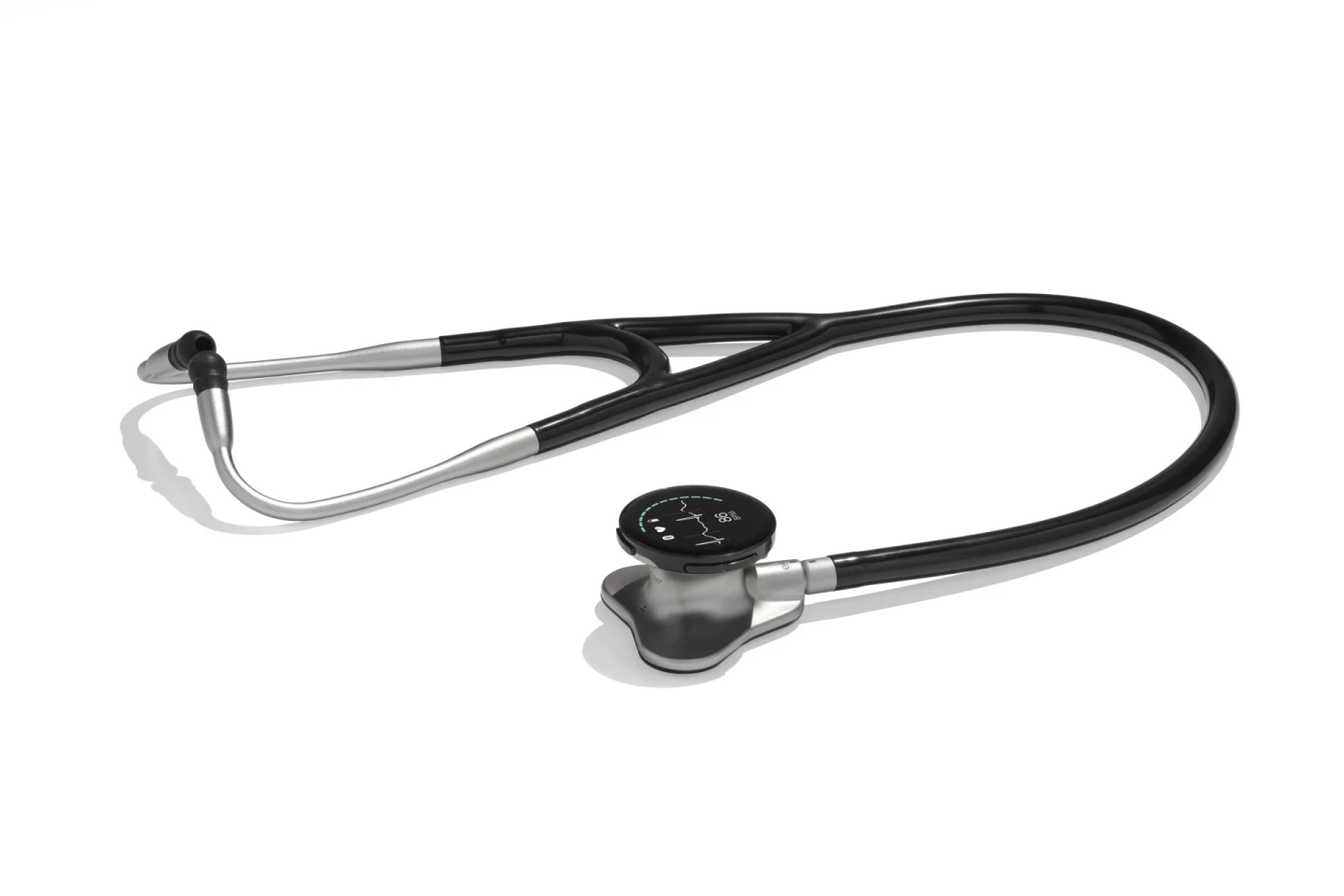
A new study has shown that an artificial intelligence-powered stethoscope can detect heart valve diseases with a sensitivity of over 92%, which is twice as high as that of a conventional device. The technology also helps increase patient engagement and requires further testing.
Salus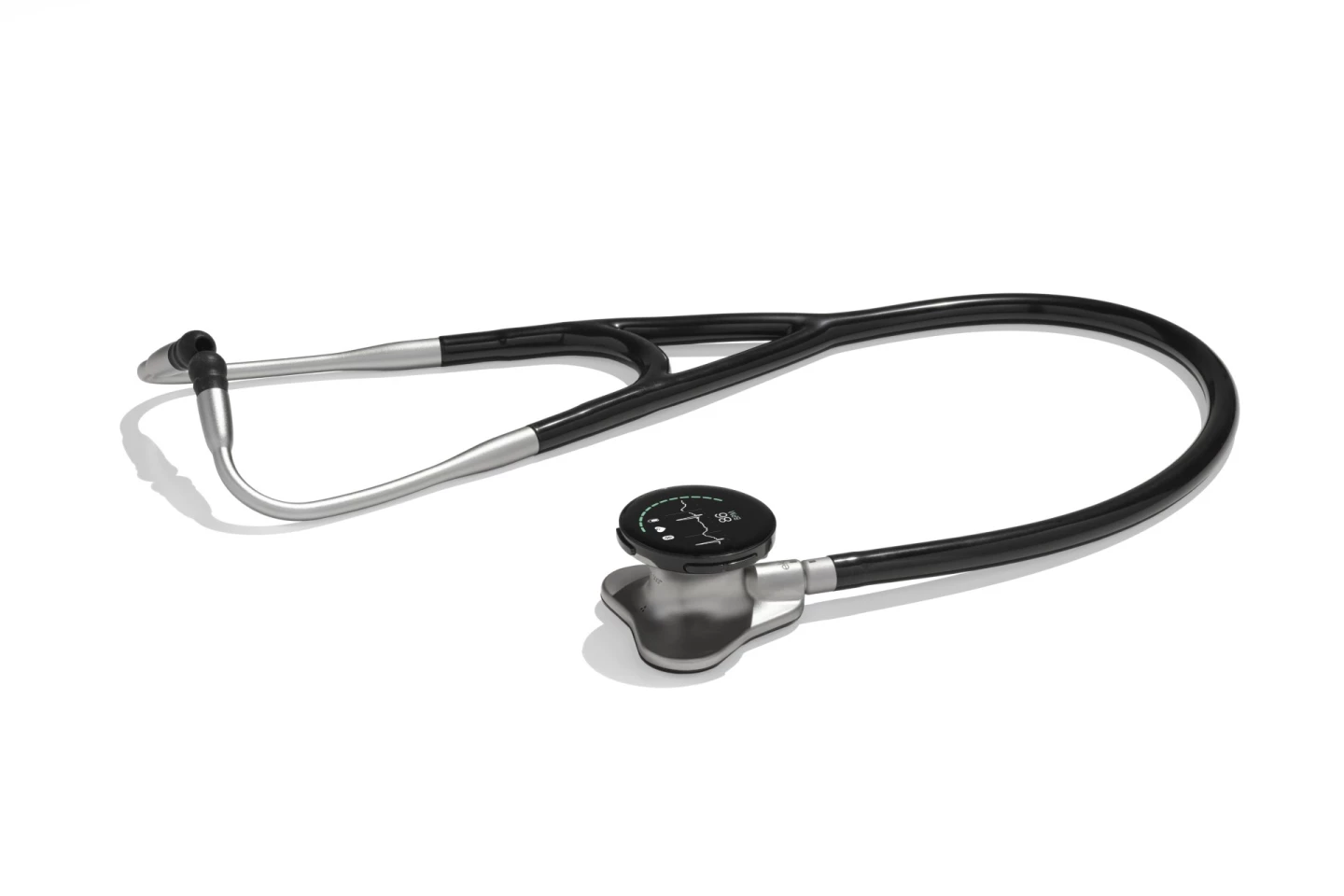
Although artificial intelligence (AI) faces certain challenges, such as potential negative impacts on cognitive abilities, its effectiveness in medical diagnostics is unquestionable. Modern AI technologies have already proven valuable in analyzing the condition of the body and predicting the risk of various diseases. Examples of successful applications include analyzing chest X-rays, diagnosing eye diseases, interpreting MRI scans to detect fat around the heart, and even examining the tongue to identify asthma or anemia. According to a new study published in the journal Digital Health, AI can significantly improve the accuracy of a standard stethoscope.
How the Study Was Conducted
The study involved scientists from various American institutions who integrated AI into a stethoscope to assess whether this would enhance its diagnostic value. To test the technology, a group of 357 patients over the age of 50 with risk factors for cardiovascular disease—such as hypertension, diabetes, a body mass index over 30, or a history of cardiac events—was assembled.
Initially, each participant underwent a standard cardiac examination with a conventional stethoscope performed by their physician. Then, a digital “smart” stethoscope was used, which recorded heart sounds for subsequent analysis by the AI system.
To confirm the presence of heart disease, all patients also underwent echocardiography.
Results and Advantages of the AI Stethoscope
By comparing the results of stethoscope examinations with echocardiography data, the researchers found that the AI-assisted stethoscope detected audible signs of moderate to severe heart valve disease with a sensitivity of 92.3%. In comparison, the conventional stethoscope showed a sensitivity of only 46.2%.
Heart valve diseases, in which one or more valves do not function properly, force the heart to work harder. Over time, this can lead to chest pain, fatigue, shortness of breath, and in severe cases, heart failure, arrhythmias, or even death.
Rosalie MacDonagh, the study’s senior author from Eko Health, the company that developed the stethoscope, notes:
“Unfortunately, heart valve diseases are very common among older adults, but they often go unnoticed until pronounced symptoms appear. This means patients may face complications and worsening health that could have been avoided with earlier diagnosis. We have shown that an AI-assisted stethoscope is much better at detecting moderate and severe valve diseases than a traditional stethoscope in real clinical settings.”
Limitations and Additional Observations
It is important to note that the study only evaluated those heart valve diseases that produce audible sounds. In many cases, pathology may not manifest with any sounds at all, and in such instances, stethoscopes of any type will not help—more detailed diagnostic methods are required.
Nevertheless, the researchers discovered an unexpected positive effect: patients were able to listen to recordings of their own heart during the AI-assisted examination.
“Another benefit we noticed was that patients examined with the digital AI stethoscope seemed more engaged during their appointments. We believe this is because they could see and hear what the doctor was responding to, which may increase trust and motivation for further treatment,” adds MacDonagh.
Outlook and Future Research
The authors note that while the AI stethoscope was better at detecting heart valve diseases, there was a slight increase in the number of false positives. In their view, this drawback is offset by improved detection rates. The team emphasizes the need for further studies to test the technology in a broader population and in different clinical settings.