

Genetics influence the risk of obesity from soybean oil
Recent studies have shown that the consumption of soybean oil may contribute to the development of obesity in mice, with genetic factors playing a key role in this process. These findings highlight the importance of a personalized approach to nutrition and the need for further research into the effects of common vegetable oils on health.
Salus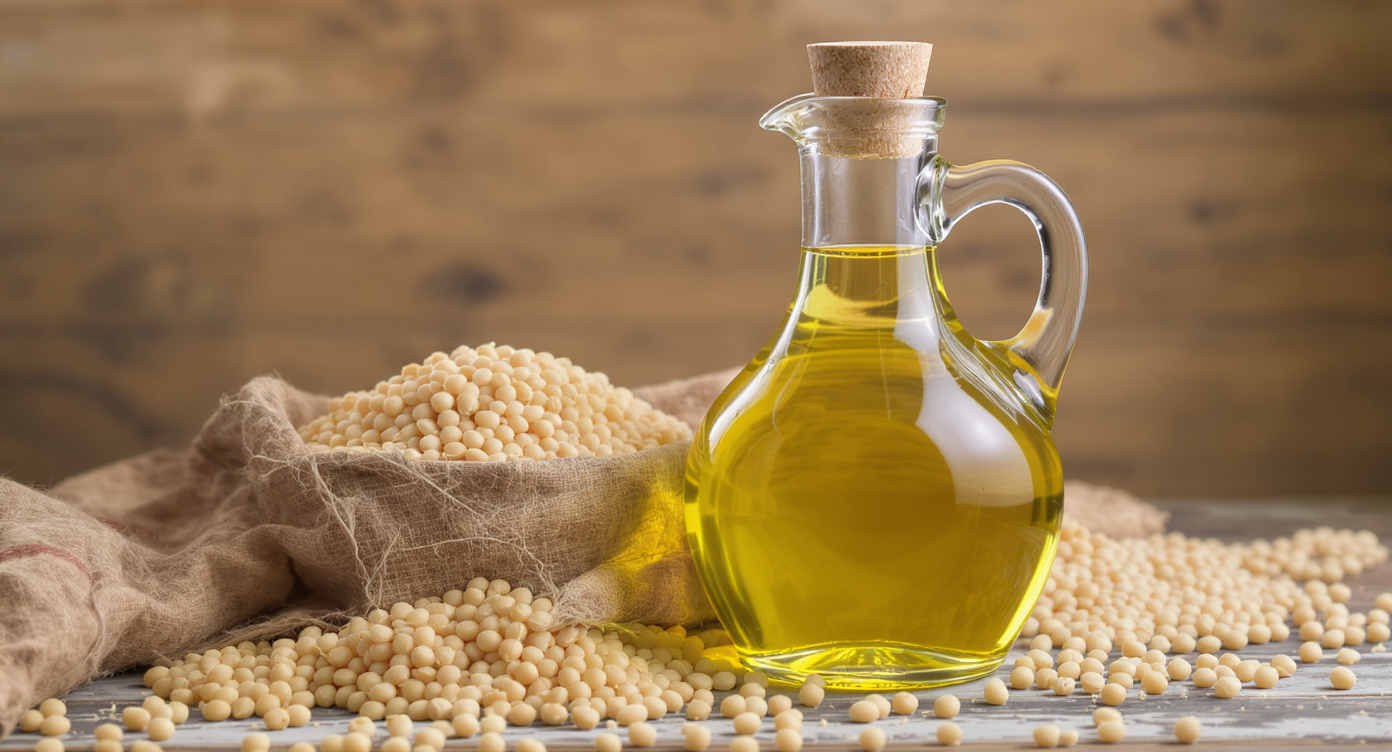
Soybean Oil and Its Impact on Obesity: New Scientific Insights
The Effects of Soybean Oil on Metabolism and Weight Gain
Recent studies have shown that consuming soybean oil may contribute to the development of obesity in mice. This effect is linked to the formation of oxylipins—compounds that alter liver metabolism and fat processing. Interestingly, only mice with modified enzymes avoided gaining weight, highlighting the significant role of genetics and the specifics of modern diets.
Soybean Oil in the Diet and Its Prevalence
Soybean oil is the most widely used cooking oil in the United States and is found in many processed foods. New research sheds light on how this common ingredient may promote obesity.
Experimental Data: The Role of Genetics
In an experiment at the University of California, Riverside, most mice fed a high-fat diet rich in soybean oil gained significant weight. However, genetically modified mice, despite eating the same diet, did not gain weight. These mice had an altered version of a liver protein that regulates hundreds of genes involved in fat metabolism. This protein also affects the processing of linoleic acid, one of the main components of soybean oil. These findings may explain why some people are more prone to weight gain on diets high in soybean oil.
Genetic Factors and Individual Susceptibility
Humans have both versions of the liver protein HNF4α, but the alternative form is usually activated only under certain conditions, such as chronic illness or metabolic stress. Individual differences in age, sex, genetics, and medication use may explain why people respond differently to the metabolic effects of soybean oil.
Mechanisms of Action: Oxylipins and Their Role
In the body, linoleic acid is broken down into oxylipins—compounds associated with inflammation and fat accumulation. Excessive intake of linoleic acid leads to higher levels of oxylipins. Genetically modified mice produced significantly fewer oxylipins and had healthier liver tissue, even on the same diet. They also showed better mitochondrial function, which may help resist weight gain.
The Need for Additional Factors
Researchers found that only certain oxylipins derived from linoleic and alpha-linolenic acids are necessary for weight gain in normal mice. However, transgenic mice on a low-fat diet also had elevated oxylipin levels but did not gain weight. This suggests that oxylipins alone are not enough to cause obesity—other metabolic conditions are also required.
Genetics, Enzymes, and Individual Differences
Further analysis showed that the modified mice had significantly lower levels of two families of enzymes that convert linoleic acid into oxylipins. These enzymes function similarly in all mammals, including humans, and their activity depends on genetics, diet, and other biological factors.
Local Effects of Oxylipins
Scientists noted that only oxylipins present in liver tissue, not those circulating in the blood, correlated with body weight. This indicates that standard blood tests may not reflect early metabolic changes caused by diet.
The Rise of Soybean Oil Consumption and Potential Risks
Over the past century, soybean oil consumption in the U.S. has surged—from about 2% to nearly 10% of total caloric intake. While soy is a source of plant protein and the oil contains no cholesterol, excessive intake of linoleic acid, especially from ultra-processed foods, may contribute to chronic metabolic problems.
Additional Observations and Future Perspectives
The research team also found that mice consuming soybean oil had higher cholesterol levels, despite the oil itself containing none. Scientists are now studying exactly how oxylipins lead to weight gain and whether similar reactions occur with other oils high in linoleic acid, such as corn, sunflower, and safflower oils.
Conclusions and Health Implications
Soybean oil itself is not inherently harmful, but its quantity in the diet can trigger processes for which the human body is not evolutionarily adapted. Although human trials are not yet planned, researchers hope their work will inform future studies and influence nutrition policy. They express hope that awareness of the link between excessive soybean oil consumption and negative health outcomes will not take as long to gain acceptance as it did for the dangers of tobacco.