Scientists have discovered how sperm cells rapidly boost their energy potential just before fertilization, paving the way for new treatments for infertility and non-hormonal male contraception.
Scientists have discovered compounds in roasted coffee beans that slow the absorption of sugar into the bloodstream and are more effective than some diabetes medications. This finding could lead to the development of new functional foods and supplements.
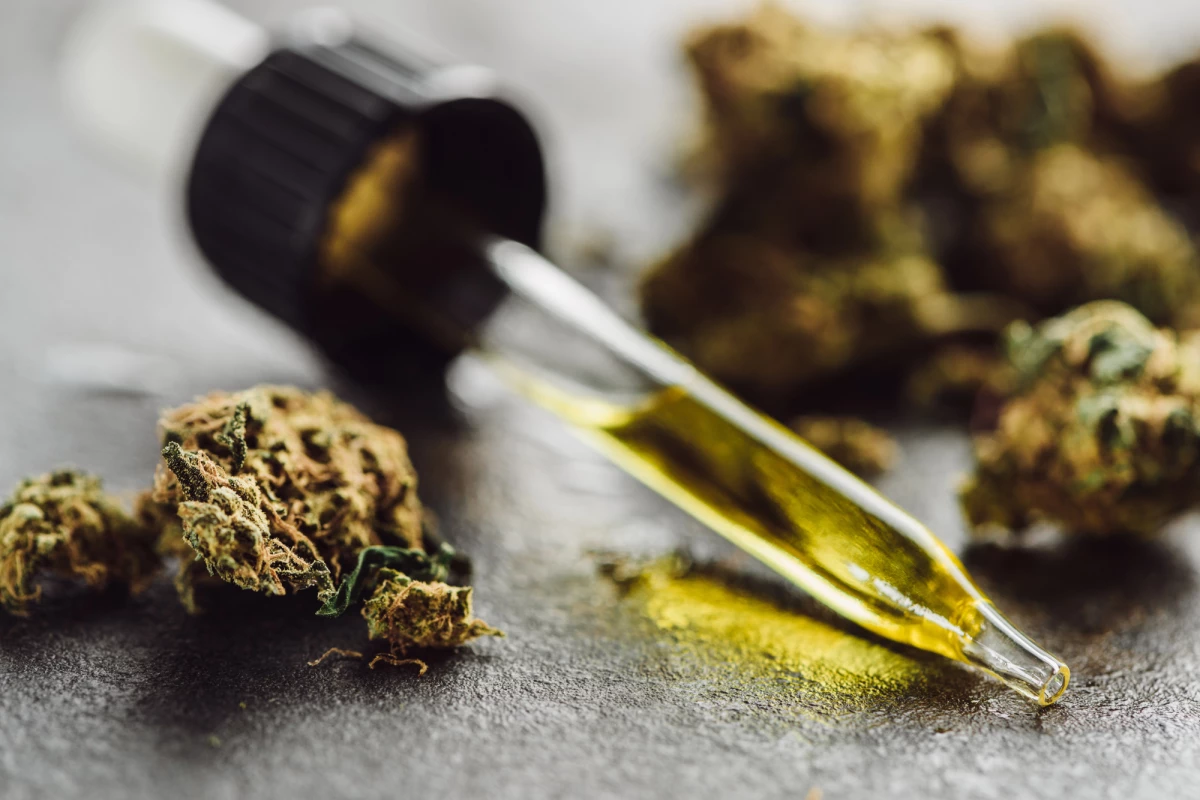
Researchers have reconstructed ancient cannabis enzymes, shedding light on the evolution of cannabinoids such as THC, CBD, and CBC. These resilient ancestral enzymes may pave the way for innovative medical uses and more efficient cannabinoid production.
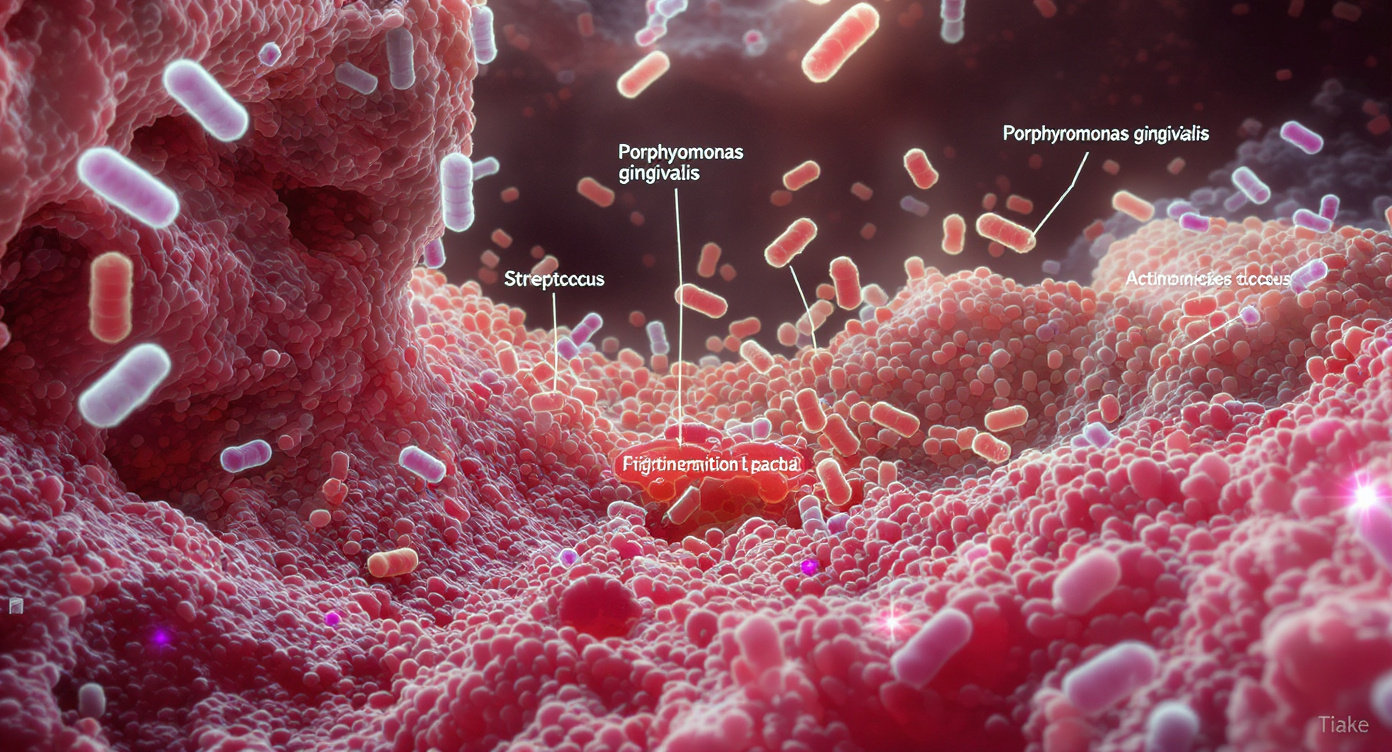
A new study has shown that interfering with the chemical communication of bacteria in dental plaque may help maintain a healthy oral microbiome and prevent disease. This approach opens up new possibilities for developing therapies aimed at balancing microbial communities.
Recent studies have shown that the consumption of soybean oil may contribute to the development of obesity in mice, with genetic factors playing a key role in this process. These findings highlight the importance of a personalized approach to nutrition and the need for further research into the effects of common vegetable oils on health.
Scientists have discovered that different species of mushrooms have independently learned to produce psilocybin through various biochemical pathways. This finding could simplify the biotechnological production of the substance for medical use.


 Cursus