

Why mosquitoes bite people differently
A new study has shown that different species of mosquitoes choose their victims based on unique scents and the skin microbiome, and that there are no universally attractive people for all insects. These findings could help develop more effective protective measures.
Cursus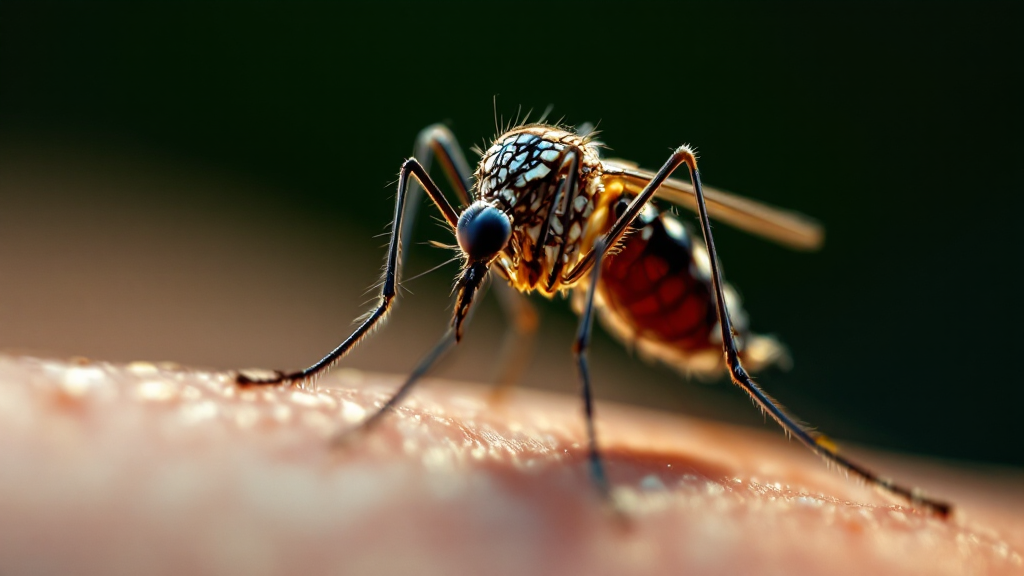
Study of Mosquito Preference Differences
Reasons for Variation in Bite Frequency
Research has shown that mosquitoes bite people with varying frequency depending on the species of insect. There are no universally attractive people for all mosquito species. Each species responds to unique combinations of scents and microbes present on human skin.
The Influence of Scent and Skin Microbiome
Many people notice that mosquitoes bite them more or less often than others. Previous studies have established that these differences are linked to the bacteria on the skin and an individual's unique body odor. Skin microbes break down sweat, turning it into volatile organic compounds that mosquitoes use to locate their hosts.
Study Features
The new study examined three mosquito species capable of transmitting dangerous diseases: yellow fever mosquitoes (Aedes aegypti), Asian tiger mosquitoes (Aedes albopictus), and Culex quinquefasciatus, which carry the West Nile virus. A total of 119 volunteers participated in the experiment. For two mosquito species, participants placed their hand in a special chamber, while for the third species, scent samples were collected using nylon sleeves worn on the arms.
The collected scents were analyzed using gas chromatography, and the skin’s microbial composition was determined through DNA analysis.
Experimental Results
The analysis revealed that no individual was equally attractive to all three mosquito species. No participant was among the top 10% most attractive for all species at the same time. The Aedes aegypti species showed a slight preference for biting men, while the other species did not differentiate by gender.
Two mosquito species were less likely to be attracted to people whose skin contained high levels of cyclic alcohols and monoterpenes—compounds with plant-like aromas commonly found in essential oils. In contrast, the third species, Aedes albopictus, preferred specific human scents—ketones.
The Role of the Microbiome
Bacterial analysis identified 246 types of skin microbes among the participants. People who were bitten less often by yellow fever mosquitoes had higher levels of the bacterium Pseudomonas aeruginosa on their skin. This bacterium was absent in those most attractive to mosquitoes.
Conclusions and Perspectives
The experiment confirmed that each mosquito species uses its own set of chemical markers to find hosts. What repels one species may attract another. These findings could be used to develop new protective measures against various insect species, taking into account the human skin microbiome.