A study has shown that powdered matcha green tea reduces the frequency of sneezing in allergic rhinitis by acting as a neuromodulator and blocking the nerve signals that trigger this reflex. However, matcha does not eliminate the underlying cause of the allergy and does not affect immunity or gut microbiota.
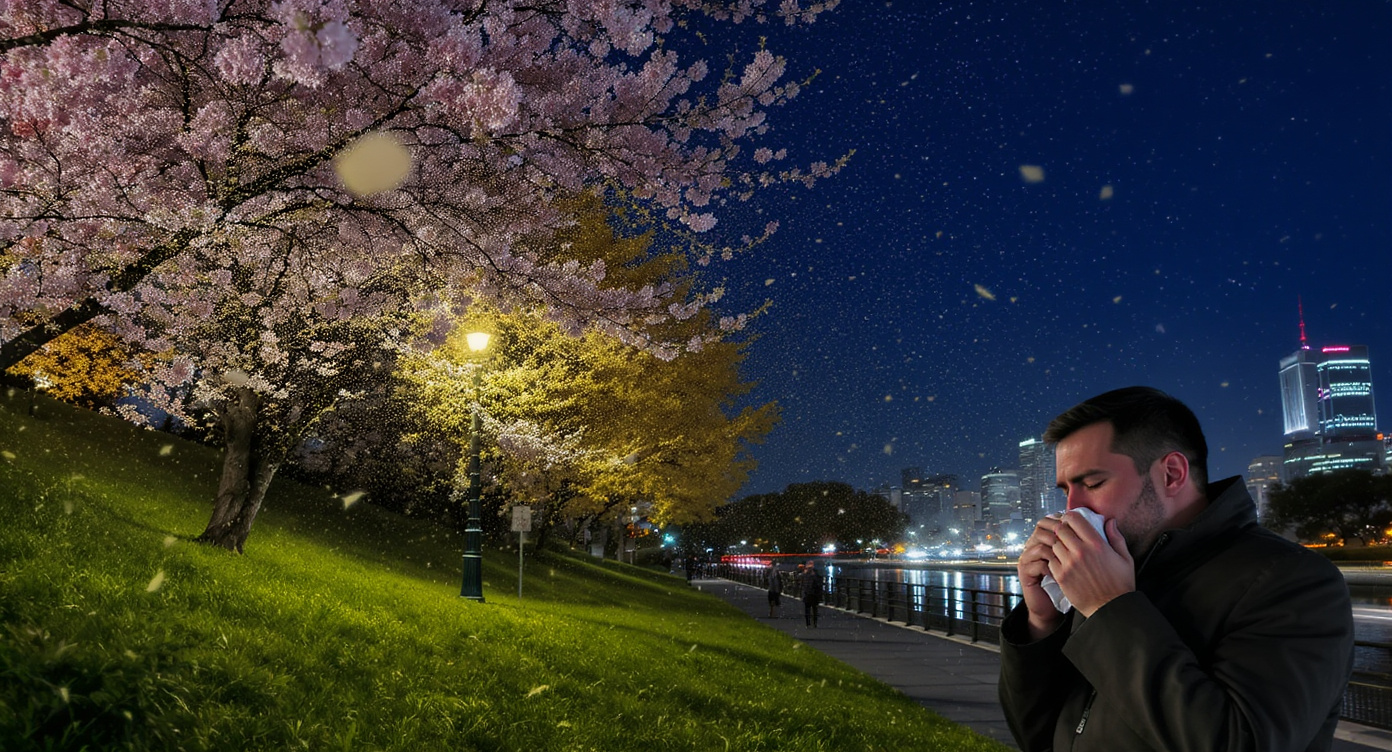
A new study has found that nighttime lighting in cities disrupts the biological rhythms of plants, extending the pollen season and increasing the number of days with dangerous concentrations of allergens in the air. The authors recommend taking light pollution into account in urban planning and in forecasts for people with allergies.
American researchers have officially confirmed, for the first time, a fatal case caused by meat allergy following a Lone Star tick bite. Doctors urge people to be vigilant for similar symptoms, especially in regions with a high tick population.
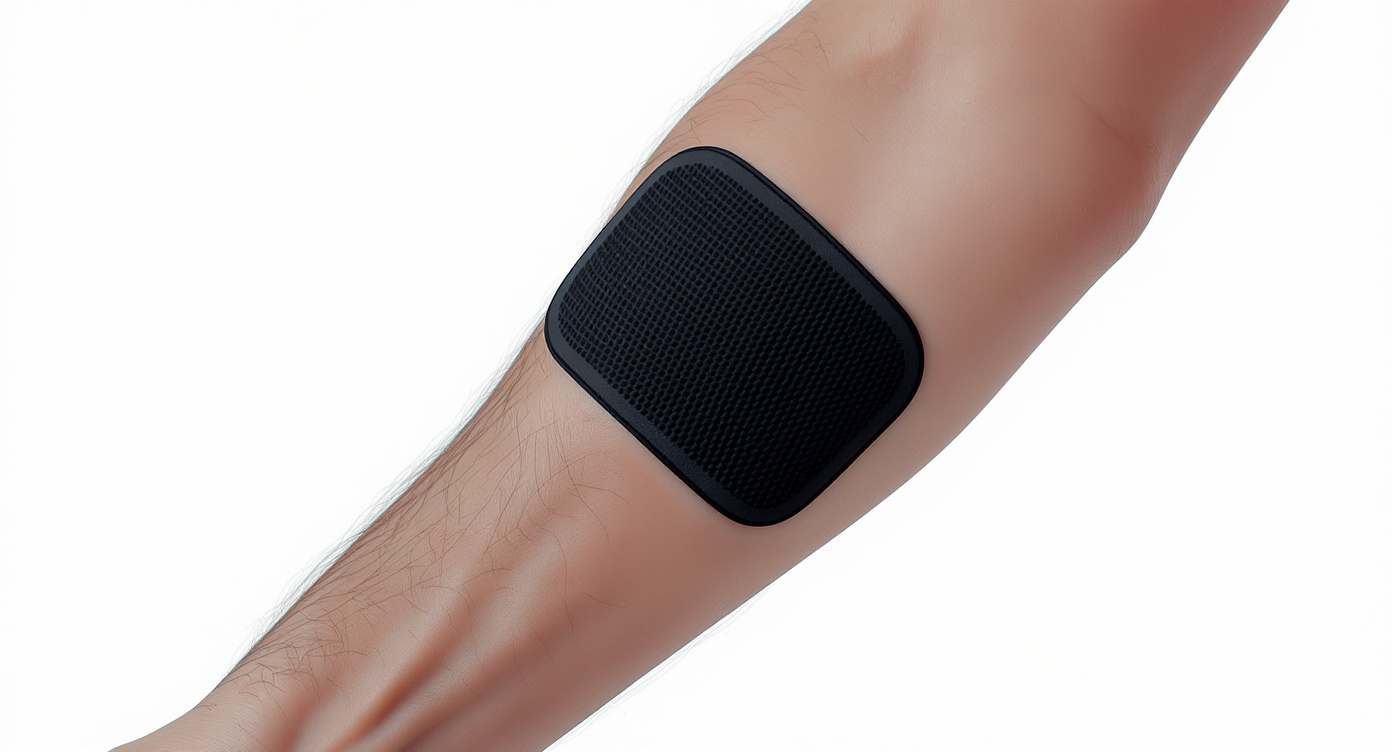
Scientists have developed an innovative patch that can painlessly and continuously measure IgE antibody levels through the skin, helping to detect the risk of anaphylaxis in advance. In the future, the device will be able to transmit data to the user's smartphone for convenient health monitoring.
A new study has shown that RSV infection in early infancy significantly increases the risk of developing asthma, especially in children with a family history of the condition. Preventing RSV can greatly reduce future asthma rates and improve children's long-term health.


 Salus
Salus