

A sensor patch will warn you at the onset of anaphylaxis
Scientists have developed an innovative patch that can painlessly and continuously measure IgE antibody levels through the skin, helping to detect the risk of anaphylaxis in advance. In the future, the device will be able to transmit data to the user's smartphone for convenient health monitoring.
Salus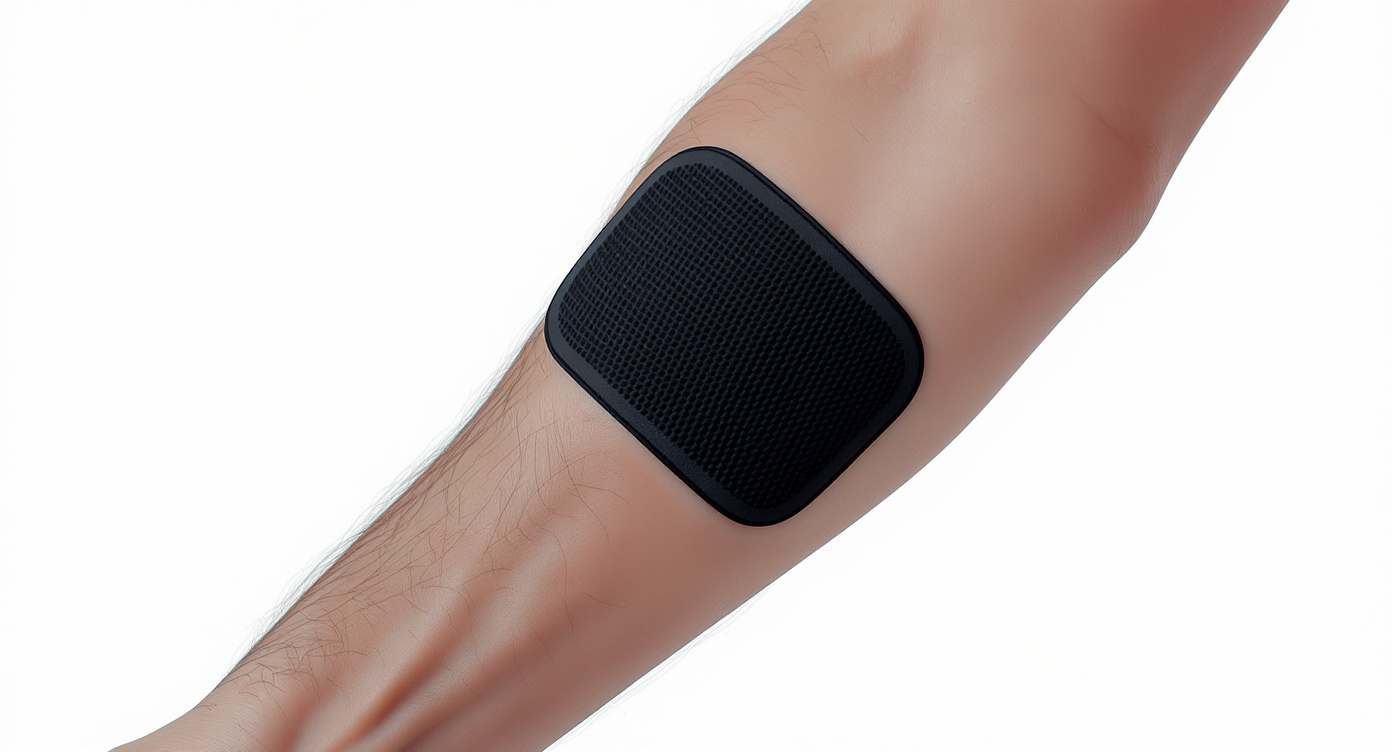
Anaphylaxis is an extremely dangerous allergic reaction that can be fatal if not treated promptly. To enable early detection and prevention of anaphylaxis, scientists are developing an innovative skin patch that can alert users to the onset of a severe reaction while there is still time to intervene.
How Anaphylaxis Manifests
Typically, anaphylaxis develops within two hours after contact with certain proteins found in foods such as eggs, nuts, milk, and seafood. The main symptoms include severe swelling and narrowing of the airways. While most people tolerate these foods without issue, individuals with allergies produce antibodies—specifically immunoglobulin E (IgE)—in response. These antibodies trigger the release of histamine, tryptase, and other biomolecules, leading to a severe allergic reaction.
Diagnosis and Its Challenges
Elevated IgE levels in the blood can be detected through laboratory tests soon after exposure to an allergen, allowing for early warning of a potential anaphylactic attack. However, this process requires an invasive and often uncomfortable blood draw.
The Innovative AllergE Patch
The new AllergE patch, developed by researchers at King Abdullah University of Science and Technology (KAUST) in Saudi Arabia, offers a painless and continuous way to measure IgE levels through the skin, especially during high-risk periods such as during and after meals.
The patch is equipped with an array of tiny, porous, hollow microneedles on its inner side. Each needle is shorter than a millimeter and as thin as a human hair. When applied to the skin, the needles penetrate only the outermost layer, avoiding nerve endings but reaching the interstitial fluid, where IgE levels reflect those in the blood.
How the Device Works
When IgE antibodies in the fluid enter the microneedles, they interact with DNA aptamer chains inside. Upon contact with the antibodies, the aptamers change shape, generating an electrochemical signal. Built-in electrodes and electronic components in the patch convert this signal into a quantitative measurement of IgE levels.
In laboratory tests on artificial and excised human skin, the device was able to detect IgE concentrations as low as 30 picograms per milliliter, which, according to the developers, is hundreds of times more sensitive than most existing methods.
Future Prospects
In the future, the patch is expected to transmit its readings wirelessly to a smartphone app, making health monitoring even more convenient and effective.