

The oldest evidence of sewing sheds light on life during the Ice Age
Artifacts from Oregon caves, including the oldest known sample of stitched elk hide, reveal how people 12,000 years ago adapted to the harsh climate of the Ice Age. These discoveries demonstrate the development of sewing techniques and clothing production that were essential for survival during periods of significant cooling.
Cursus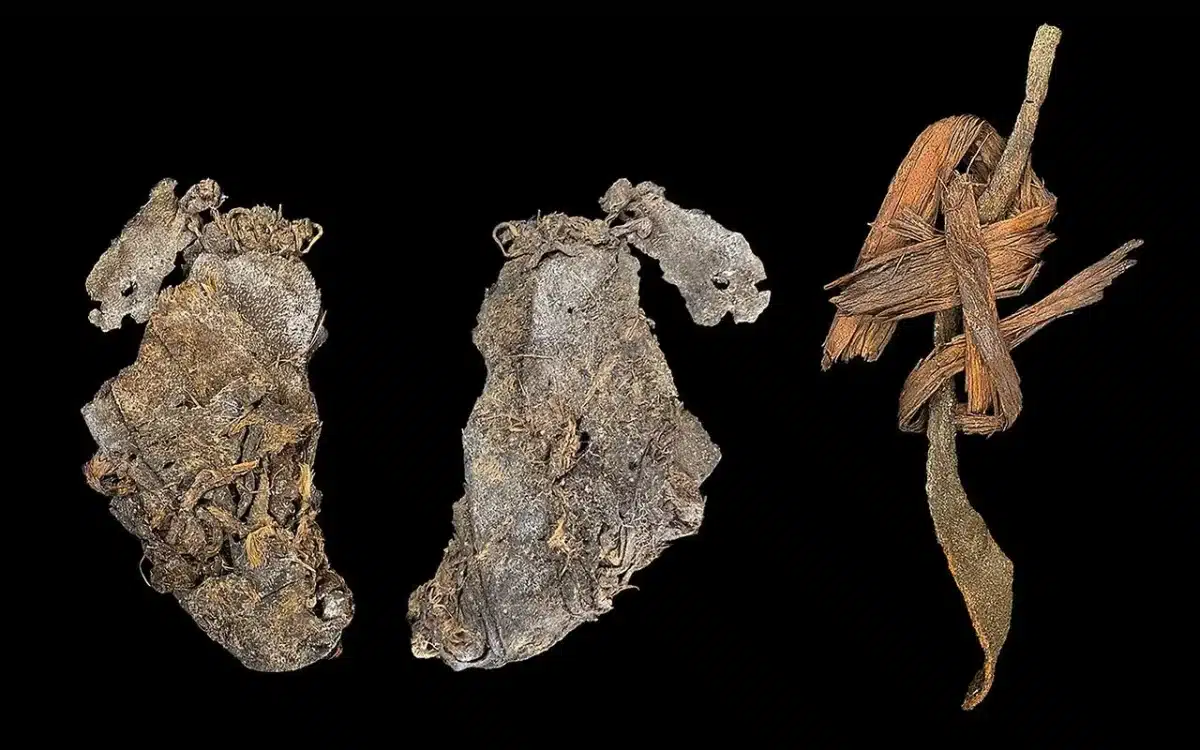
Discoveries made in caves in the state of Oregon shed light on the lifestyle and clothing methods of people who lived around 12,000 years ago during the harsh conditions of the Ice Age. Among the artifacts found, scientists were particularly intrigued by a piece of elk hide with a cord sewn onto it, made from plant fibers and animal hair. This is considered the oldest known example of sewing technology.
History of the Discovery
In 1958, amateur archaeologist John Coultz conducted excavations in Cougar Mountain Cave in central Oregon and preserved many of the items he found there. After his death in the 1980s, these artifacts were transferred to the Favell Museum in Klamath Falls, where they are still kept today.
New Research
Nearly seventy years later, a team of American anthropologists conducted a detailed study of Coultz’s collection, as well as items found in the nearby Paisley Caves. Among these were ancient cords, needles, and pieces of hide. The results of the research were published in the journal Science Advances.
The Cougar Mountain and Paisley caves are archaeological sites from the late Pleistocene. Most of the finds date to the Younger Dryas period—about 12,000 years ago—when a sharp cooling in the Northern Hemisphere led to the mass extinction of large animals. To this day, little is known about how people adapted to climate change, as organic materials rarely survive for so long. However, the dry climate of central Oregon allowed artifacts left in the caves to be preserved for millennia.
Features of the Finds
The cave collections include a variety of items: fibrous cords, strips of hide, bone needles with eyes, and, most notably, a piece of elk hide recognized as the oldest known example of sewing.
Researchers note that while it cannot be said with certainty that this fragment was part of clothing, it is a processed and cleaned hide with a cord sewn along the edge, made from a blend of monocot plant fibers and animal hair. The cord runs along the edge of a large section of hide, then passes into a separate small fragment, where it is tied in a knot to prevent it from being pulled out. According to scientists, this object could have been the edge of a fitted garment, a moccasin, a bag, a container, or even part of a portable shelter.
Dating and Significance
Radiocarbon analysis showed that this piece of hide is approximately 12,600–12,050 years old. According to the researchers, the find demonstrates how people began to adapt to the onset of colder climates. They needed warmer, denser, and more fitted clothing, which they made using bone needles and cords woven from plant fibers. This is also indirectly supported by the large number of bone needles found at late Pleistocene sites, a number that decreased as the climate warmed.