

An unusual burial reveals an ancient ritual in Spain
In central Spain, archaeologists have discovered an unusual burial of two men showing signs of violent death and adorned with deer antlers, dating back to the Iron Age. This finding points to a rare ritual associated with beliefs about a "bad death" and the protection of the community from dangers believed to come from the deceased.
Cursus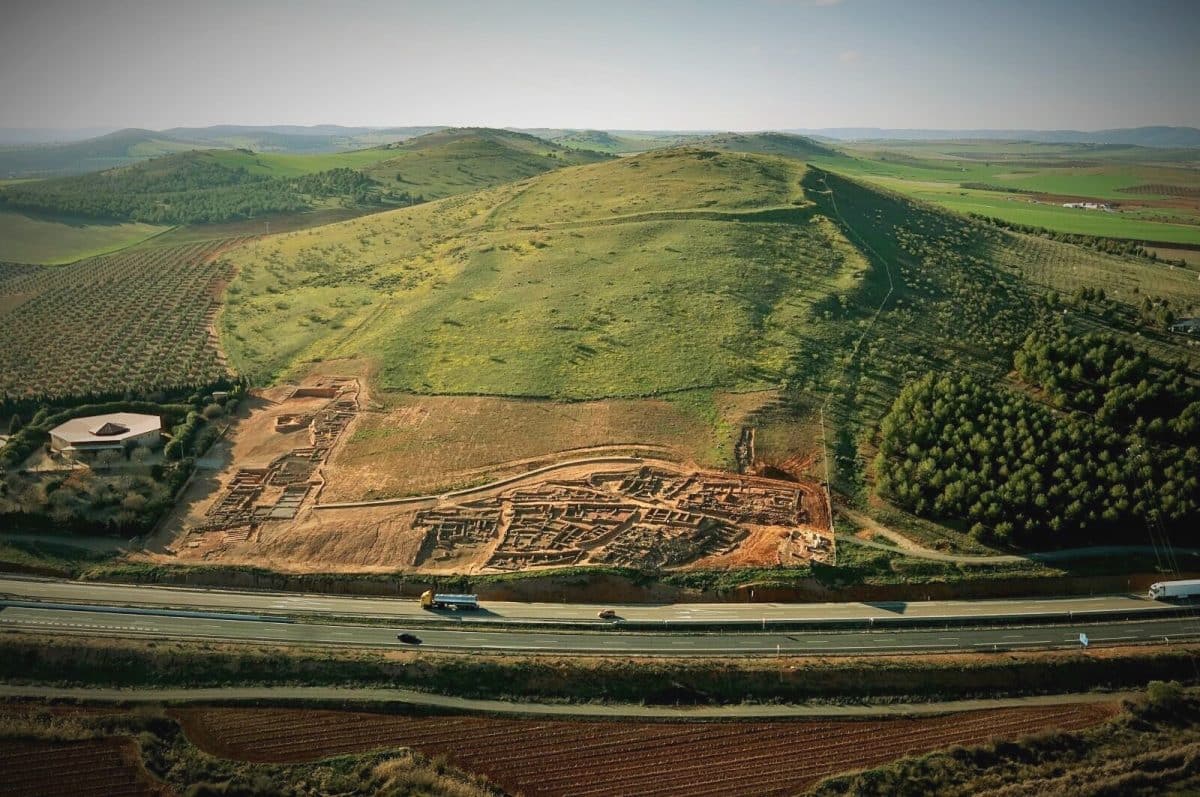
An unusual burial dating back approximately 2,200 years has been discovered in central Spain. Outside the defensive wall of an ancient settlement, archaeologists found the remains of two adult men who died violent deaths, buried together with large antlers of a noble deer. Archaeological evidence suggests a special ritual took place, which, according to experts, was intended to protect the living from the dangers posed by the dead whose deaths were considered "improper."
Beliefs About "Bad Death" in Ancient Societies
In archaeology and anthropology, the term "bad death" refers to the beliefs of ancient communities that not all deceased individuals were equal—some could pose a threat to the living. The circumstances of death were especially significant: murder, suicide, death in battle, dying under unusual conditions, or an untimely demise were all considered "improper" and deviated from accepted social norms.
Features of Burial Rituals
Deaths classified as "bad" were often accompanied by non-standard burial practices. Such rituals were meant to symbolically punish the dangerous deceased, exclude them from society, deny them a normal afterlife, and protect the community from potential harm. To achieve this, the dead might be buried in unusual locations, placed in atypical positions, interred with broken objects, or even subjected to bodily mutilation.
The Discovery at Cerro de las Cabezas
In 2010, during excavations of an Iron Age fortress at Cerro de las Cabezas, archaeologists found the remains of two adult men outside the defensive wall, accompanied by six large deer antlers. The burial dates to the late 3rd to early 2nd century BCE.
Analysis of the Remains
The remains were not found in a cemetery but rather beyond the southeastern wall of the fortress, with no signs of a grave, coffin, or traditional burial rites. The bodies appear to have been simply thrown onto the ground and quickly covered with earth.
One of the men, aged 35–45, had evidence of a healed skull injury sustained several weeks before death. He died from a severe thigh wound inflicted by a sharp weapon, leading to massive blood loss. The second man, aged 40–59, had been decapitated. His skull, lower jaw, and cervical vertebrae were found about 40 centimeters from the body but buried together with it. Among Iberian tribes, the severed heads of enemies were typically displayed on walls or gates of settlements.
Ritual Significance of Deer Antlers
In Iberian society, deer antlers held not only practical but also important ritual significance. They were often buried under the walls of buildings and defensive structures to protect the community and its boundaries.
Context and Uniqueness of the Find
Iberian tribes of southern and eastern Spain usually cremated their dead, placing the ashes in urns and burying them in cemeteries along with items reflecting social status. Complete skeletons of adults from this period are extremely rare.
The unique combination of articulated adult male bodies, signs of violence and decapitation, the presence of deer antlers, and burial by the wall aligns with the concept of a ritual associated with "bad death." This is the first documented case of such a ritual on the Iberian Peninsula.